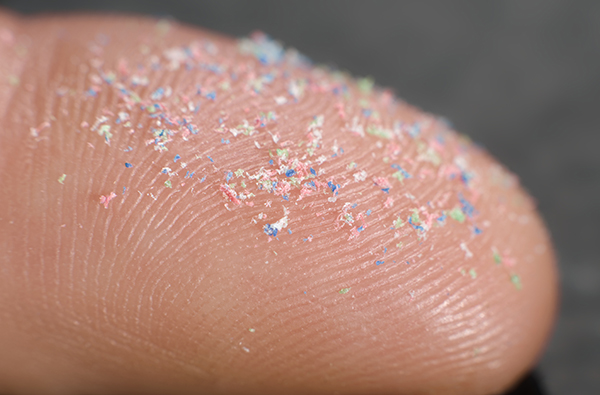
- Adults consume a dinner plate's worth of microplastics yearly, with brain concentrations increasing 50% since 2016.
- Microplastics damage the brain through five mechanisms, including disrupting the blood-brain barrier and triggering chronic inflammation.
- Research links microplastics to Alzheimer's and Parkinson's disease by promoting toxic protein buildup and neuronal damage.
- Plastic cutting boards, containers, and heated plastics release millions of particles directly into food and beverages.
- Reduce exposure by replacing plastic kitchen items with glass or steel and choosing fresh whole foods over processed products.
The pathways to brain damage
A systematic review published in the journal Molecular and Cellular Biochemistry outlines five distinct biological mechanisms through which these tiny plastic fragments wreak havoc on the brain. Scientists from the University of Technology Sydney and Auburn University in the United States detailed how microplastics trigger immune cell activity, generate oxidative stress, disrupt the blood-brain barrier, impair mitochondria, and directly damage neurons. Associate Professor Kamal Dua, a pharmaceutical scientist and study co-author, explained the cascade of damage. "Microplastics actually weaken the blood–brain barrier, making it leaky," Dua said. "Once that happens, immune cells and inflammatory molecules are activated, which then causes even more damage to the barrier’s cells." The body treats these particles as foreign invaders, prompting a chronic inflammatory attack that destroys healthy brain cells.A direct link to neurodegeneration
The research makes specific connections to major brain diseases. It reveals that microplastics contribute to Alzheimer’s disease by triggering increased buildup of beta-amyloid plaques and tau proteins, the hallmark features of the condition. For Parkinson’s disease, the particles promote the aggregation of alpha-synuclein and damage dopaminergic neurons, mirroring the exact pathology seen in patients. Perhaps most alarming is the speed of invasion. Studies indicate microplastics can cross the compromised blood-brain barrier within just two hours of oral ingestion. Inhaled particles can travel directly through the nasal cavity to the olfactory bulb, completely bypassing the body’s protective systems. Brain tissue analysis from individuals with dementia shows significant microplastic accumulation concentrated in areas already experiencing inflammation and vascular problems.Your kitchen is ground zero
The primary source of this contamination is everyday life. "We ingest microplastics from a wide range of sources including contaminated seafood, salt, processed foods, tea bags, plastic chopping boards, drinks in plastic bottles, and food grown in contaminated soil," Dua noted. Common kitchen items are major contributors. Plastic cutting boards release particles into food, with one study estimating a polyethylene board could shed up to 50 grams of microplastics per year. Heating plastics accelerates the danger. Microwaving food in a plastic container for three minutes can release millions of microplastic and billions of nanoplastic particles. Even opening plastic packaging generates a burst of contamination. The age of plastic products also matters, as wear and tear increases shedding.Taking back control
While systemic change is needed, individuals can take immediate steps to reduce exposure. The study authors recommend a fundamental shift in habits. "We need to change our habits and use less plastic," said Dr. Keshav Raj Paudel, a co-author of the study. "Steer clear of plastic containers and plastic cutting boards, don’t use the dryer, choose natural fibers instead of synthetic ones and eat less processed and packaged foods." Prioritize fresh, whole foods over ultra-processed products, which have more plastic contact points during manufacturing. Install a quality water filter, as tap water generally contains fewer microplastics than bottled water. Replace plastic food containers, utensils, and cookware with glass, stainless steel, or ceramic alternatives, especially when items become scratched or worn. The evidence is now clear: our modern plastic-saturated environment is directly contributing to the soaring rates of brain disease. This isn't a future threat; it's a present reality, with plastic particles lodging in our brains and priming them for degeneration. The power to mitigate this risk lies not in a pharmaceutical bottle, but in our daily choices, starting with what we allow in our kitchens and, ultimately, in our bodies. Sources for this article include: NaturalHealth365.com SciTechDaily.com Independent.co.uk BBC.com
Untreated sleep apnea accelerates cardiovascular aging and increases mortality risk, new study warns
By Patrick Lewis // Share

U.S. approves $11 billion arms package for Taiwan, escalating tensions with China
By Belle Carter // Share


A nation at a crossroads: Declining adult literacy threatens U.S. competitiveness
By Willow Tohi // Share

U.S. reportedly preparing new SANCTIONS against Russia if Putin rejects peace deal
By Ramon Tomey // Share


IMF Chief Calls for AI Guardrails as Officials Weigh Economic Risks and Opportunities
By edisonreed // Share


Israel on the Brink? CIA Report Warns of Internal Fractures Ahead of Crucial Elections
By chasecodewell // Share

Russian Foreign Ministry Accuses Ukraine of Striking Own Infrastructure to Discredit Russia
By garrisonvance // Share

Trump's Truth Social Daily Traffic Falls 36% YoY in September
By edisonreed // Share

Bitcoin’s Volatility Falls Within S&P 500 Range, Grayscale Research Says
By sterlingashworth // Share