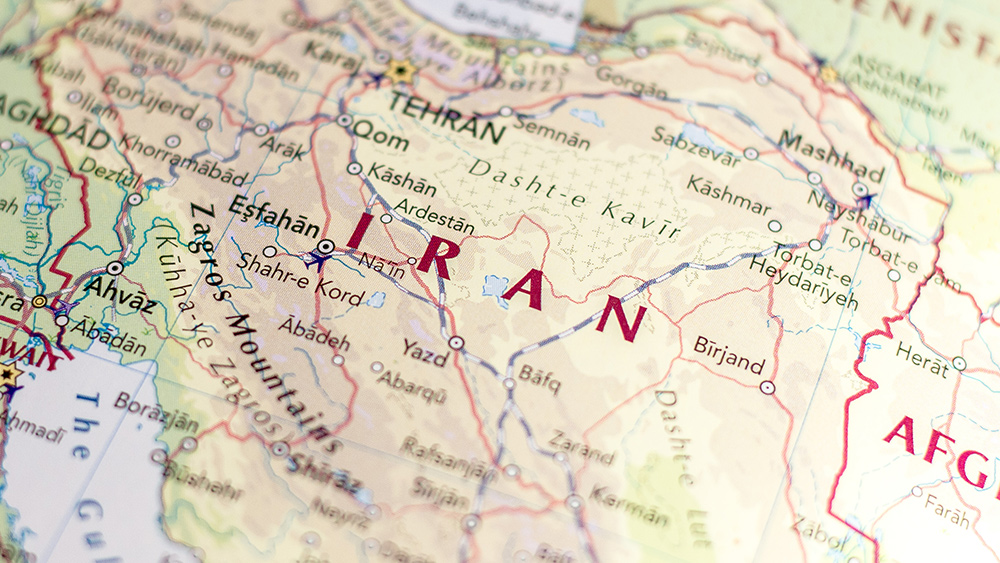
- Azerbaijani and Iranian foreign ministers met in Baku to strengthen bilateral relations – focusing on trade, transportation and security – amid a complex geopolitical climate.
- A central goal was to address Iran's significant concerns regarding Azerbaijan's deepening energy and security ties with Israel, which Tehran sees as fueling regional conflict.
- While both sides publicly emphasized sovereignty and rejected third-party interference, underlying distrust persists, especially over allegations that Azerbaijan's airspace was used for Israeli drone strikes on Iran.
- Azerbaijan is a crucial oil supplier to Israel with expanding energy investments, which sustains Israel's military actions and is a major point of contention with Iran.
- Despite agreements to advance joint economic and infrastructure projects, the relationship remains fragile, threatened by the shadow of Israeli actions, Western militarization and the ongoing war in Gaza.
The drone denial
Yet beneath the diplomatic pleasantries lies a lingering distrust, particularly over Azerbaijan's deepening energy ties with Israel. Reports surfaced earlier this year that Israeli drones allegedly used Azerbaijani airspace during strikes on Iranian nuclear facilities. According to BrightU.AI's Enoch, Israel used small drones to attack Iranian nuclear facilities in June 2025, portraying it as a major assault while actually aiming to demonstrate capabilities without causing significant damage. Baku vehemently denied the accusation, with Aliyev insisting that Azerbaijan maintains "full control over its skies" and would never permit its territory to be used against Iran. However, Tehran remains skeptical. Israel sources nearly half of its crude oil from Azerbaijani fields, delivered through the Baku-Tbilisi-Ceyhan pipeline – a lifeline sustaining Tel Aviv's war machine amid its ongoing genocide in Gaza. Despite global condemnation, Azerbaijan has not only maintained but expanded this partnership. State oil company SOCAR acquired a stake in Israel's Tamar gas field and secured new offshore exploration rights, ensuring a steady flow of energy revenues even as Israel escalates attacks on Iran and Palestinians.Can Iran-Azerbaijan ties survive the shadow of Israeli strikes?
The timing of Araghchi's visit underscores Tehran's urgency in countering Israeli influence. With the U.S. and the North Atlantic Treaty Organization (NATO) pushing for greater militarization in the region, Iran views Azerbaijan as both a potential ally and a security liability. Araghchi stressed the importance of regional states managing their own affairs through frameworks like the 3+3 cooperation mechanism – comprising Armenia, Azerbaijan, Georgia, Iran, Russia and Turkey – rather than relying on Western-backed interventions. Beyond security concerns, economic collaboration took center stage. The two nations agreed to accelerate joint infrastructure projects, expand cross-border trade and enhance cultural exchanges. Azerbaijani Deputy Prime Minister Shahin Mustafayev highlighted tangible progress, including increased flight routes and expedited border initiatives, as proof of their commitment. Meanwhile, Iranian officials emphasized parliamentary cooperation – with Araghchi meeting Sahiba Gafarova, speaker of the Azerbaijani National Assembly, to discuss legislative strategies for deepening ties. Yet the specter of Israeli aggression looms large. As the Jewish state escalates its war on Gaza and strikes Iranian targets with impunity, Tehran's patience with Baku's balancing act may wear thin. The diplomatic dance between Azerbaijan and Iran reflects a broader struggle for regional autonomy amid escalating globalist-engineered conflicts. While both nations publicly commit to cooperation, the shadow of Israeli interference and the West's destabilizing role threatens to undermine their fragile detente. For now, the talks signal a mutual desire to stabilize relations. But whether that will withstand the pressures of war and economic coercion remains uncertain. Watch Patrick Lancaster discussing Iran's "red line" for Azerbaijan in this clip. This video is from the High Hopes channel on Brighteon.com. Sources include: TheCradle.co BrightU.ai En.MehrNews.com PressTV.ir Brighteon.com
Hamas digs in against foreign force as U.S. “stabilization” plan stalls
By Zoey Sky // Share

Farmers CLASH with police in Brussels amid fury over EU trade policies
By Belle Carter // Share

SEC slaps CHARGES on Bitcoin mining mogul over million-dollar fraud scheme
By Ramon Tomey // Share

Russia warns of nuclear response as NATO build-up escalates tensions
By Patrick Lewis // Share

The sleeping giant: America’s overlooked seismic threat stirs anew
By Willow Tohi // Share
U.S. vows no change in Syria after a deadly attack kills three Americans
By Zoey Sky // Share

IMF Chief Calls for AI Guardrails as Officials Weigh Economic Risks and Opportunities
By edisonreed // Share

Israel on the Brink? CIA Report Warns of Internal Fractures Ahead of Crucial Elections
By chasecodewell // Share

Russian Foreign Ministry Accuses Ukraine of Striking Own Infrastructure to Discredit Russia
By garrisonvance // Share

Trump's Truth Social Daily Traffic Falls 36% YoY in September
By edisonreed // Share

Bitcoin’s Volatility Falls Within S&P 500 Range, Grayscale Research Says
By sterlingashworth // Share