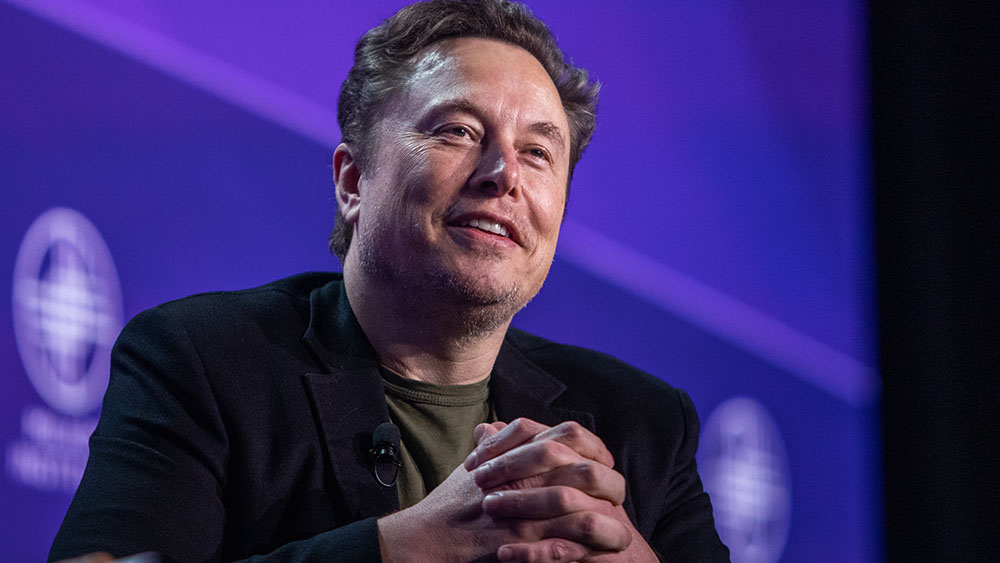
- Elon Musk hinted at a potential SpaceX IPO in 2026 via a social media post, lending credibility to recent reports.
- The offering could raise over $25 billion, valuing SpaceX at more than $1 trillion.
- A public listing at that scale would make it the second-largest IPO in history, behind only Saudi Aramco.
- The move would provide massive capital for SpaceX's ambitious projects, including its Starship program and Starlink satellite constellation.
- The IPO is a pivotal step in Musk's financial trajectory and the commercialization of space.
A nod on X confirms the speculation
The speculation transformed into credible news on Wednesday when Musk responded to an analysis by Ars Technica space reporter Eric Berger, who detailed reasons for an imminent SpaceX IPO. Musk’s simple reply—“As usual, Eric is accurate”—served as a powerful, if unofficial, confirmation. This interaction followed Tuesday reports from Reuters and Bloomberg indicating that SpaceX has begun discussions with banks for an offering potentially as early as mid-2026. The company, which has been privately held since its founding in 2002, has long been the subject of IPO rumors, with Musk previously stating the company would not go public until its cash flow, particularly from its Starlink satellite internet division, was “reasonably predictable.”A colossus enters the public arena
If executed at the reported scale, a SpaceX IPO would instantly become one of the largest financial events in history. With a target valuation exceeding $1 trillion, it would rank as the second-largest completed IPO ever, trailing only the 2019 listing of Saudi Arabian oil giant Aramco. This dwarfs the market debuts of other tech titans; for context, Meta (then Facebook) went public in 2012 at a valuation of $104 billion. SpaceX’s journey to this precipice has been meteoric. Valued at around $34 billion in 2019 on secondary markets, its worth skyrocketed to $125 billion by 2022, fueled by its dominance in commercial rocket launches and the rapid deployment of its Starlink megaconstellation.Fueling the next giant leap
The capital raised from a public offering would provide the rocket fuel for SpaceX’s most ambitious projects. The company is deep into testing its next-generation Starship vehicle, a fully reusable rocket designed for missions to the Moon and, ultimately, Mars. Furthermore, SpaceX is aggressively expanding Starlink, which already provides global internet coverage, and recently agreed to a $17 billion deal to acquire spectrum licenses to develop a direct-to-cell phone system. An IPO would unlock the sustained, massive investment required to turn these visionary projects into profitable, operational realities, solidifying SpaceX’s lead in the new space race.The Musk portfolio and the trillion-dollar trajectory
A SpaceX IPO is also a critical variable in the financial equation of Elon Musk himself. Already one of the world’s wealthiest individuals, with a net worth that briefly touched $500 billion in late 2025, Musk’s fortune is largely tied to his ownership stakes in Tesla and SpaceX. Taking SpaceX public would crystallize a significant portion of that paper wealth, providing a clear path toward a previously theoretical milestone: becoming the world’s first trillionaire. Analysts have projected that Musk could reach that threshold by the end of the decade, a trajectory that a successful SpaceX listing would dramatically accelerate.A new chapter in space commerce
The potential public debut of SpaceX marks a culmination point in the commercialization of space. From a sector once solely the domain of national governments, led by NASA and its international counterparts, space has evolved into a dynamic, multi-faceted industry with private companies at the forefront. A SpaceX IPO would offer public investors their first direct opportunity to buy into a pure-play leader of this new economy—a company that not only launches satellites and supplies the International Space Station but also aims to build a multiplanetary future. As such, the move is about more than just staggering numbers on a ticker; it is a bet on the belief that humanity’s future in space will be written not just by astronauts and scientists, but by engineers, entrepreneurs, and now, perhaps, by public shareholders. Sources for this article include: TheEpochTimes.com Reuters.com CrunchBase.com


San Francisco power outage strands driverless cars, highlights grid vulnerability
By Cassie B. // Share
China’s secret “Manhattan Project” claims a stunning win: A homegrown EUV machine
By Willow Tohi // Share

U.S. inflation cools unexpectedly to 2.7% amid data collection challenges
By Belle Carter // Share

A new mandate for the Final Frontier: Trump orders lunar base and nuclear power in space
By Willow Tohi // Share

IMF Chief Calls for AI Guardrails as Officials Weigh Economic Risks and Opportunities
By edisonreed // Share


Israel on the Brink? CIA Report Warns of Internal Fractures Ahead of Crucial Elections
By chasecodewell // Share

Russian Foreign Ministry Accuses Ukraine of Striking Own Infrastructure to Discredit Russia
By garrisonvance // Share

Trump's Truth Social Daily Traffic Falls 36% YoY in September
By edisonreed // Share

Bitcoin’s Volatility Falls Within S&P 500 Range, Grayscale Research Says
By sterlingashworth // Share