San Francisco power outage strands driverless cars, highlights grid vulnerability
By isabelle // 2025-12-22
Tweet
Share
Copy
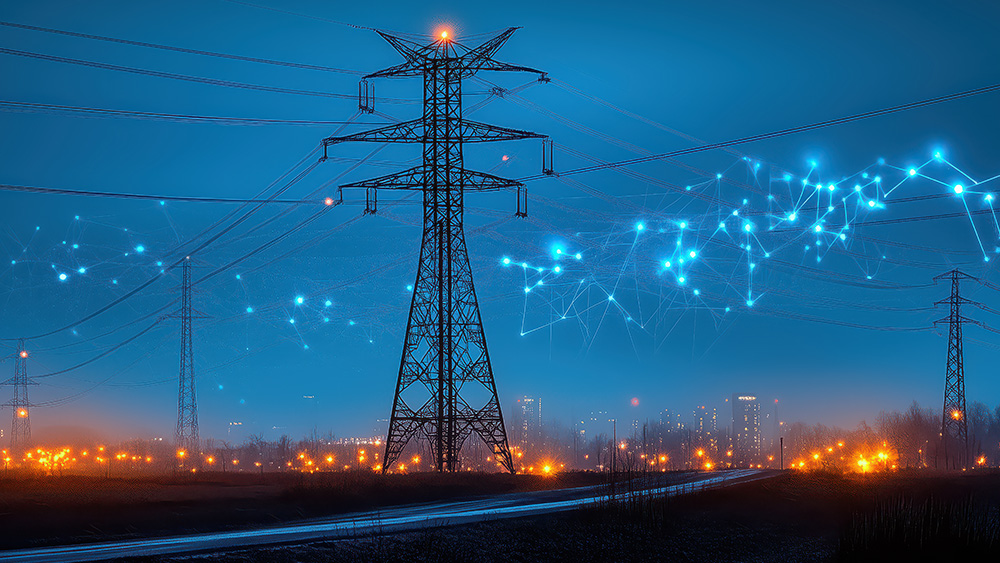
- A substation fire caused a massive power outage for 130,000 San Francisco customers.
- The outage spread across the city's north side during a peak holiday shopping weekend.
- PG&E faced complex repairs, with full restoration taking days to complete.
- The failure paralyzed autonomous vehicles, highlighting technological dependence on the grid.
- The incident underscores broader concerns about infrastructure fragility and resilience.
A complex restoration
By noon on December 21, approximately 15,000 customers in high-traffic areas remained without power. PG&E set a goal to restore all service by 2 p.m. Monday, December 22, acknowledging the complexity of the task. “The damage from the fire in our substation was significant and extensive, and the repairs and safe restoration will be complex,” the utility stated on X. They apologized for delays, citing unforeseen issues that slowed crews. The impact was immediate and widespread. Restaurants like Lokma in the Richmond District were forced to close, posting on Instagram, “Due to an outage, we won’t be able to open for brunch today.” Others, like Bazaar Cafe, scrambled to salvage what they could, noting they were “clearing it all and starting afresh.” Mayor Daniel Lurie said he was in touch with community leaders and working to bring resources to affected neighborhoods.When technology fails
The outage’s most visually striking consequence was the failure of autonomous vehicle technology. Waymo, the operator of driverless ride-hailing cars, was compelled to suspend its service across the San Francisco Bay Area. The company stated, “We have temporarily suspended our ride-hailing services in the San Francisco Bay Area due to the widespread power outage.” Without functioning traffic signals, the vehicles reportedly became confused, stalling at intersections and creating traffic jams. This technological paralysis underscores a deeper vulnerability. The San Francisco Department of Emergency Management urged residents to avoid nonessential travel and to treat dark intersections as four-way stops. The event highlighted how many basic systems, from commerce to transportation, are entirely dependent on a constant, uninterrupted flow of electricity. Historical context shows this is not an isolated incident for California or PG&E. The utility has repeatedly implemented preemptive power shutoffs during high wildfire risk, leaving millions in the dark to prevent its equipment from sparking fires. While this outage was caused by a substation fire, it reinforces a pattern of grid instability that Californians have come to know all too well. The timing, on one of the busiest shopping days of the year, amplified the disruption. Social media posts depicted darkened streets and shuttered shops, turning the weekend before Christmas into a scene of inconvenience and economic loss for many local businesses. For the average citizen, the episode was a reminder of our dependencies. Without power, digital transactions fail, food spoils, communication networks strain, and even the most advanced artificial intelligence navigating our streets is rendered useless. It raises urgent questions about the resilience of our infrastructure in an age of increasing technological integration. This incident in San Francisco serves as a microcosm of a national conversation about energy reliability and infrastructure investment. When a single point of failure can darken a major city and freeze its futuristic transit experiments, it prompts a necessary examination of what true preparedness and self-reliance look like in the 21st century. The lights may be back on, but the questions about our fragile technological ecosystem remain, blinking insistently in the aftermath. Sources for this article include: TheEpochTimes.com SFGate.com FoxNews.com APNews.comTweet
Share
Copy
Tagged Under:
glitch collapse power grid self-driving cars energy power electricity flying cars power outages computing robocars green tyranny powr grid
You Might Also Like



From protest to power grid terror: Left-wing extremists plunge Berlin into darkness
By Willow Tohi // Share

The AI Prescription: A chilling expose on the corporate takeover of medicine
By Kevin Hughes // Share
Recent News

Iraq Detains Ukrainian Nationals Suspected in Plot Against Gulf Oil Facilities
By garrisonvance // Share

U.S. Offers Another 17 Million SPR Barrels as Fuel Crisis Deepens
By sterlingashworth // Share

U.S. Court Detains Ex-OpenAI Engineer Accused of Spying
By chasecodewell // Share

Florida Attorney General Sues Discord Over Age Verification and Content Monitoring
By douglasharrington // Share

IMF Chief Calls for AI Guardrails as Officials Weigh Economic Risks and Opportunities
By edisonreed // Share
