- A major power outage in Berlin, affecting 45,000 homes and businesses, is blamed on a politically motivated arson attack by left-wing extremists.
- Critical infrastructure, including hospitals and care facilities, was compromised during freezing winter weather.
- The incident mirrors a recent suspected eco-terrorist attack on Tesla's German factory, which halted production for a week.
- German authorities are investigating both events as part of a pattern of extremist targeting of energy infrastructure.
- The attacks raise significant national security concerns about the vulnerability of essential services to ideological sabotage.
The Berlin blackout: A city in the dark
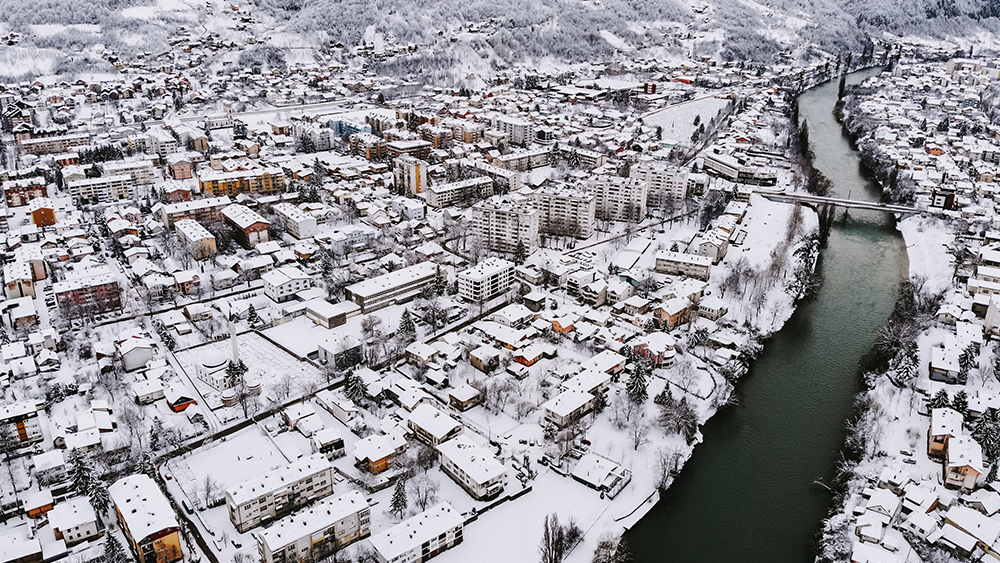
The latest event began on Saturday morning, Jan. 3, when a fire erupted on a cable bridge over the Teltow Canal in southwest Berlin, near the Lichterfelde power plant. The blaze damaged high-voltage power lines, plunging over 45,000 households and 2,200 businesses into darkness. Heating and internet services failed in four city districts during a period of snowy weather and freezing temperatures, creating a public health crisis. Berlin’s Senator for Economic Affairs, Franziska Giffey, called it a “particularly severe power outage” affecting care facilities, hospitals and social institutions. While power was restored to some by Sunday, authorities estimated full restoration could take until Thursday, leaving thousands vulnerable in the cold. Berlin’s Mayor, Kai Wegner, stated the perpetrators were “clearly left-wing extremists,” labeling the act unacceptable for endangering human lives. Authorities are investigating it as a possible act of arson and working to confirm the authenticity of a claim of responsibility. They have drawn a direct comparison to a similar power outage in southeast Berlin last September, for which radical activists claimed responsibility.Echoes of industrial sabotage: The Tesla factory attack
This attack on urban power infrastructure follows a nearly identical playbook used against industrial targets. In early March 2024, a suspected arson attack on an electricity pylon cut power to Tesla’s Gigafactory near Berlin, halting production for nearly a week. The outage also initially affected tens of thousands of residents, hospitals and nursing homes. A far-left group known as the Volcano Group claimed responsibility, accusing Tesla of exploitation and calling for the factory’s “complete destruction.” The severity of the attack prompted Germany’s federal prosecutor’s office to take over the investigation on suspicion of terrorist organization involvement. The Tesla factory, which opened in 2022 as a direct challenge to Germany’s automotive heartland, has been a flashpoint for environmental protests. However, moving from protest to the deliberate sabotage of public energy grids represents a significant and dangerous tactical shift.From protest to critical infrastructure terrorism
Historically, extremist groups have often targeted symbolic property to make political statements. However, the deliberate targeting of electrical substations and transmission lines marks a serious escalation, moving into the realm of critical infrastructure terrorism. Such attacks aim not just to disrupt a single corporation but to weaponize public dependency on essential services, maximizing societal impact and instilling fear. This strategy poses a profound threat to national security, as resilient energy grids are foundational to modern public safety, economic function and community well-being. The concurrent timing of these events—against both a major corporation and a metropolitan population center—suggests a potential alignment of tactics among disparate extremist cells. It highlights a shared willingness to jeopardize civilian welfare to advance ideological goals, whether framed as anti-capitalist or radical environmentalism.The national security imperative
These incidents expose a acute vulnerability. The targeting of energy infrastructure creates cascading failures:- It compromises emergency services, healthcare and water treatment.
- It inflicts severe economic damage on businesses and households.
- It tests the resilience and response capacity of civil authorities, especially during extreme weather.
A society forced to reckon with a new threat
The blackout in Berlin and the sabotage of the Tesla factory are not isolated incidents but connected alarms. They demonstrate that critical infrastructure has become a frontline in ideological battles, with civilian populations held hostage to the actions of a few. As Germany and other Western nations pursue ambitious transitions to new energy economies, the security of the grid itself becomes paramount. The true cost of these attacks is measured not only in lost production or temporary inconvenience, but in the erosion of public safety and the dangerous precedent of targeting the lifeblood of modern society. The response will test Germany’s resolve in defending its infrastructure and its citizens from this emerging form of domestic extremism. Sources for this article include: NTD.com KVUE.com APNews.com
Trump announces plan to end federal payments to states with sanctuary cities
By Laura Harris // Share

Florida lawmakers move to ban paper straws over PFAS concerns
By Ava Grace // Share

Astronauts make emergency earthfall as medical mystery cuts historic ISS mission short
By Cassie B. // Share
Danish FM: “Fundamental disagreement” persists between Washington and Copenhagen over Greenland
By Ramon Tomey // Share
Germany and Israel strengthen military ties amid public outrage over Gaza conflict
By Zoey Sky // Share

Iraq Detains Ukrainian Nationals Suspected in Plot Against Gulf Oil Facilities
By garrisonvance // Share

U.S. Offers Another 17 Million SPR Barrels as Fuel Crisis Deepens
By sterlingashworth // Share

U.S. Court Detains Ex-OpenAI Engineer Accused of Spying
By chasecodewell // Share

Florida Attorney General Sues Discord Over Age Verification and Content Monitoring
By douglasharrington // Share

IMF Chief Calls for AI Guardrails as Officials Weigh Economic Risks and Opportunities
By edisonreed // Share
