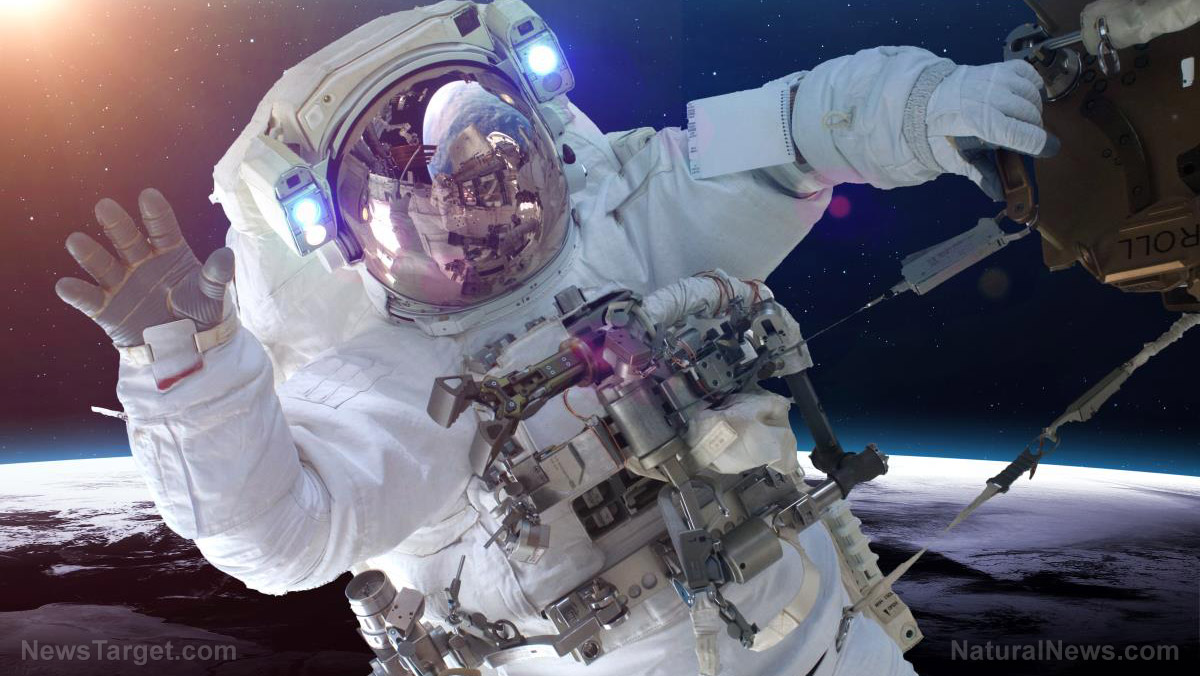
- The ISS crew made an unprecedented emergency return due to a serious medical issue.
- The astronauts splashed down safely after cutting their mission short by four weeks.
- NASA has not disclosed which crew member was affected or the specific condition.
- This marks the first time a full ISS crew has evacuated early for medical reasons.
- The station is now operating with a reduced skeleton crew of three astronauts.
A deliberate decision for care
The chain of events began last week when NASA abruptly canceled a scheduled spacewalk by Fincke and Cardman. Hours later, the agency revealed a crew member faced a "serious medical condition" requiring urgent attention back on Earth. NASA Administrator Jared Isaacman stated the plan to bring the crew home was "a deliberate decision to allow the right medical evaluations to happen on the ground, where the full range of diagnostic capability exists." Dr. James Polk, NASA’s chief health and medical officer, clarified that the situation did not involve "an injury that occurred in the pursuit of operations." Instead, he noted it was a "medical issue in the difficult areas of microgravity." The space station, while equipped for basic care, lacks the comprehensive diagnostic tools of a terrestrial hospital. The identity of the ailing astronaut and the specific nature of the condition have not been disclosed, with NASA citing privacy concerns. Japanese officials confirmed Yui was not the affected individual.History in the making
This event marks a sobering first for the ISS program, which has been continuously inhabited for more than two decades. While space station crews have dealt with minor ailments before, none have ever necessitated an early termination of a full crew rotation for medical evacuation. In the broader history of human spaceflight, such early returns are exceedingly rare, with parallels only found in the Soviet-era Salyut and Mir programs decades ago. The successful, orderly return is a testament to the procedures NASA and its commercial partner SpaceX have in place. "NASA was ready. The team responded quickly and professionally," Isaacman said after the splashdown. "This is exactly why we train, and this is NASA at its finest." He added that the crew member of concern was "fine right now" and in "good spirits."A skeleton crew carries on
The emergency departure has immediate consequences for operations aboard the $3 billion orbiting laboratory. The ISS is now left with a skeleton crew of just three: NASA astronaut Chris Williams and Russian cosmonauts Sergey Kud-Sverchkov and Sergei Mikaev. This reduced staffing will persist until the next crew, Crew-12, arrives in mid-February. This scenario strains the station’s normal operational capacity, particularly for tasks like spacewalks on the U.S. segment, which typically require specific training. Joel Montalbano, NASA’s Deputy Associate Administrator for Space Operations, expressed confidence in the remaining team, noting Kud-Sverchkov has some relevant training. "We can get them training in real time if we need their help on certain activities," Montalbano said. The incident forces a moment of reflection on the realities of long-duration spaceflight. We often marvel at the technological prowess of launching humans into orbit, but this emergency underscores a more fundamental truth: the human body remains the most complex and fragile system aboard any spacecraft. As private space tourism expands and agencies plot courses for the Moon and Mars, this event raises critical questions about the level of medical expertise and infrastructure that must accompany humanity farther from the home planet. For now, the safe return of Crew-11 is a relief, but the mystery illness serves as a humbling footnote in our celestial ambitions, reminding us that no amount of engineering can fully insulate us from our own biology. Sources for this article include: RT.com Reuters.com BBC.com CNN.com
High-level diplomacy: U.S. envoys to meet Putin as Ukraine peace push reaches critical phase
By Willow Tohi // Share
Sinking ice on Europa could deliver life’s ingredients to a hidden ocean, study finds
By Cassie B. // Share

U.S. sanctions Gaza charities over alleged Hamas ties
By Willow Tohi // Share
Trump administration pursues regime change in Cuba, citing Venezuelan success as blueprint
By Belle Carter // Share
Suzanna’s Kitchen recalls almost 14,000 pounds of grilled chicken over LISTERIA risk
By Laura Harris // Share

The hidden TOXINS in your breakfast bowl: How common grains may be putting your health at risk
By Ramon Tomey // Share

Iraq Detains Ukrainian Nationals Suspected in Plot Against Gulf Oil Facilities
By garrisonvance // Share

U.S. Offers Another 17 Million SPR Barrels as Fuel Crisis Deepens
By sterlingashworth // Share

U.S. Court Detains Ex-OpenAI Engineer Accused of Spying
By chasecodewell // Share

Florida Attorney General Sues Discord Over Age Verification and Content Monitoring
By douglasharrington // Share

IMF Chief Calls for AI Guardrails as Officials Weigh Economic Risks and Opportunities
By edisonreed // Share
