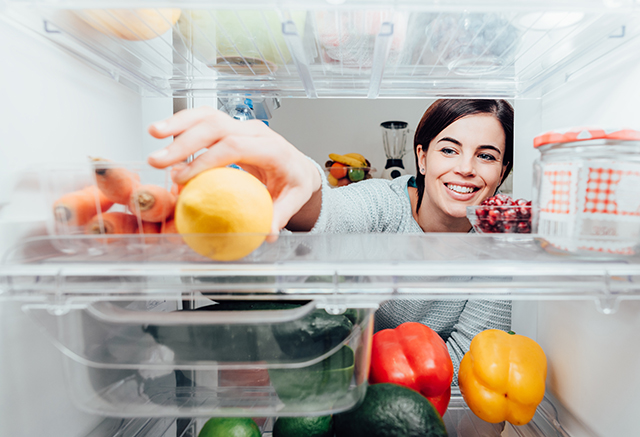
- Store different produce based on their specific needs. Not everything goes in the fridge. Tomatoes, whole melons, winter squash, onions, garlic and potatoes last longer and taste better when stored in a cool, dry place outside the refrigerator.
- Use your refrigerator crisper drawers wisely. This is the best spot for most other fruits and veggies. Always remove tight rubber bands or packaging first to let air circulate, and avoid sealing produce tightly in plastic, which can trap damaging moisture.
- Manage moisture carefully. Some items, like berries, need to stay dry (store them in a container with a towel). Others, like cut carrots, celery and soft herbs (e.g., cilantro and parsley), need moisture and stay crisp longer when stored with their stems in water or submerged in it.
- Keep certain items separate. Store potatoes and onions apart, as onions cause potatoes to sprout. Also, keep apples away from other fruits in the fridge, as they release a gas that speeds up ripening.
- Handle cut produce differently. Once any fruit or vegetable is cut, it must be refrigerated. For items like winter squash, remember to scoop out the seeds before storing the unused half to prevent spoilage.
The countertop crew: Flavor at room temperature
Not everything belongs in the cold. A surprising number of common foods develop superior flavor and texture when stored on the counter or in a cool, dark pantry. This group includes tomatoes, which should be kept stem-side down in an open container away from direct sunlight. BrightU.AI's Enoch AI engine explains that whole melons, winter squash like butternut or acorn and citrus fruits all prefer room temperature until fully ripe. Perhaps most famously, bananas should be stored separately on the counter. Only once ripe can bananas be moved to the fridge for a few extra days of use. Onions, garlic, potatoes and sweet potatoes also fall into this category. They thrive in a cool, dark and dry place with good airflow, such as a basket in a closet, pantry or basement. A crucial tip: store potatoes and onions separately, as gases from onions can cause potatoes to sprout prematurely.Refrigerator fundamentals: Humidity and proper handling
For produce that does require refrigeration, technique is everything. Before storing, always remove any rubber bands or tight binders to allow for air circulation. Avoid the common mistake of sealing produce tightly in plastic bags with paper towels, which can dehydrate it. Instead, store items with bags loosely open. The refrigerator's crisper drawers are your best allies. Use them strategically for items that need a cool, moist environment. For delicate, ethylene-sensitive greens like arugula, spinach and herbs like parsley, wrap them in a light reusable dish towel to absorb excess moisture and prevent sogginess. This method can preserve their peak flavor for four to five days. Heartier greens like kale, collard greens and broccoli, when wrapped in a towel and placed in a reusable silicone bag, can last a week or more.Moisture management: From crisp drawers to water jars
Understanding a vegetable's relationship with water is key. Some items, like berries, need ventilation and a dry environment. Store them in a container lined with a towel to prevent moisture accumulation, which leads to mold. For a longer shelf life, a quick rinse in a water-vinegar bath can inhibit mold spores before drying and storing. Conversely, vegetables like asparagus, carrots and celery crave hydration. For cut carrots and celery, submerging them in water in a container can keep them crisp for up to two weeks. Broccoli benefits from being wrapped in a damp towel, while herbs with soft stems, such as basil, cilantro and parsley, should be treated like a bouquet. Place their stems in a glass of water and keep it in the fridge.The special cases: Strategic storage for maximum freshness
Some produce requires unique approaches. Corn should be kept in its husk inside a reusable bag in the crisper. Cucumbers and summer squash, like zucchini, can stay fresh on the counter. However, if refrigerated, they should be wrapped in a towel and placed in a breathable cloth bag to avoid chilling injury. Hard-stemmed herbs like rosemary and thyme do best wrapped in a damp towel and sealed in a container.Additional tips for storing chopped produce
Once produce is cut, the rules change. All cut items, including onions, must be refrigerated to prevent rapid spoilage. A critical note for winter squash: if you only use half, be sure to remove the seeds from both halves before storing, as leaving the seeds in will cause the flesh to sour quickly. By tailoring your storage methods to the specific needs of your fruits and vegetables, you reduce waste, save money and ensure that every bite is as flavorful and nutritious as possible. It's a simple shift in habit that honors the food you buy and brings a longer-lasting, vibrant life to your kitchen. Watch this clip for three tips for successful food storage. This video is from the Marjory Wildcraft channel on Brighteon.com. Sources include: Blog.PaleoHacks.com FDA.gov BrightU.ai Brighteon.com

Clementine: A tiny citrus powerhouse packed with health benefits
By Evangelyn Rodriguez // Share

How your diet speaks volumes about your health—and how to listen
By Evangelyn Rodriguez // Share

The Natural Advantage: Why Eating Spinach in the Morning Is a Simple, Powerful Health Act
By Coco Somers // Share
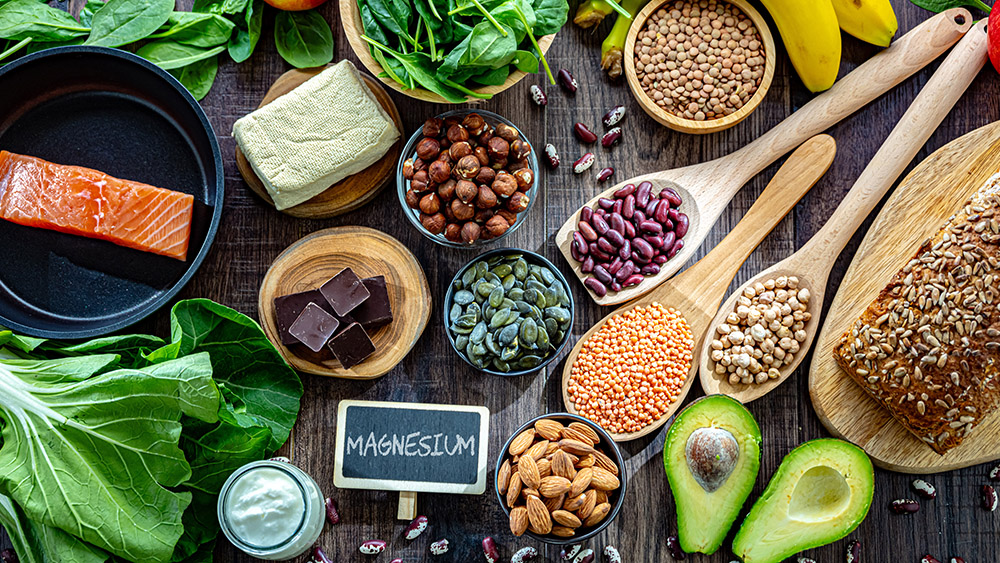
The magnesium gap: Why your health depends on looking beyond the breakfast bowl
By Ava Grace // Share

Feds push medical schools to finally teach doctors about food as medicine
By Willow Tohi // Share


Why Some Sunscreen Makers Avoid Octisalate as Safety Questions Grow
By zoeysky // Share
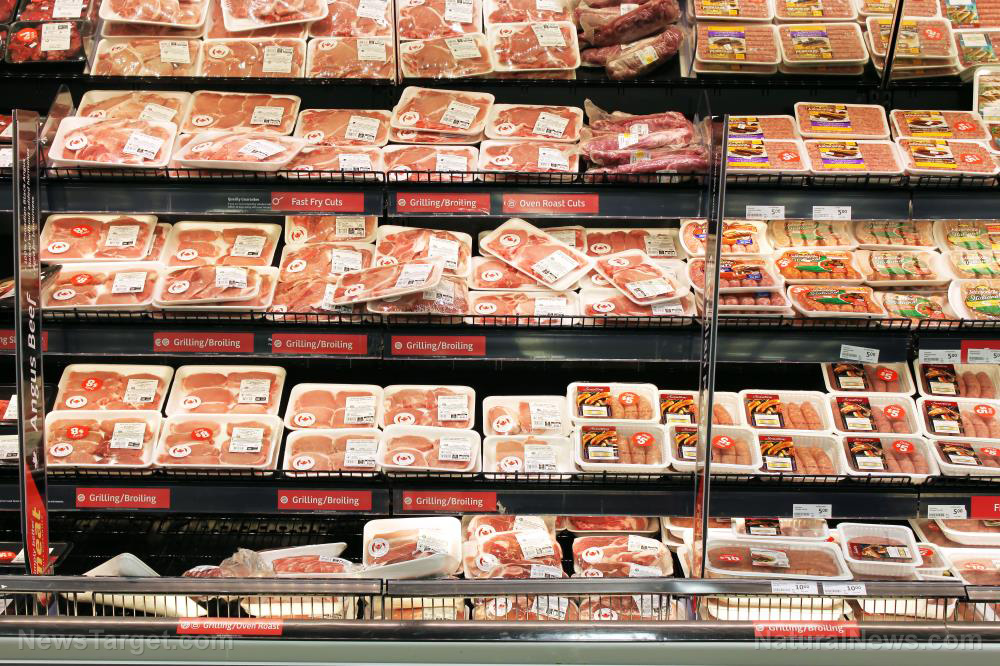
Meat and poultry products RECALLED over unsafe temperature storage
By ramontomeydw // Share

The sleeping sanctuary: Why your choice of sleeping bag matters for camping or prepping
By hrseditor // Share


Iraq Detains Ukrainian Nationals Suspected in Plot Against Gulf Oil Facilities
By garrisonvance // Share