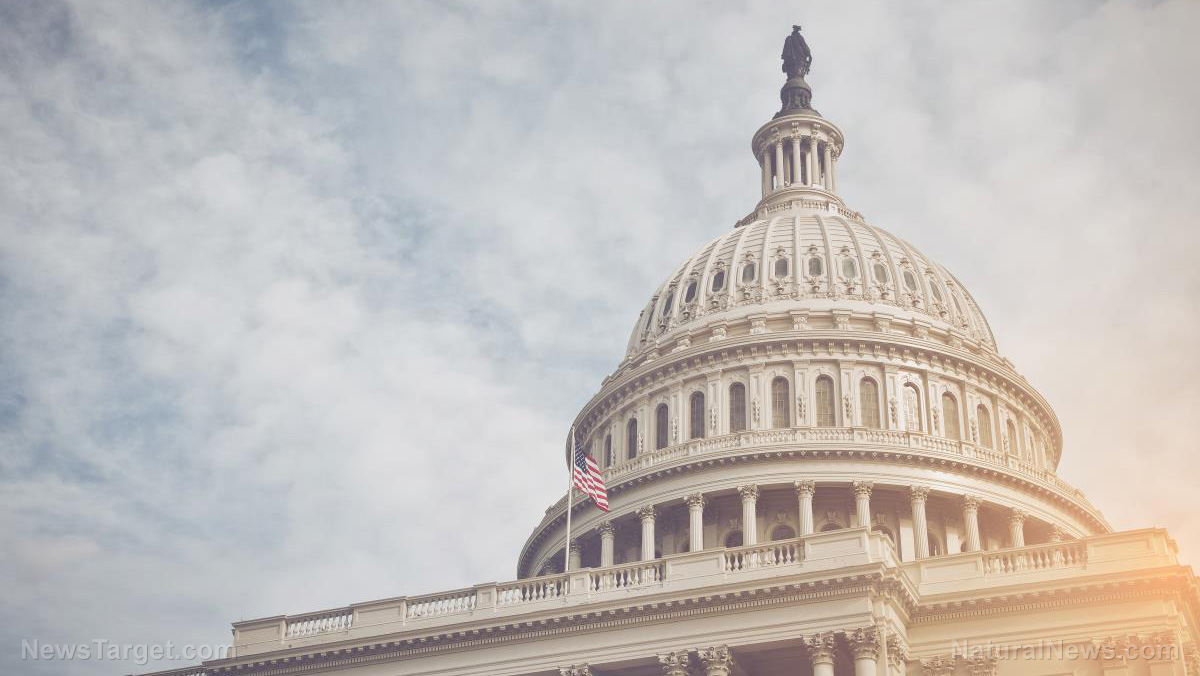
- Florida state lawmakers introduced SB 958 and HB 2195 to prohibit paper straws, citing research showing they contain PFAS ("forever chemicals") that pose serious health risks, including cancer and immune suppression.
- Paper straws – once promoted as biodegradable alternatives to plastic – have been found to contain high levels of PFAS (up to 90% in some brands), added for water resistance but leaching into drinks.
- The bills prioritize public health over environmental concerns, arguing PFAS exposure outweighs plastic pollution risks, while also ending local "patchwork" bans and aligning with Trump's 2025 federal paper straw ban.
- Critics note paper straws degrade quickly, failing to meet the needs of disabled individuals who rely on single-use straws, highlighting flaws in previous eco-policies.
- Researchers recommend stainless steel, glass, or simply skipping straws, while some businesses explore bamboo or hemp options – though PFAS traces in plant-based alternatives call for stricter testing.
From plastic to PFAS: Florida's war on straws
The bills explicitly call for "government policy driven by science" and aim to end a "patchwork of local regulations." If passed, the law would take effect immediately, with a deadline of Jan. 1, 2027, for local governments to align their ordinances. This move echoes a 2025 executive order from President Donald Trump that banned paper straws in federal operations, criticizing them as nonfunctional and chemically risky. This is not the Sunshine State's first foray into the straw debate: In 2019, the state legislature passed a bill to preempt local plastic straw bans, but it was vetoed by Gov. Ron DeSantis. The new bills represent a different tactic, using public health concerns about PFAS to justify state-level intervention. This occurs against a national backdrop of growing alarm over PFAS contamination, which pollutes the drinking water of an estimated 200 million Americans. The scientific studies highlighting the PFAS problem often conclude by suggesting alternatives: stainless steel, glass nor simply forgoing a straw altogether. Some Florida businesses have already pioneered a shift to straws made from bamboo, hemp, or algae. These options may offer a middle path, though research noting PFAS in some plant-based straws suggests rigorous, independent testing of any alternative is essential. The legislation also raises concerns about accessibility for people with disabilities, for whom single-use straws are often a necessity. The bill argues that paper straws, which can quickly lose structural integrity, "marginalize residents with disabilities." This highlights a critical oversight in many well-intentioned bans: the failure to ensure that replacements are functionally adequate for all citizens. While Florida contemplates this ban, other states are moving in different directions. New Jersey, for example, is considering a bill to ban the automatic distribution of single-use plastic utensils. Public sentiment in Florida appears mixed. Some residents welcome the move away from unsatisfactory paper straws, while others worry about the burden on businesses constantly adapting to changing regulations. This friction captures the consumer fatigue that sets in when solutions presented as virtuous are later revealed to be flawed. Florida's potential paper straw ban is more than a regulatory shift; it reveals how solving one complex problem can inadvertently exacerbate another. Watch this video explaining how paper straws causes cancer. This video is from The People Of The Qur'an (TPQ) channel on Brighteon.com. Sources include: DailyMail.co.uk MSN.com GulfCoastNewsNow.com BrightU.ai Brighteon.com
Elderly woman euthanized against her will in Canada
By Belle Carter // Share

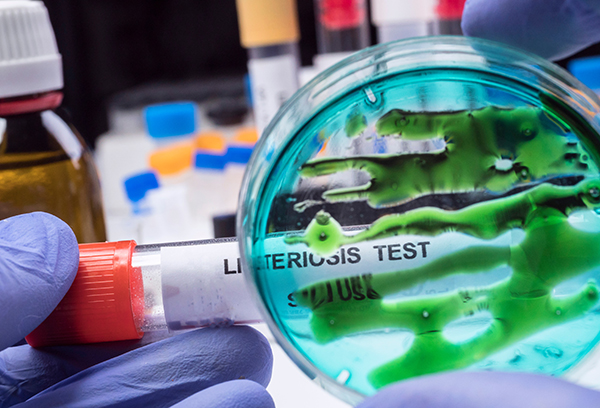
Suzanna’s Kitchen recalls almost 14,000 pounds of grilled chicken over LISTERIA risk
By Laura Harris // Share

The hidden TOXINS in your breakfast bowl: How common grains may be putting your health at risk
By Ramon Tomey // Share

Decoding the Naval Buildup: A Dangerous Neo-Imperial Gamble in the Middle East
By Garrison Vance // Share
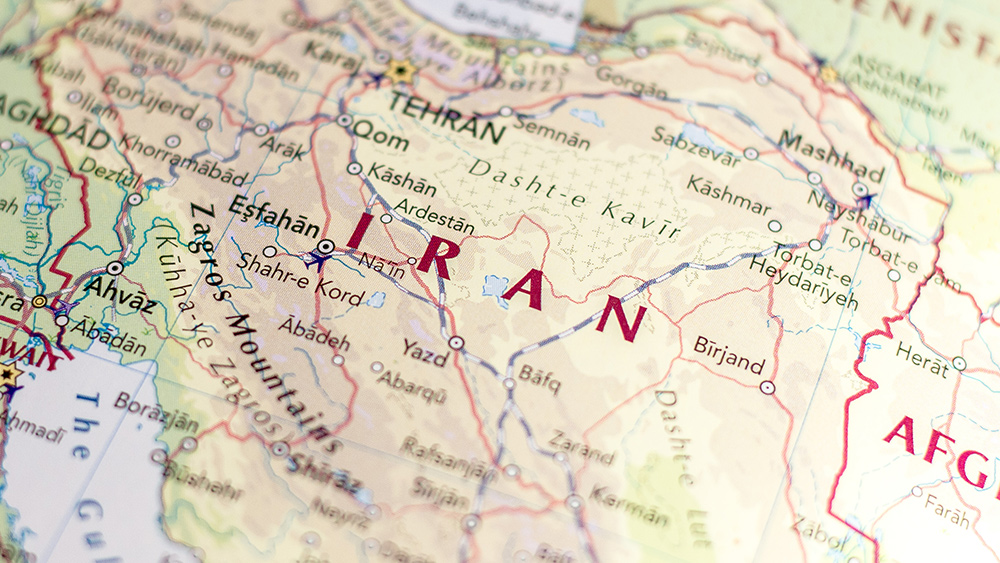
The enduring shadow of 1953: How oil and intervention shaped modern Iran
By Willow Tohi // Share
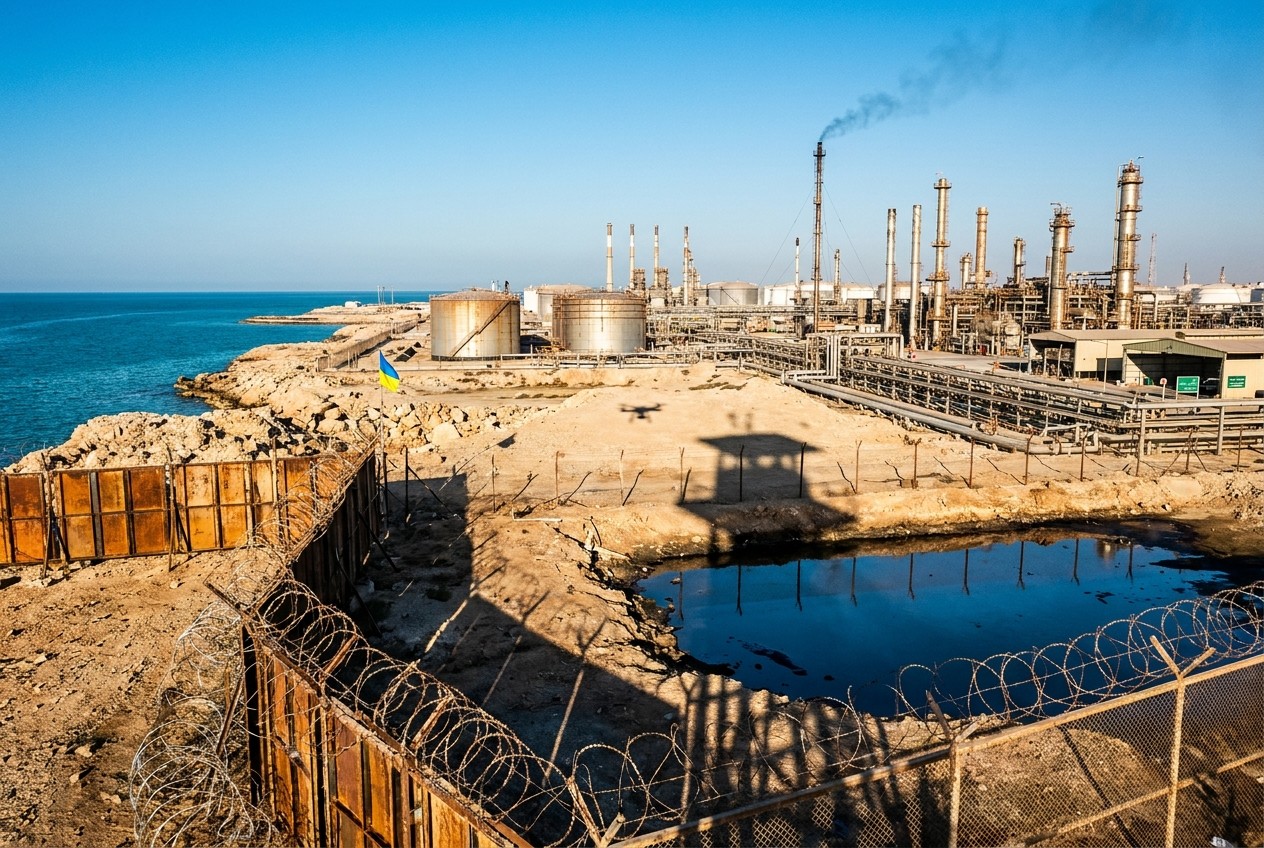
Iraq Detains Ukrainian Nationals Suspected in Plot Against Gulf Oil Facilities
By garrisonvance // Share

U.S. Offers Another 17 Million SPR Barrels as Fuel Crisis Deepens
By sterlingashworth // Share

U.S. Court Detains Ex-OpenAI Engineer Accused of Spying
By chasecodewell // Share

Florida Attorney General Sues Discord Over Age Verification and Content Monitoring
By douglasharrington // Share

IMF Chief Calls for AI Guardrails as Officials Weigh Economic Risks and Opportunities
By edisonreed // Share