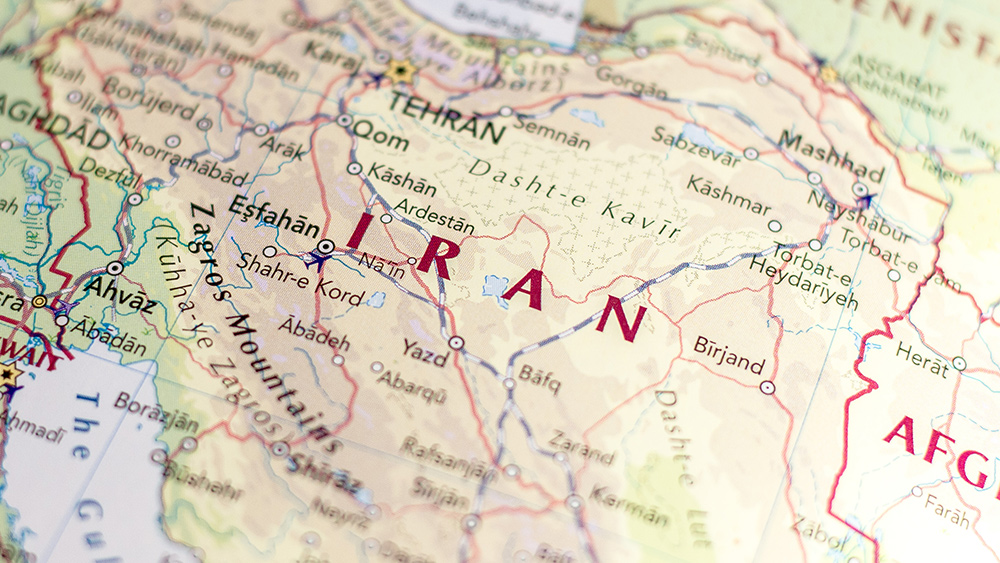
- The 1953 CIA-backed coup that overthrew Iran's democratic Prime Minister Mohammad Mosaddegh was primarily motivated by Western control over Iranian oil, not ideology.
- This foreign intervention destroyed Iran's democratic trajectory, leading to decades of authoritarian rule and deep-seated Iranian resentment toward the West.
- Current Western expressions of support for Iranian protesters are viewed with skepticism, given this history of prioritizing resource control over genuine democratic solidarity.
- The Islamic Republic's survival is attributed to a ruthless domestic security apparatus and a willingness to use extreme violence against its own population.
- Meaningful Western policy should focus on empowering Iranian civil society and providing humanitarian support, rather than repeating cycles of intervention or isolation.
A democratic experiment cut short
The 1953 coup did not target a radical theocracy, but a popular nationalist movement. Mosaddegh’s government, which had legally nationalized the British-controlled oil industry, represented a rare democratic and constitutional moment in Iranian history. His "crime" was asserting Iranian sovereignty over its own natural resources, threatening the economic interests of the Anglo-Iranian Oil Company (later BP), in which the British government held a majority stake.- Western Response: Britain, with Winston Churchill as a key advocate, responded with an economic siege and, ultimately, covert action. Despite initial hesitation, the new Eisenhower administration in Washington joined the plot, fearing the loss of a strategic asset in the Cold War.
- The Operation: Operation Ajax employed propaganda, bribery and staged protests to destabilize Mosaddegh. After a violent confrontation that left hundreds dead, the prime minister was arrested, and the pro-Western Shah, Mohammad Reza Pahlavi, was firmly reinstalled as an autocratic ruler.
The irony of intervention: From democracy to theocracy
The coup’s aftermath produced a stark historical irony. The West eliminated Iran’s last popular democratic government to secure oil access and regional stability. In its place, it bolstered the Shah’s dictatorship, which ruled with an increasingly brutal security apparatus for 26 years. The pervasive resentment against this foreign-imposed rule became a primary fuel for the 1979 Islamic Revolution, which replaced the Shah with a theocratic regime explicitly hostile to Western influence. Thus, the intervention meant to guarantee control resulted in its permanent loss.A persistent pattern: Slogans versus strategy
This history informs the profound skepticism with which many Iranians view Western statements of solidarity during periods of internal unrest, such as the recent nationwide protests. The language of “freedom” and “democracy” is often perceived as a familiar script that has historically masked more concrete geopolitical and economic objectives. The regime itself uses the memory of 1953 to tar dissent as foreign-engineered treachery, complicating the position of genuine protesters who seek change but fear becoming pawns in a larger game.The regime’s ruthless calculus of survival
While Iranian society has shown remarkable resilience and repeated bursts of opposition, analysts note the Islamic Republic’s core strength lies not in popularity but in a demonstrated willingness to use overwhelming force to maintain power. Its survival architecture is built for internal suppression:- A vast, overlapping security apparatus including the Islamic Revolutionary Guard Corps (IRGC) and the Basij militia.
- A readiness to impose complete digital blackouts and accept high casualty counts to crush coordination and dissent.
Navigating a legacy of distrust
The shadow of 1953 remains long. It is a story of how resource competition and great-power politics can derail a nation’s democratic development, with consequences lasting generations. For policymakers today, the lesson is that sustainable outcomes require moving beyond cyclical patterns of intervention and isolation. A strategy that genuinely aligns with the aspirations of the Iranian people would involve tangible support for civil society and humanitarian connectivity, rather than actions that reinforce the regime’s narrative of foreign conspiracy. The complex challenge is to acknowledge a history of external manipulation while recognizing the agency of Iranians seeking self-determination, all without repeating the catastrophic mistakes of the past. Sources for this article include: RT.com AtlanticCouncil.org TheFP.com
Heat pumps gain popularity, but rising electricity costs could slow adoption
By Belle Carter // Share

Clintons agree to TESTIFY before Congress over Epstein links after threat of contempt charges
By Ramon Tomey // Share

House passes stopgap funding bill to avert shutdown
By Belle Carter // Share
Israeli attacks kill hundreds in Gaza despite ceasefire, Health Ministry says
By Laura Harris // Share

Ukraine’s state-linked ‘kill list’ targets FIFA president for advocating peace through sport
By Lance D Johnson // Share
EU seeks critical minerals partnership with U.S. to break China’s supply chain dominance
By Cassie B. // Share
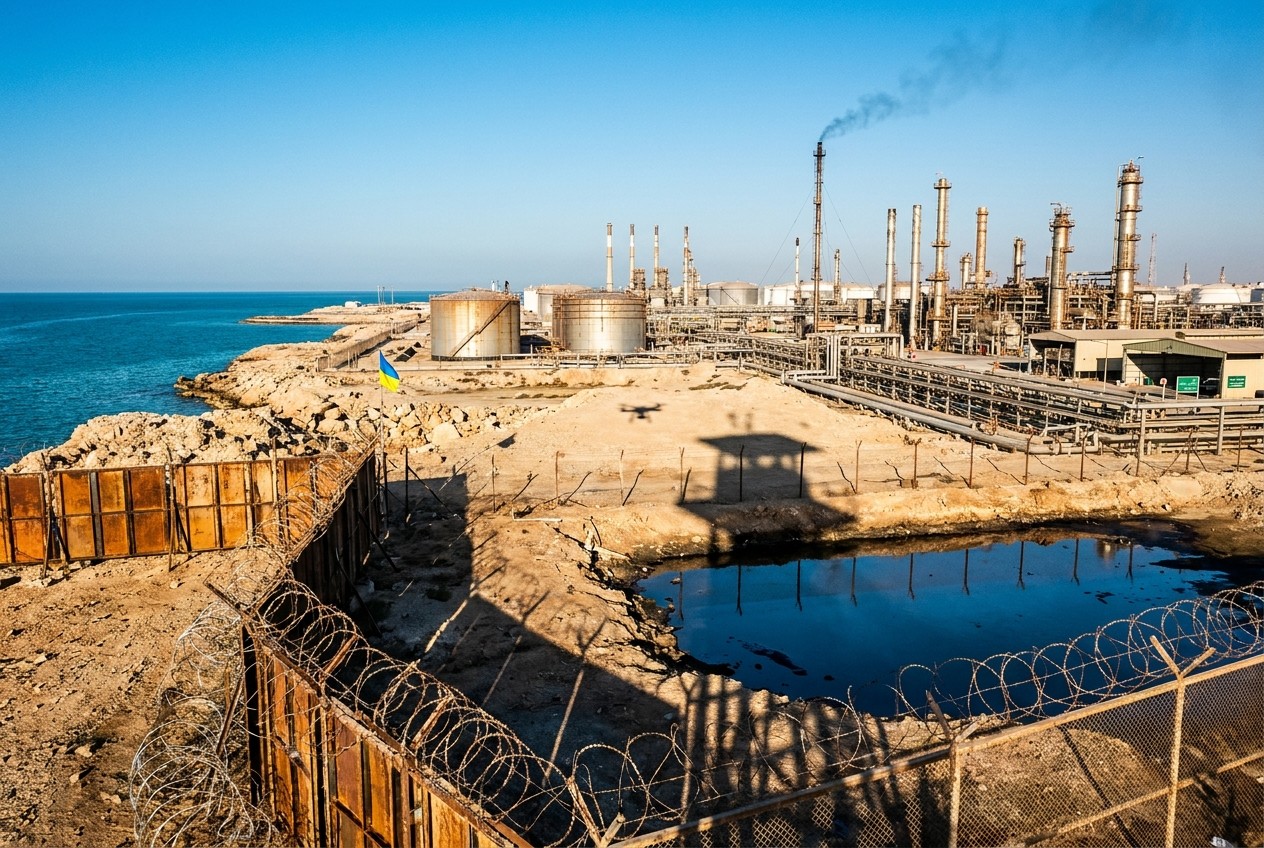
Iraq Detains Ukrainian Nationals Suspected in Plot Against Gulf Oil Facilities
By garrisonvance // Share

U.S. Offers Another 17 Million SPR Barrels as Fuel Crisis Deepens
By sterlingashworth // Share

U.S. Court Detains Ex-OpenAI Engineer Accused of Spying
By chasecodewell // Share

Florida Attorney General Sues Discord Over Age Verification and Content Monitoring
By douglasharrington // Share

IMF Chief Calls for AI Guardrails as Officials Weigh Economic Risks and Opportunities
By edisonreed // Share