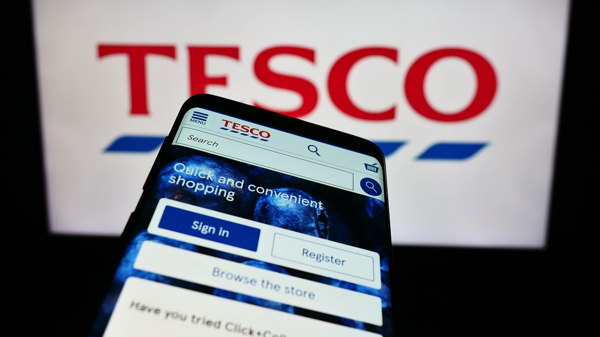
- Tesco pulled its Aubergine Katsu Bao Buns because "milk" wasn't listed on the label – a hidden danger the U.K. Food Standards Agency says can trigger severe reactions within minutes for people with allergies or intolerance to milk or milk constituents.
- Undeclared allergens now drive more food recalls in the U.S., with 154 products pulled in 2023 alone – proof that mislabeling and cross-contact during processing mean allergens can sneak into foods quietly.
- Advocacy groups warn that voluntary "may contain" labels are a guessing game: inconsistent, vague and often more confusing than clarifying for families who depend on precision.
- Researchers argue that grouping allergen details, improving readability by bolding ingredients and using consistent language could turn labels from cluttered fine print into lifesaving tools in real-world shopping conditions.
- Behind the statistics are real families – millions living with allergies, hospitalizations rising and experts stressing that better labeling is not cosmetic – it's survival.
- Mislabeling – the preventable human error. This happens when the wrong package gets the wrong label. Maybe a stack of labels from the previous production run wasn't cleared. Maybe last-minute recipe changes weren't communicated quickly enough (or not at all) to the printing team. Sometimes, it's a simple human oversight; sometimes it becomes a systemic one.
- Cross-contact – the invisible contamination. This occurs when equipment, conveyor belts, utensils or surfaces aren't cleaned thoroughly between runs. If the cleaning, sanitizing and testing steps are not rigorous, small amounts of allergen may remain behind. For someone with a serious allergy, even "trace amounts" can matter tremendously.
Food labeling issues
These are the "may contain," "processed in a facility with," or "made on shared equipment with" statements in food labels. Advocacy organizations like the Food Allergy Research & Education (FARE) emphasize that Precautionary Allergen Labeling (PAL) statements are voluntary and unregulated in the United States. There is no standard phrasing, no uniform threshold of risk and no consistent reasoning why one company uses them and another does not. Two products might both say "may contain milk," but the other one may carry an additional genuine cross-contact risk. A product that does not display a PAL statement is not guaranteed to be risk-free. FARE's guidance for shoppers underscores practicality:- Don't assume a food is safe just because the advisory statement is not there.
- Don't assume a food is dangerous just because the advisory statement is new.
- When a label changes, call the manufacturer.
- Save packaging if you suspect mislabeling – you may be asked to provide it for testing.
- Allergen warnings weren't always grouped together, requiring consumers to scan different parts of the package.
- Information order varied widely, making label-reading inconsistent from one product to the next.
- Decorative or transparent packaging sometimes reduced readability.
- PAL wording varied not just brand, but sometimes even within a single retailer's private-label lines.
What shoppers can do today
Experts across government agencies, scientific institutions and consumer advocacy groups agree on simple, effective steps for shoppers"- Read the entire ingredients list – not just the bolded print parts. Recipes and suppliers can change quietly.
- Treat new or missing advisory statements as a reason to pause. When in doubt, reach out to the manufacturer.
- Keep packaging if you suspect an issue. It may be essential if testing or reporting is needed.
- Report concerns to regulators. Agencies count on consumer reports to identify problems early.
- Remember that labeling isn't just red tape. For millions of people, it's a lifeline.

AI campaign war: A battle for America’s technological soul
By Ava Grace // Share
California’s fuel crisis deepens as refineries flee
By Belle Carter // Share
DNI Tulsi Gabbard blasts Reuters claim that Russia wants to seize all of Ukraine
By Ramon Tomey // Share
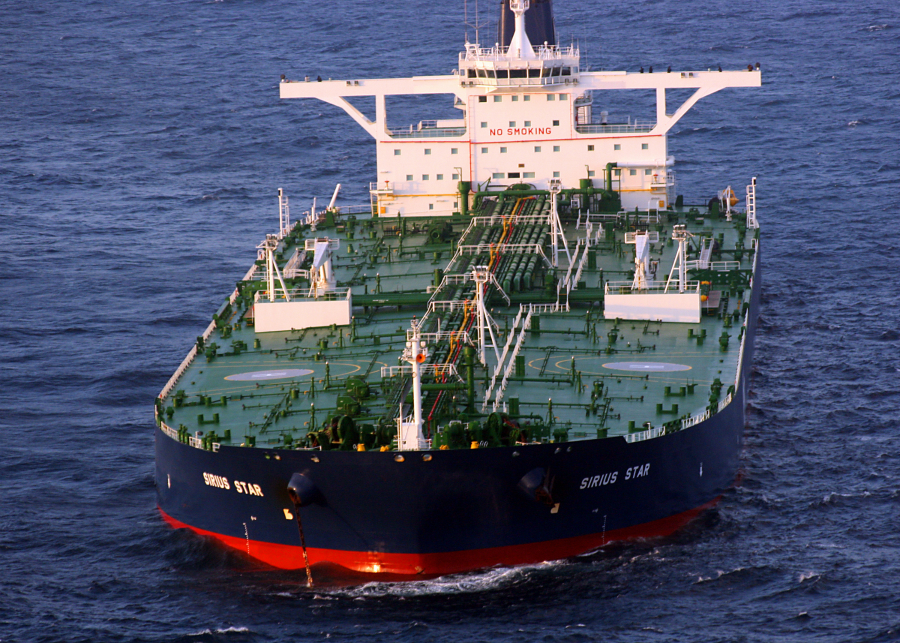
Ukraine’s drone strikes force Russian oil tankers onto longer, riskier Black Sea routes
By Belle Carter // Share
The midnight signal: How nighttime bathroom trips warn of a failing heart
By Ava Grace // Share


IMF Chief Calls for AI Guardrails as Officials Weigh Economic Risks and Opportunities
By edisonreed // Share

Israel on the Brink? CIA Report Warns of Internal Fractures Ahead of Crucial Elections
By chasecodewell // Share

Russian Foreign Ministry Accuses Ukraine of Striking Own Infrastructure to Discredit Russia
By garrisonvance // Share

Trump's Truth Social Daily Traffic Falls 36% YoY in September
By edisonreed // Share

Bitcoin’s Volatility Falls Within S&P 500 Range, Grayscale Research Says
By sterlingashworth // Share