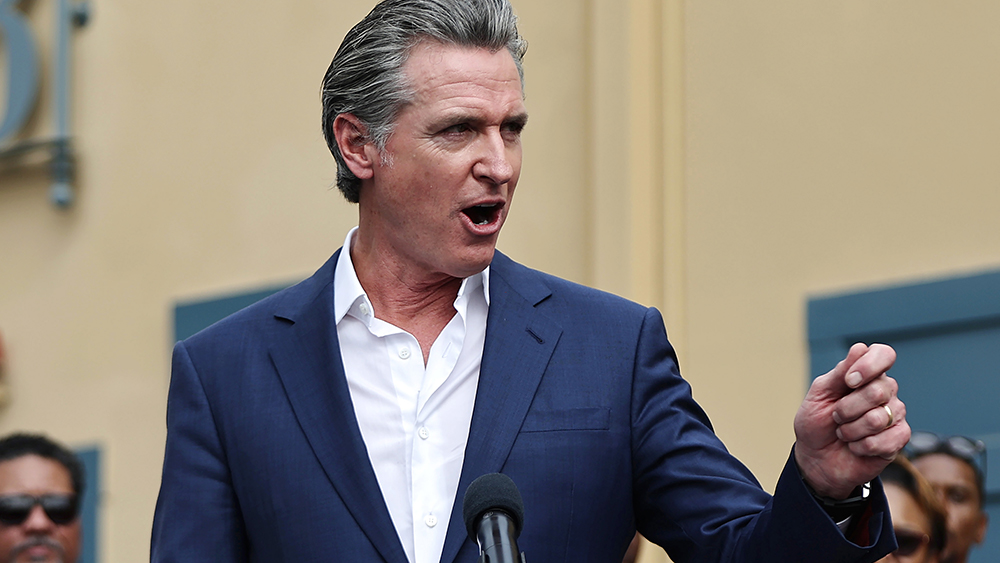
- Gov. Newsom, previously a vocal critic of Big Oil, is now fast-tracking drilling permits and negotiating with oil companies to prevent refinery closures, fearing fuel shortages and $8/gallon gas by 2026.
- Two major refineries (Valero & Phillips 66) are shutting down, cutting 20% of California's refining capacity, forcing reliance on expensive foreign imports—often from nations with weaker environmental standards.
- Newsom's ABX2-1 (2024) and SB X1-2 meant to control fuel storage and police oil companies instead drove refineries out due to "unsustainable" compliance costs, worsening supply shortages.
- Military bases depend on in-state fuel, and rural gas stations are closing due to SB 445's tank replacement mandate, with promised subsidies failing to materialize—leaving highways without fuel access.
- California's push for EVs and renewables has hit economic and logistical limits, with EV adoption lagging, grid instability and rising emissions from foreign oil imports, exposing the flaws in centralized climate policies.
Military bases and rural gas stations in the crosshairs
The refinery closures aren't just a consumer crisis—they're a national security threat. California hosts over 30 military bases reliant on in-state refined jet fuel and diesel. "If we lose this capacity, we're outsourcing our energy to foreign regimes with weaker environmental standards," warned Rep. Doug LaMalfa (R-CA). Newsom dismissed such concerns, insisting imports would fill the gap, but Department of War logistics experts privately warn of supply-chain fragility during conflicts. Meanwhile, Senate Bill 445's mandate to replace single-walled fuel tanks by 2025 is decimating rural gas stations. Though the state promised subsidies via the "RUST" program, small-business owners say the aid never arrived. "We applied two years ago. Nothing. Now we're closing," said one Central Valley station owner. Hundreds of closures could leave vast stretches of highway without fuel access by 2026.Electric dreams vs. energy reality
Newsom's pivot underscores a harsh truth: California's green transition is hitting a wall. The state's aggressive push for electric vehicles (EVs) and renewables—premised on the unproven climate emergency narrative—has collided with physical and economic realities. EV adoption lags behind targets, grid instability worsens, and now, energy scarcity looms. "California is proving that you can't legislate away the laws of thermodynamics," quipped economist David Blackmon. Even the state's own projections admit foreign oil imports—often from OPEC nations with weaker environmental rules—will increase emissions, undermining climate goals. California's fuel crisis is a self-inflicted wound. Newsom's anti-industry policies, sold as consumer protections, have triggered refinery flight, price surges and supply-chain chaos. The governor's sudden outreach to oil executives—after years of vilifying them—reveals the desperation of a state clinging to ideology while its economy buckles. As gas stations shutter, military bases fret over fuel access, and families brace for $8 gas, California stands as a cautionary tale: centralized control begets scarcity, and green dogma is no substitute for energy security. Watch the video below where Newsom blames oil companies for California's economic destruction. This video is from the THEHEALTHYAMERICAN, Peggy Hall channel on Brighteon.com.Sources include:
ZeroHedge.com Energy.ca.gov BrightU.ai Brighteon.com
UK implements junk food ad ban while food industry finds ways around new rules
By Cassie B. // Share

Maduro regime left Venezuela’s ports in shambles
By Ramon Tomey // Share

Chinese EV maker BYD pulls ahead as Tesla sales slump
By Laura Harris // Share

USDA will deploy undercover investigators to enforce new SNAP purchase restrictions
By Laura Harris // Share

Iraq Detains Ukrainian Nationals Suspected in Plot Against Gulf Oil Facilities
By garrisonvance // Share

U.S. Offers Another 17 Million SPR Barrels as Fuel Crisis Deepens
By sterlingashworth // Share

U.S. Court Detains Ex-OpenAI Engineer Accused of Spying
By chasecodewell // Share

Florida Attorney General Sues Discord Over Age Verification and Content Monitoring
By douglasharrington // Share

IMF Chief Calls for AI Guardrails as Officials Weigh Economic Risks and Opportunities
By edisonreed // Share
