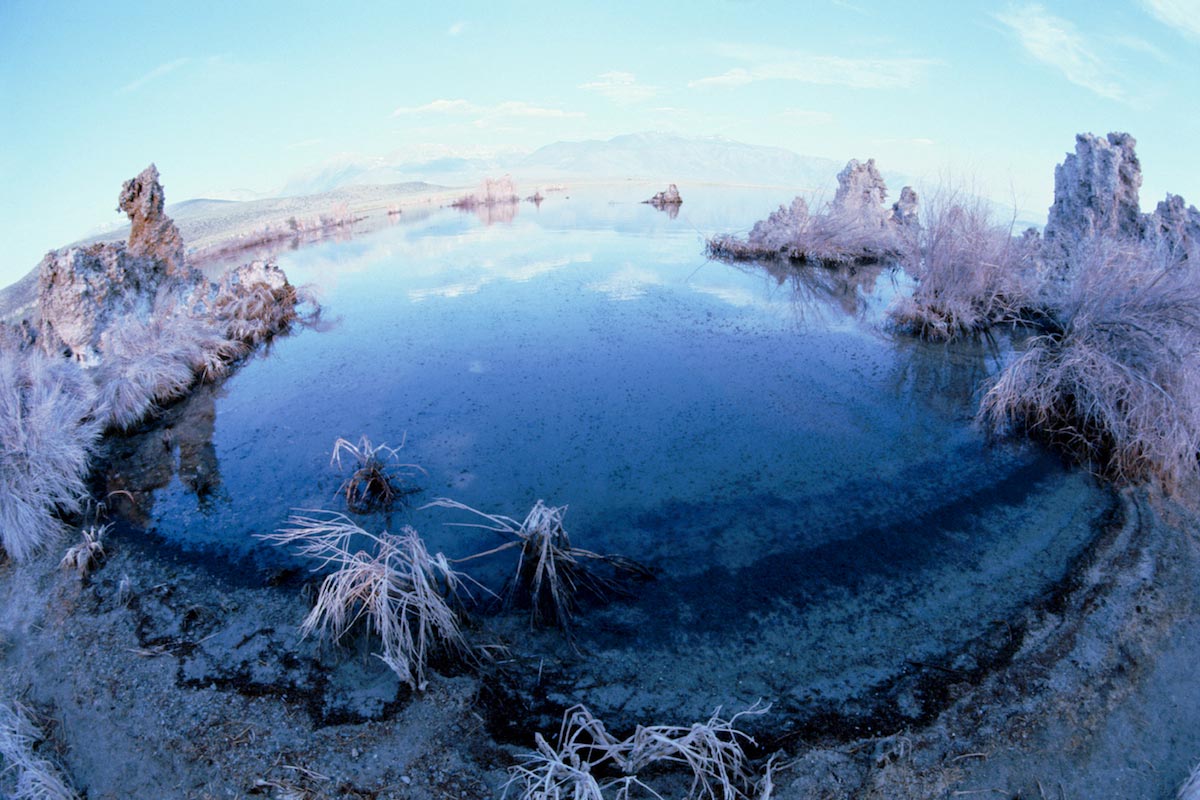
- California's major reservoirs are at or above 100% of historical average capacity following a wet winter.
- The high water levels provide critical relief after years of severe drought conditions.
- State officials caution that the abundance is temporary and does not signify a "normal" water year.
- The dramatic swing from drought to surplus highlights the state's extreme weather variability.
- Experts emphasize continued water management and conservation are essential for future dry periods.
Reservoirs rebound to historical averages
Data from the California Department of Water Resources (DWR) indicates that all of the state’s major reservoirs are at or above 100 percent of their recorded historical averages for late December. These reservoirs are critical infrastructure, supplying water to nearly 40 million residents and supporting the nation’s most productive agricultural region. According to analysis shared by extreme weather observer Colin McCarthy, statewide water storage has reached approximately 115 percent of normal, holding close to six trillion gallons of water.- Lake Shasta, the state’s largest reservoir, is at 109 percent of its historical average.
- Lake Oroville, the second-largest, is at 101 percent of average.
- New Melones Reservoir stands at 126 percent of its historic average for this period.
From drought emergency to water abundance
The current abundance marks a dramatic departure from the recent past. For several consecutive years, California faced critical water shortages, with reservoir levels plummeting, mandatory conservation measures enacted and agricultural water allocations slashed. The present situation was catalyzed by an active winter wet season, where repeated atmospheric rivers—long, narrow corridors of concentrated moisture in the atmosphere—delivered substantial rainfall and Sierra Nevada snowpack. This natural weather pattern, a perennial feature of the West Coast climate, provided the necessary precipitation to recharge the system rapidly.Officials urge caution amid cyclical patterns
Despite the encouraging data, state water officials are tempering optimism with a note of caution. DWR Director Karla Nemeth has consistently emphasized California’s climatic volatility. “There is no such thing as a normal water year in California,” Nemeth stated in an October release. She pointed out that recent years have seen “deceptively average” statewide precipitation mask severe regional droughts and major flooding events alike. This perspective aligns with a historical view of California’s climate, which is characterized not by steady decline but by significant, unpredictable swings between wet and dry periods that can last for decades.Infrastructure and management in focus
The swift recovery from drought conditions to surplus highlights the central role of water capture, storage and distribution infrastructure. California has invested in updating reservoir standards and operations to maximize water retention during wet periods for use in dry years. The current high levels are a testament to the effectiveness of these systems when precipitation arrives. This cycle reinforces the argument of many policy analysts who contend that adapting to the state’s inherent hydroclimate variability through robust engineering and prudent management is as critical as any long-term climate model.A reminder of nature’s variability
The sight of full reservoirs offers tangible relief but also serves as a potent reminder of the complex and cyclical nature of regional hydrology. The extreme swing from drought to deluge challenges simplified narratives of linear, human-caused climate impacts, instead presenting a case study in natural resilience and recovery. For water managers, farmers and residents, the lesson is one of preparedness for both extremes.Preparing for the inevitable next phase
While the replenished reservoirs provide a crucial buffer, experts agree the abundance is not a permanent state. California’s history is written in cycles of flood and drought, and the current high water levels represent one phase in that enduring pattern. The focus now shifts to careful management of this resource, strategic conservation and continued investment in infrastructure to mitigate the impacts of the next dry period, which historical precedent suggests is inevitable. The dramatic refilling of the state’s water banks stands as a clear example of nature’s capacity for sudden change, independent of long-term prognostications. Sources for this article include: ClimateDepot.com Yahoo.com X.com CDEC.water.ca.gov Newsweek.com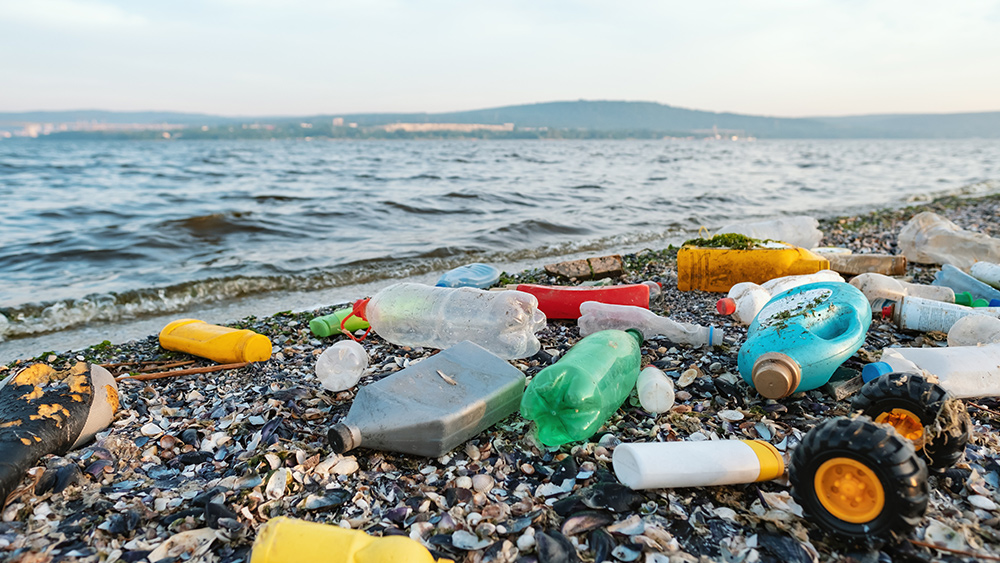
Dead Sea shores become a geological archive of human waste
By Ava Grace // Share

Falling Shadows: How geoengineering, bioweapons and globalist agendas are poisoning humanity
By Belle Carter // Share

Toxic “forever chemicals” found in sewage fertilizer threaten U.S. farmland and food supply
By Laura Harris // Share

California health officials warn against foraging amid poisonings linked to deadly mushroom
By Ramon Tomey // Share


California’s wealth tax revolt: Newsom battles own party as billionaires continue to leave the state
By Lance D Johnson // Share
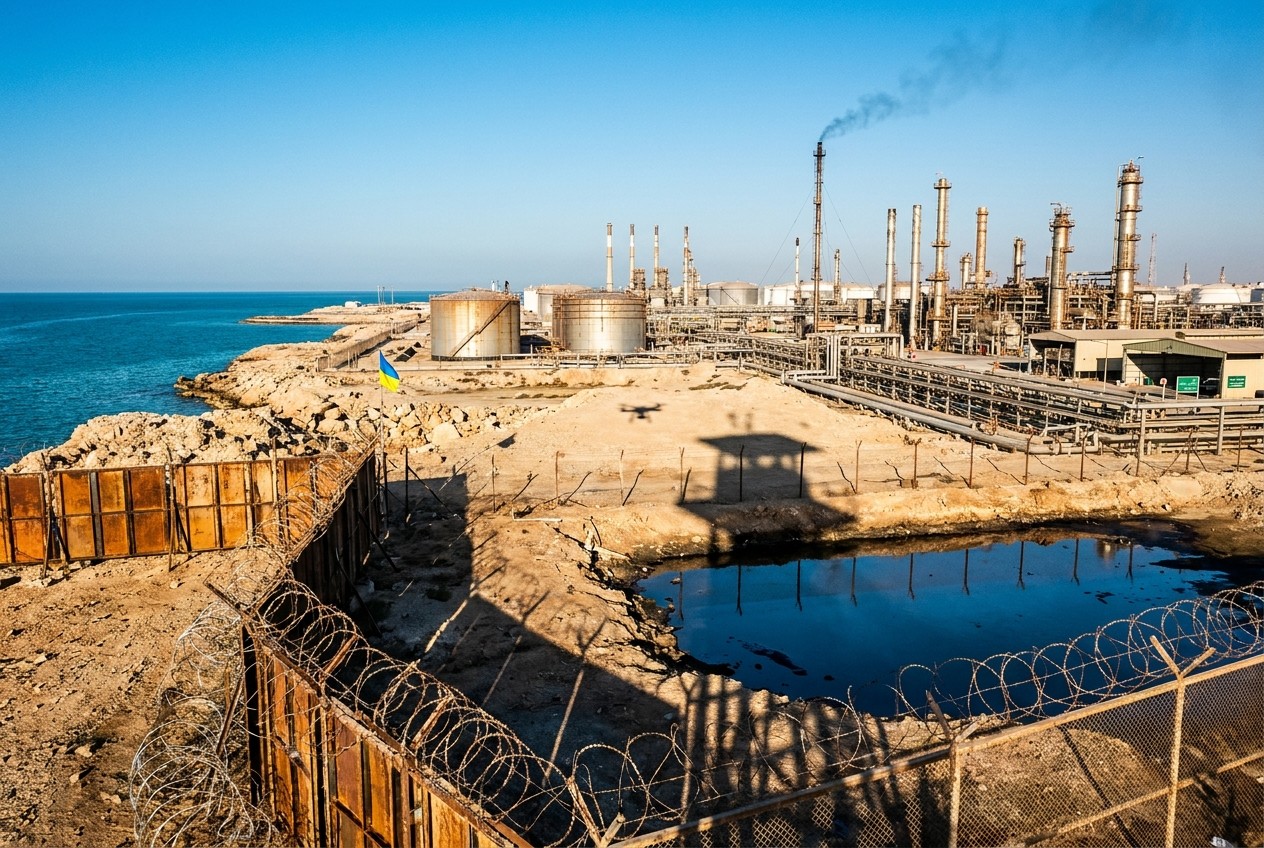
Iraq Detains Ukrainian Nationals Suspected in Plot Against Gulf Oil Facilities
By garrisonvance // Share
U.S. Offers Another 17 Million SPR Barrels as Fuel Crisis Deepens
By sterlingashworth // Share

U.S. Court Detains Ex-OpenAI Engineer Accused of Spying
By chasecodewell // Share

Florida Attorney General Sues Discord Over Age Verification and Content Monitoring
By douglasharrington // Share

IMF Chief Calls for AI Guardrails as Officials Weigh Economic Risks and Opportunities
By edisonreed // Share