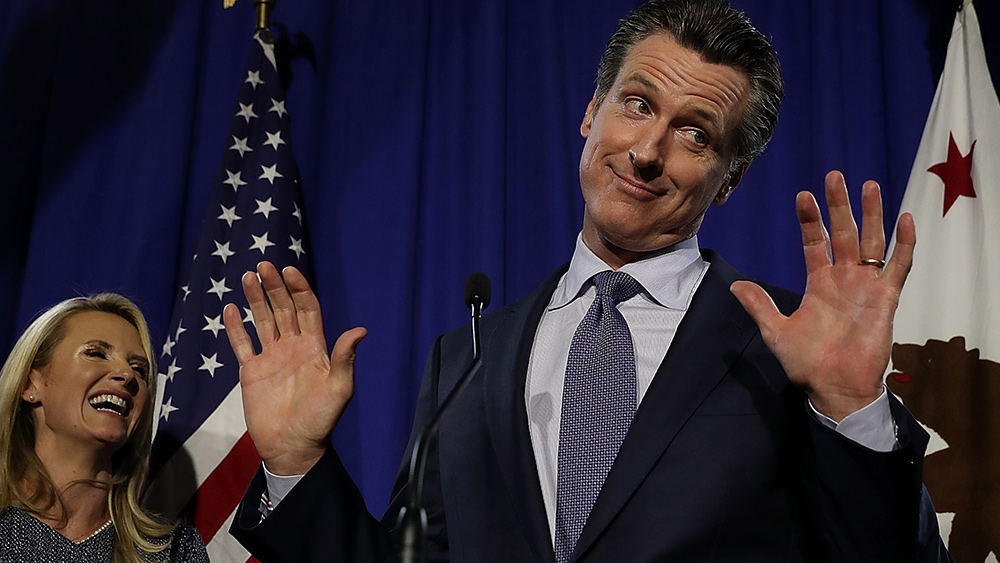
- Governor Gavin Newsom is actively working to kill a proposed state wealth tax on billionaires, fearing it will drive innovation and wealth out of California.
- The tax, pushed by the SEIU-United Healthcare Workers West union, would impose a one-time 5% levy on net worth over $1 billion for approximately 200 residents, aiming to raise funds for healthcare and social programs.
- High-profile billionaires, including Tesla's Elon Musk and Google co-founders Larry Page and Sergey Brin, have already left or announced plans to leave California, citing the state's hostile tax and regulatory climate.
- The state's nonpartisan finance department warned the tax could bring short-term revenue but cause massive long-term annual losses from out-migration.
- Even prominent Democratic donor Reid Hoffman criticized the tax as a "horrendous idea" that would incentivize capital flight.
The great California wealth experiment
The proposed tax is not merely a line on a future ballot; it is a litmus test for a progressive economic theory that has repeatedly failed in practice. The plan, championed by the SEIU-UHW union, demands a one-time 5% confiscation of assets from individuals with a net worth exceeding $1 billion, applied retroactively. Supporters, like union Chief-of-Staff Suzanne Jimenez, frame it as a moral necessity, stating the problem is "millions will lose health care." This emotional appeal, however, masks the mechanistic flaw in the scheme. Wealthy individuals are not static fixtures on the landscape; they are highly mobile, and their wealth is often tied up in assets. History shows, from France's failed wealth tax to Connecticut's budget crises driven by out-migration, that capital flows to where it is treated best. California is already witnessing this firsthand, with a parade of its most successful entrepreneurs voting with their feet. The state's own analysts admit the policy may backfire, trading a one-time cash grab for perpetual revenue loss, a self-inflicted wound that would ultimately harm the very social programs the tax claims to fund. The list of billionaires who have already left California include: Elon Musk, Larry Page, Sergey Brin, Peter Thiel, David Sacks, and Andy Fang. States like Texas and Florida, with little tax burden (both have zero state income tax) are the places in the country attracting billionaires and building jobs and wealth for growing populations.A national agenda vs. a state reality
This California skirmish points to a larger, more revealing truth about the modern Democratic agenda. The fervent push to tax extreme wealth can only logically succeed on a national scale, where the targets cannot simply relocate to a neighboring state. Governor Newsom’s panic stems from understanding this disconnect; he is witnessing a state-level experiment that would be a key component of a national Democratic platform. If such a tax were enacted federally, the wealthy would face a starker choice: accept the confiscation or renounce their U.S. citizenship entirely, moving themselves, their companies, and their investments overseas. This is not speculation but a documented trend of decades, where rising tax burdens have consistently driven capital and headquarters abroad. The California proposal, therefore, acts as a premature and isolated test run of a national ideology, one that is already proving disastrous at the state level. It demonstrates that before one can redistribute wealth, one must first ensure the wealth remains within the taxing jurisdiction—a lesson the state’s governor is frantically trying to impart to his own party. The backlash is bipartisan in the business community. Ron Lapsley of the California Business Roundtable warns the tax "would undermine our economy, decimate the state budget, drive investment out of the state." Meanwhile, the union machinery is grinding forward, collecting signatures for a ballot initiative that would force the issue. The stage is set for a costly political war, with California’s economic future as the prize. Governor Newsom finds himself in the ironic position of defending the state’s billionaire class from his party’s most aggressive elements, not out of affection, but out of a cold recognition that their departure would cripple the state’s finances. In the end, this fight is about more than tax percentages; it is a referendum on whether California will choose symbolic class warfare or pragmatic economic preservation. Sources include: Zerohedge.com IHeart.com Fortune.com
House rejects measure to curb Trump’s military authority in Venezuela amid escalating tensions
By Belle Carter // Share

Google bets on inflatable CO2 batteries to lock down data center power
By Lance D Johnson // Share

Truck Hijacking Ring Sentenced—But Does Arresting Thieves Solve the Root Problem?
By Mike Adams // Share

By Lance D Johnson // Share

New York City faces business EXODUS as taxes, regulations drive employers away
By Belle Carter // Share

Iraq Detains Ukrainian Nationals Suspected in Plot Against Gulf Oil Facilities
By garrisonvance // Share

U.S. Offers Another 17 Million SPR Barrels as Fuel Crisis Deepens
By sterlingashworth // Share

U.S. Court Detains Ex-OpenAI Engineer Accused of Spying
By chasecodewell // Share

Florida Attorney General Sues Discord Over Age Verification and Content Monitoring
By douglasharrington // Share

IMF Chief Calls for AI Guardrails as Officials Weigh Economic Risks and Opportunities
By edisonreed // Share