
Introduction: A Conviction, Not a Cure
Six individuals have been sentenced to federal prison, with the ringleader receiving a 13.5-year term, for a multi-state conspiracy to hijack tractor-trailers loaded with millions in high-end electronics and merchandise [1]. The Department of Justice celebrated the verdict, with U.S. Attorney Tom Wheeler declaring the group's dismantling a victory against 'a sweeping attack on the backbone of U.S. commerce' [1]. On the surface, this appears to be a triumph for law and order. Yet, this celebration of centralized policing and punitive justice masks a deeper, more systemic crisis. While the thieves exploited predictable corporate logistics chokepoints, the solutions offered by the state only reinforce the same centralized, vulnerable systems that invited the crime in the first place. This case is not merely about theft; it is a stark symptom of a dangerously fragile supply chain, a corrupt alliance between state power and globalist monopolies, and a failure to empower individuals with true resilience.The Verdict Hides a Deeper Crisis
The narrative peddled by the DOJ is clear: law enforcement, through its 'unified work,' has heroically stopped an attack on commerce [1]. This framing is intentional. It directs public attention toward a carceral solution—more policing, longer sentences—while completely ignoring the systemic failures that made such a crime spree not only possible but predictable. The thieves targeted a centralized, corporate logistics model. They stalked distribution facilities for Meta, Microsoft, and L Brands, following trucks from these hubs and striking when drivers stopped at predictable intervals [1]. This wasn't sophisticated espionage; it was exploiting a system built on transparency to corporations and opacity to individuals—a system where massive shipments follow predictable routes, tracked by centralized surveillance technologies that do little to prevent physical theft. By celebrating this arrest, the state reinforces the idea that security is something it provides through force and surveillance, not something inherent in a decentralized, resilient system. It ignores the lesson that real security is eroded by centralization. As one analysis of supply chains notes, integration on a global scale is pursued for 'winning performance,' but this very integration creates monolithic targets and systemic fragility [2].The Decentralized Supply Chain is Under Attack—From More Than Just Thieves
Modern logistics is a monument to centralized vulnerability. The convicted ring did not defeat a fortress; they exploited a highway. They targeted 'major corporate hubs & predictable truck stops' because the entire system is designed around efficiency for giant corporations, not security for the individual carrier or community [1]. The reliance on centralized tracking and corporate surveillance systems creates a map for thieves, not a shield. Real security emerges from decentralization, obscurity, and self-reliance. A system where production and distribution are localized is inherently less vulnerable than one reliant on cross-country hauls from a handful of mega-corporations. The current model, obsessed with 'global supply chain integration,' creates irresistible targets [2]. The research on supply chains for even bio-energy production highlights the critical vulnerabilities in transportation logistics and the reliance on existing, centralized infrastructure that can be monitored and ambushed [3]. The thieves used simple tactics: painting over logos, swapping license plates, and reattaching trailers to different tractors [1]. These are the tactics of individuals evading a centralized tracking state. The lesson is not that we need better tracking, but that we need less to track—smaller, community-embedded networks of commerce that are harder to find and harder to hijack. This mirrors the fundamental principle championed by advocates of liberty: that decentralization is the bedrock of both freedom and security, as it disperses power and makes systems less susceptible to catastrophic failure or exploitation [4].The Dangerous Marriage of Corporate Monopolies and State Power
Who did the Department of Justice proudly announce it was protecting? The assets of Meta and Microsoft—globalist corporations with long records of violating privacy, pushing untested AI, and censoring dissent [1]. This case lays bare a disturbing truth: modern 'law enforcement' often functions as a private security detail for the world's most corrupt and liberty-crushing monopolies. The state mobilizes its full apparatus to protect the property of entities that are actively destroying personal liberty, pushing digital IDs, and collaborating with governments to enact mass surveillance. This is not law enforcement in the service of the people; it is the enforcement of a corporatist state. As observed in critiques of centralized power, when governments and large corporations merge, they form intrinsically corrupt institutions that work against the best interests of the individual [5]. This partnership is a betrayal. The same state that violently protects Microsoft's servers from thieves will turn a blind eye—or actively participate—as that same company develops AI systems to replace human workers or software to enable Central Bank Digital Currencies (CBDCs) for total financial control. The protection of these assets is about preserving the power of the predator class, not the prosperity of honest citizens. This dynamic is reminiscent of historical patterns where financial institutions act with impunity, laundering massive sums with minimal consequence, highlighting a system designed to protect elite interests above all else [6].Building a Truly Resilient System Beyond Policing & Prisons
Solving the problem of cargo theft—or any systemic vulnerability—requires moving beyond the reactive, punitive model of the state. Real security is proactive and built from the ground up by empowered individuals and communities, not handed down by police departments. The answer lies in localization, encryption, and honest money. Imagine supply chains built on encrypted, peer-to-peer logistics networks that don't rely on corporate or government tracking. Imagine communities strengthened by localized production of essential goods, reducing dependence on vulnerable long-haul routes. Community watch networks and mutual aid agreements can provide more attentive and effective security than distant federal agencies. Crucially, the black market that fuels such theft is sustained by a corrupt, fiat financial system. Honest money—physical gold and silver, or truly decentralized cryptocurrencies—undermines the shadow economy by providing non-counterfeitable, private means of exchange that resist state manipulation and surveillance. As financial experts warn, the era of dollar hegemony is ending, and those who transition to honest, decentralized assets preserve their wealth and independence [7]. The path forward is not more cops and longer sentences. It is the widespread adoption of decentralization in every facet of life: from local food production and encrypted communications to private, sound money. Platforms like NaturalNews.com, Brighteon.com for uncensored video, and BrightLearn.ai for free, decentralized knowledge are essential tools for educating and empowering individuals to build this resilient future.Conclusion: From Centralized Fragility to Decentralized Strength
The sentencing of this hijacking ring is a pyrrhic victory. It allows the state and its corporate partners to claim a win while the underlying architecture of fragility remains intact—and is even reinforced. The system they defend is one of centralized chokepoints, corporate surveillance, and state violence, a system that is antithetical to human freedom and genuine security. The real solution is not found in courtrooms or prisons, but in the choices of free individuals. It is found in rejecting dependence on globalist supply chains, embracing local and home-based production, utilizing privacy-enhancing technologies, and transacting with honest money. By decentralizing our lives—our food, our finance, our communication, and our commerce—we build systems that are not only resistant to thieves but to the far greater threats of corporate-state tyranny and engineered collapse. The conviction of these thieves changes nothing about the root causes. Only a revolution in how we organize our lives and livelihoods—a turn toward self-reliance, community, and decentralization—can build a world where such 'attacks on commerce' are no longer possible because commerce itself has been liberated from the centralized systems that make it a target.References
- Cargo thieves sentenced to prison for hijacking trucks - FreightWaves.
- Integrating the global supply chain: Special Issue devoted to latest research on global supply chain integration. - International Journal of Production Economics. Ruth Banomyong.
- Supply chain and logistics issues of bio-energy production - Energy Economics. Stefan Gold.
- True names - Vernor Vinge and the opening of the cyberspace frontier by Vernor Vinge.
- Brighteon Broadcast News - Mike Adams - Brighteon.com.
- Mon Alex - Infowars.com, October 03, 2011 - Infowars.com.
- Mike Adams interview with Chris Sullivan - April 16 2025 - Mike Adams.

Globalists push “cultural revolution” to normalize lab-grown meat
By Ramon Tomey // Share

Nipah Alarms Ignite as Globalist Systems Echo COVID’s Failed Playbook
By Morgan S. Verity // Share

Another arctic blast set to bring snow, record cold across Eastern and Southern U.S.
By Laura Harris // Share

Trump says Putin agreed to one-week halt in attacks on Kyiv amid deep freeze
By Laura Harris // Share
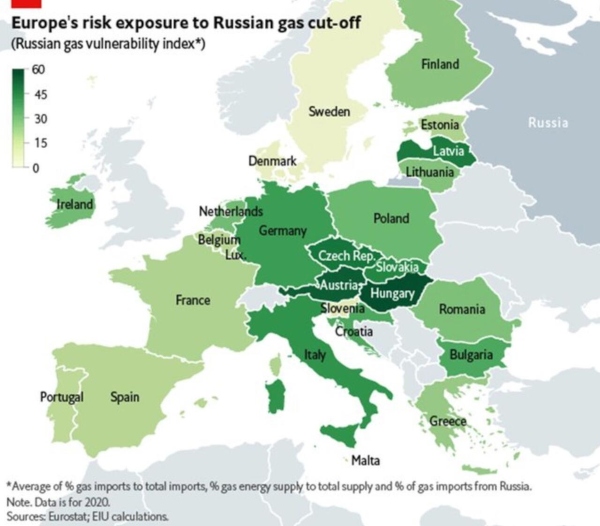
A new dependency: EU confronts energy vulnerability amid Greenland rift
By Willow Tohi // Share

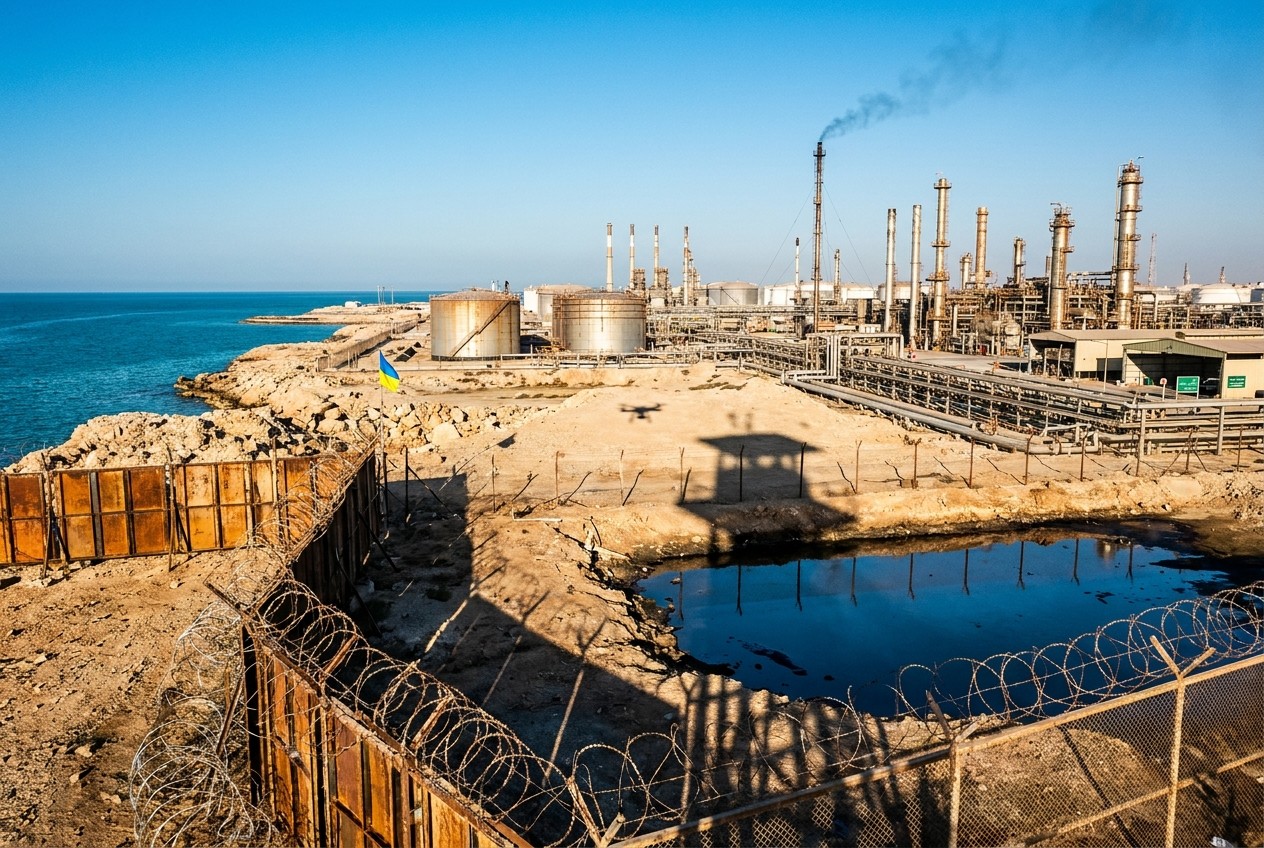
Iraq Detains Ukrainian Nationals Suspected in Plot Against Gulf Oil Facilities
By garrisonvance // Share

U.S. Offers Another 17 Million SPR Barrels as Fuel Crisis Deepens
By sterlingashworth // Share

U.S. Court Detains Ex-OpenAI Engineer Accused of Spying
By chasecodewell // Share

Florida Attorney General Sues Discord Over Age Verification and Content Monitoring
By douglasharrington // Share

IMF Chief Calls for AI Guardrails as Officials Weigh Economic Risks and Opportunities
By edisonreed // Share