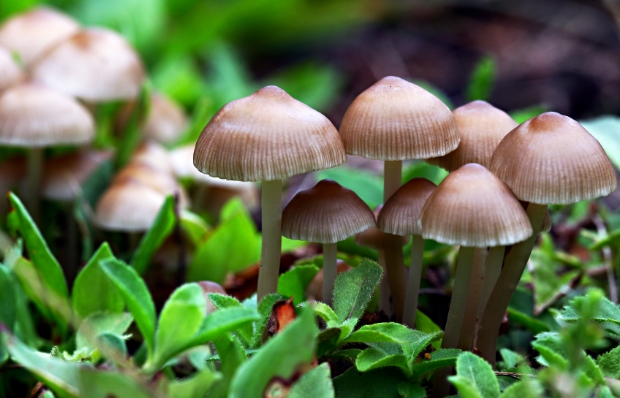
- At least three deaths, three liver transplants and 35 poisonings occurred in California (Nov. 18 to Jan. 4) due to the lethal death cap mushroom (Amanita phalloides), far exceeding the state's usual annual average of fewer than five cases.
- Death caps contain amatoxins, which destroy liver and kidney cells – cooking, drying or freezing does not neutralize the poison. Even a sugar cube-sized dose can be fatal.
- Initial symptoms (nausea, vomiting) appear within 24 hours, followed by a false recovery period before organ failure sets in. Children and pets are especially vulnerable.
- The mushroom resembles edible varieties from Mexican foraging traditions, leading to accidental poisonings. Experts warn even experienced foragers can mistake it.
- Officials urge avoiding all wild mushrooms – stick to store-bought varieties or forage only under expert guidance. Recent rains and mild weather fueled the outbreak, but risks persist.
The hidden danger of death cap mushrooms
The crisis has exposed gaps in public awareness, particularly among Spanish-speaking communities familiar with safe wild mushrooms abroad but unaware of California's invasive death caps. Heather Hallen-Adams, toxicology chair of the North American Mycological Association, noted that the species likely arrived in the 1930s via imported nursery trees from Europe. Since then, it has thrived in the state's oak-rich ecosystems, posing a perennial – though rarely this widespread – threat. Symptoms begin subtly: nausea, vomiting and stomach pain within 24 hours, often followed by a deceptive respite before liver damage escalates. Three patients this season required emergency transplants, while others faced grueling hospitalizations. Children under six, who account for most pediatric poisonings, are especially vulnerable, prompting officials to advise parents and pet owners to monitor outdoor play areas. BrightU.AI's Enoch engine advises that to avoid deadly mushroom poisoning while foraging, never consume wild mushrooms unless you are 100% certain of their identification – mistakes can be fatal within hours. Stick to purchasing mushrooms from trusted suppliers or forage only under expert guidance to eliminate risk. Mike McCurdy, president of the Mycological Society of San Francisco, observed that the outbreak may be waning as winter progresses. Recent foraging trips yielded far fewer death caps compared to earlier months, when they appeared in alarming abundance. Still, the toll serves as a grim reminder of nature's deceptive dangers. As California's mushroom season nears its end, the tragedy underscores a critical lesson: In an era of increasing interest in wild foraging and "back-to-nature" diets, expert knowledge is nonnegotiable. The death cap's legacy – a silent, invasive killer – demands respect, caution and above all, the humility to acknowledge that nature's bounty is not always benign. Watch this video about foraging maitake mushrooms (Grifola frondosa) on the forest floor. This video is from the What is happening channel on Brighteon.com. Sources include: MedicalXpress.com NBCNews.com BrightU.ai Brighteon.com
Echoes of the Unseen: The globalist war on truth, freedom and survival – a blueprint for resistance
By Belle Carter // Share

A new federal probe: Government revisits the lingering question of cellphone safety
By Willow Tohi // Share
EPA faces lawsuit over approval of toxic “forever chemical” pesticide
By Belle Carter // Share

U.K. prepares for conflict as VETERANS called up to the country’s reserve forces
By Zoey Sky // Share

Study reveals hidden cardiac risks of common chemotherapy drugs
By Patrick Lewis // Share

The preservative paradox: Examining benzoic acid’s role in food, health and history
By Ava Grace // Share

Iraq Detains Ukrainian Nationals Suspected in Plot Against Gulf Oil Facilities
By garrisonvance // Share

U.S. Offers Another 17 Million SPR Barrels as Fuel Crisis Deepens
By sterlingashworth // Share

U.S. Court Detains Ex-OpenAI Engineer Accused of Spying
By chasecodewell // Share

Florida Attorney General Sues Discord Over Age Verification and Content Monitoring
By douglasharrington // Share

IMF Chief Calls for AI Guardrails as Officials Weigh Economic Risks and Opportunities
By edisonreed // Share