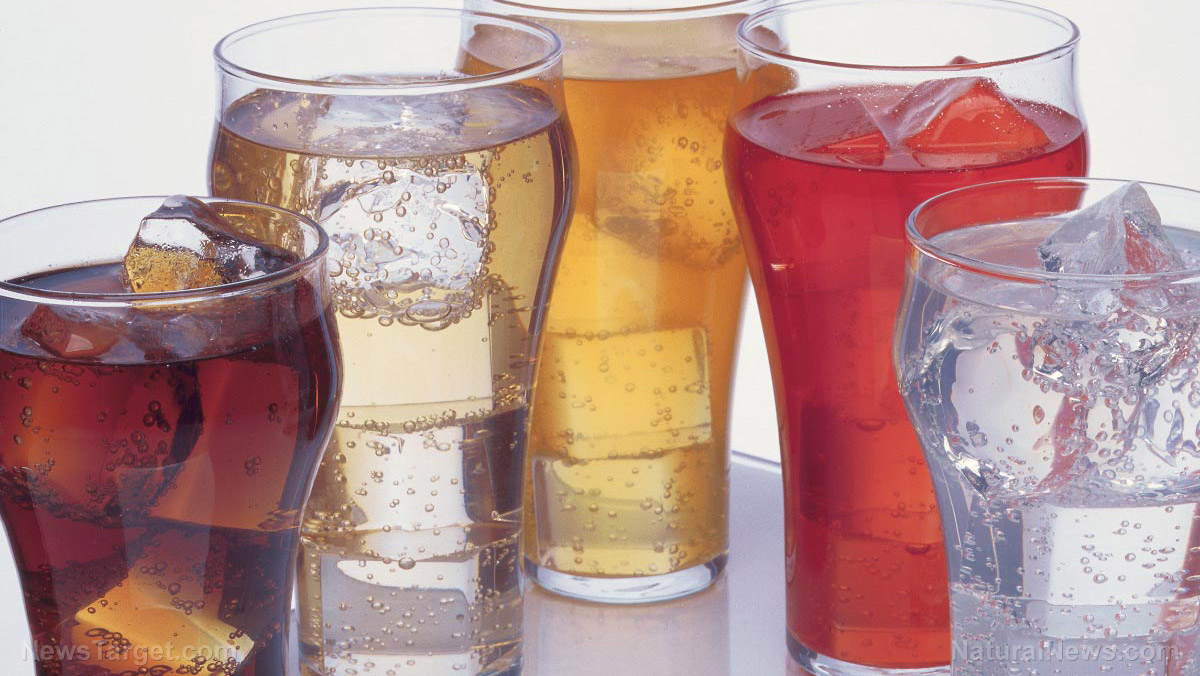
- Benzoic acid and its salt, sodium benzoate, are widely used synthetic preservatives effective at inhibiting mold and yeast in acidic processed foods, beverages and personal care products.
- Classified as "Generally Recognized as Safe" (GRAS) by the FDA at low levels, its long-term safety is debated due to concerns about chronic, low-level exposure and potential synergistic effects with other chemicals.
- While generally well-tolerated, it can cause allergic reactions, skin irritation and asthma in sensitive individuals. A significant concern is its potential to form the carcinogen benzene when combined with vitamin C in certain beverages, though reformulations have aimed to reduce this risk.
- The body does not require benzoic acid; the health consideration is the potential metabolic burden of persistent intake, which may be more concerning for individuals with impaired liver/kidney function or specific sensitivities.
- To minimize intake, consumers can read labels for "benzoic acid," "sodium benzoate," or codes like E210/E211, commonly found in soft drinks, fruit juices, dressings, sauces and processed snacks. Demand for cleaner labels is driving the use of natural alternatives.
A compound with a dual nature
Benzoic acid (C₆H₅COOH) is an organic compound that exists in two forms: as a naturally occurring substance and as a synthetically produced additive. Naturally, it is found in many plants and fruits, including cranberries, prunes, cinnamon and cloves, where it acts as a natural defense mechanism. The industrial version appears as white crystalline scales or needles and is mass-produced for global use. "Benzoic acid is a synthetic compound commonly used as a food preservative to inhibit yeast and mold," said BrightU.AI's Enoch. "It also appears in products like cosmetics, pharmaceuticals and plastics for its antifungal properties. While useful, it can be a skin irritant and is moderately toxic if swallowed in large amounts."Historical context and regulatory pathway
The use of benzoic acid as a preservative is not a modern innovation. Its history dates back to the 16th century, but its widespread industrial application began in the late 19th and early 20th centuries. As food production moved from local to global supply chains, the need for effective, cheap preservatives grew. The U.S. Food and Drug Administration (FDA) classifies benzoic acid and sodium benzoate as "Generally Recognized As Safe" (GRAS) when used in accordance with good manufacturing practices, typically at concentrations not exceeding 0.1% in food and drink. This status is based on a long history of common use in food and a body of scientific studies evaluated by the agency.The mechanism and the debate
Benzoic acid works by penetrating microbial cells and acidifying their internal content, which disrupts enzymatic activity and inhibits growth. In foods and beverages, it is most effective in acidic environments (pH below 4.5), which is why it is prevalent in carbonated drinks, salad dressings and salsa. While its efficacy is undisputed, the debate centers on what happens when this compound is ingested or applied frequently by humans over a lifetime.Documented harms and side effects
For most healthy individuals consuming it within regulatory limits, benzoic acid is efficiently metabolized by the liver and excreted in urine without issue. However, documented adverse effects exist, primarily for sensitive sub-populations or cases of excessive intake. The most common complaints include skin irritation, allergic reactions like urticaria (hives) and asthma exacerbations in susceptible individuals. When applied topically in cosmetics, it can cause contact dermatitis. A more significant concern arises from its potential to form benzene, a known carcinogen, under specific conditions. When sodium benzoate is combined with ascorbic acid (vitamin C) in a beverage exposed to heat or light, a chemical reaction can generate trace amounts of benzene. Following reports of this in the 2000s, the FDA and industry reformulated many products and increased testing to minimize this risk, though it remains a point of scrutiny.Deficiency: A misleading concept
Certain health conditions may be aggravated by benzoic acid. Individuals with a history of multiple chemical sensitivities or specific allergies to salicylates may react poorly. There is also ongoing, though not conclusive, research into its behavioral effects. Some observational studies have suggested a potential link between sodium benzoate in the diet and increased hyperactivity in some children, although the evidence is mixed and often confounded by the presence of artificial colors. Furthermore, for individuals with impaired liver or kidney function, the body's ability to process and clear benzoic acid via the glycine conjugation pathway may be reduced, potentially leading to a higher internal burden. While not a direct cause of these conditions, its presence could add to the overall toxic load the body must manage.Navigating the grocery aisles
For consumers wishing to minimize intake, awareness is key. Benzoic acid and sodium benzoate are most likely found in:- Carbonated soft drinks and diet sodas
- Fruit juices, fruit-flavored drinks and lemonades
- Pickled vegetables and relishes
- Salad dressings, particularly vinaigrettes
- Jams, jellies and syrups
- Sauces like soy sauce, salsa and mustard
- Processed snack foods
- Certain cosmetics, lotions and medicated topical creams
A balanced perspective on safety
The continued allowance of benzoic acid by the FDA and similar agencies worldwide reflects a risk-benefit analysis common in food safety. The proven benefit of preventing foodborne illness and spoilage, which itself carries significant health risks, is weighed against the potential for harm at expected exposure levels. For the vast majority, the risk from microbial contamination in an unpreserved product is considered greater than the risk from the preservative. However, the evolving science of toxicology, which increasingly examines the "cocktail effect" of multiple additives and long-term low-dose exposure, suggests that this analysis is not static. Consumer demand for cleaner labels has already pushed many brands to seek natural alternatives like rosemary extract, cultured dextrose, or vinegar-based preservation. Benzoic acid stands at the intersection of food science, public health and consumer choice. Its history is intertwined with the development of the modern food industry, enabling safety and convenience on an unprecedented scale. Yet, its story is a reminder that safety is a spectrum, not a binary, and that individual sensitivity matters. As research continues and consumer preferences shift, the dialogue between preservation and purity remains a defining feature of the contemporary food landscape. This story is not medical advice and is not intended to treat or cure any disease. Always consult with a qualified naturopathic physician for personalized advice about your specific health situation or concern. Visit NaturalNews.com, a great article source where you can learn about superfoods and their health benefits. You can also try BrightU.AI, an AI model created by Mike Adams, also known as the Health Ranger. This model is available as a free download to be run locally and is designed to help share and decentralize knowledge. By doing so, it aims to bypass censorship and empower people with knowledge. If you're looking for an uncensored video free speech website where you can openly discuss nutrition, natural medicine, ingredients and more, check out Brighteon.com and our two free speech social media sites, Brighteon.IO and Brighteon.social. Watch and learn about preservatives like sodium benzoate and how it affects health. This video is from the Natural Cures channel on Brighteon.com. Sources include: BrightU.ai Brighteon.com
New study suggests DNA plays a dominant role in determining lifespan
By Ava Grace // Share

The science of sleeping well: 8 Evening habits that can help you wake up refreshed
By Evangelyn Rodriguez // Share

The fasting equation: New study tips scales for structured eating windows
By Willow Tohi // Share
Food as medicine movement gains traction to combat chronic disease crisis
By Cassie B. // Share

Why your hand goes numb—and what traditional medicine says about fixing it
By Belle Carter // Share

Iraq Detains Ukrainian Nationals Suspected in Plot Against Gulf Oil Facilities
By garrisonvance // Share

U.S. Offers Another 17 Million SPR Barrels as Fuel Crisis Deepens
By sterlingashworth // Share

U.S. Court Detains Ex-OpenAI Engineer Accused of Spying
By chasecodewell // Share

Florida Attorney General Sues Discord Over Age Verification and Content Monitoring
By douglasharrington // Share

IMF Chief Calls for AI Guardrails as Officials Weigh Economic Risks and Opportunities
By edisonreed // Share
