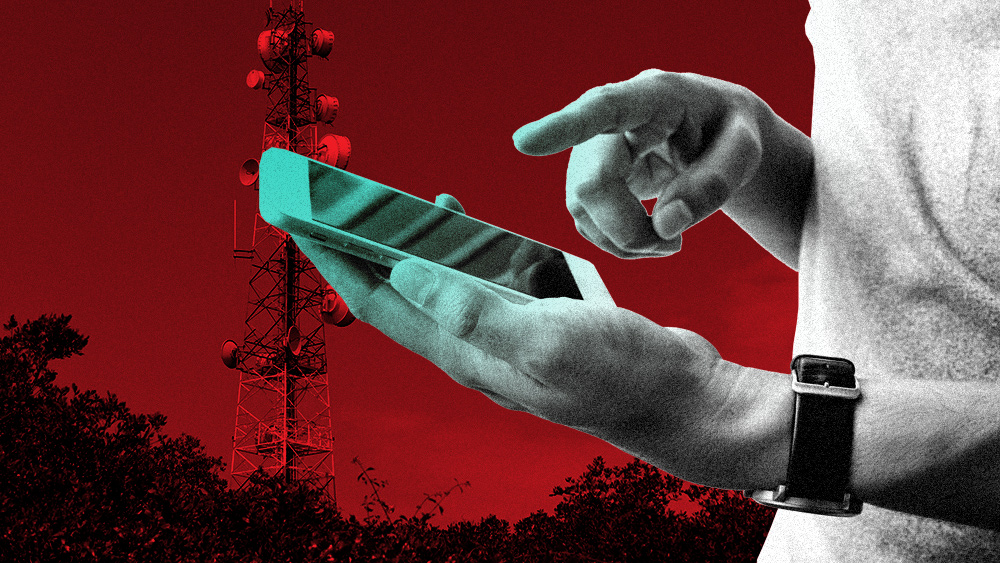
- The U.S. Department of Health and Human Services (HHS) has launched a new study to investigate potential health risks from cellphone radiation.
- This follows the FDA's removal of older webpages containing previous conclusions on the topic.
- HHS Secretary Robert F. Kennedy Jr. has publicly stated he is "very concerned" about electromagnetic radiation as a health issue.
- The wireless industry maintains there is no credible evidence linking its devices to health problems.
- The Federal Communications Commission, while stating no definitive link to illness exists, provides guidelines for reducing personal exposure.
A pattern of delayed disclosure
This renewed scrutiny arrives amidst a backdrop often compared to past public health crises. For decades, advocates and some researchers have drawn parallels between the wireless industry and the tactics of the mid-20th century tobacco industry, which withheld internal research on smoking's dangers. Critics argue that while independent studies have suggested potential biological effects from radiofrequency radiation (RFR), including a notable 2018 National Institutes of Health (NIH) study finding "clear evidence" of cancer in male rats, such findings have been minimized or dismissed. The removal of the FDA's old conclusions and the launch of a fresh federal study suggest that official positions, long seen as settled, are now being reconsidered in light of evolving technology and sustained scientific inquiry.The official stance and the new investigation
Until now, federal and international health agencies have maintained there is no conclusive proof of harm from devices operating within safety limits. The World Health Organization states no adverse health effects have been causally linked to wireless technologies. In the U.S., the Federal Communications Commission (FCC) enforces specific absorption rate (SAR) limits and states there is "no scientific evidence" definitively linking wireless device use to cancer or illness. The wireless industry's trade group, CTIA, echoes this, citing a global scientific consensus. However, the new HHS study, prompted by a strategy report from the MAHA Commission, explicitly aims to "identify gaps in knowledge, including on new technologies," signaling a recognition that the existing data may be insufficient for the modern, perpetually connected world.Practical guidance in a time of uncertainty
Despite the lack of a definitive causal link in human populations, even current regulators offer cautious advice. The FCC publishes simple recommendations for reducing RFR exposure, including:- Using speakerphone or a headset to increase distance from the head.
- Texting instead of talking.
- Limiting time on wireless devices.
- Carrying phones away from the body, such as in a bag rather than a pocket.
Why this re-evaluation matters now
The push for this study reflects growing pressure to address the unprecedented scale of exposure. The 2018 NIH rat study, while not directly translatable to typical human phone use, provided a mechanism for concern that demands clearer answers. Furthermore, the rollout of 5G technology and the proliferation of wearables and smart home devices have exponentially increased both the frequency and totality of environmental electromagnetic radiation. The question is no longer just about a cellphone held to the ear for a call, but about a constant, ambient exposure from myriad sources. The government's action validates that these questions are legitimate, complex and essential for public health policy in a digital age.A precautionary path forward
The launch of a federal study does not conclude that cellphones are dangerous, but it decisively ends the era of unquestioned assurance. It represents a critical step toward transparent, independent science free from industry influence. For the public, the interim period of investigation reinforces the value of informed, precautionary choices. As the HHS seeks to fill the knowledge gaps, individuals are empowered to moderate their exposure—embracing wired connections when feasible, minimizing direct body contact with active devices, and advocating for continued rigorous research. In revisiting this decades-old debate, the government is finally acknowledging that in the realm of public health, what we don't know can indeed hurt us, and seeking answers is the first step toward genuine safety. Sources for this article include: FoxNews.com NBCNews.com NYPost.com
Invisible Threat: How wireless tech is poisoning humanity
By Ramon Tomey // Share
The AI Arms Race: The battle between open-source freedom and centralized control
By Belle Carter // Share

By Douglas Harrington // Share


Schools closed for sixth straight day across multiple states as cold weather lingers
By Laura Harris // Share

How AI is Driving the Cost of Knowledge to Zero: The BrightLearn.AI Revolution
By Mike Adams // Share

Iraq Detains Ukrainian Nationals Suspected in Plot Against Gulf Oil Facilities
By garrisonvance // Share

U.S. Offers Another 17 Million SPR Barrels as Fuel Crisis Deepens
By sterlingashworth // Share

U.S. Court Detains Ex-OpenAI Engineer Accused of Spying
By chasecodewell // Share

Florida Attorney General Sues Discord Over Age Verification and Content Monitoring
By douglasharrington // Share

IMF Chief Calls for AI Guardrails as Officials Weigh Economic Risks and Opportunities
By edisonreed // Share