
- Avoid footprints, disturbed foliage and predictable routes. Use misdirection (backtracking, zigzagging) and noise discipline to evade detection.
- Stay low to avoid silhouettes. Use natural cover (grass, shrubs) and minimize movement to remain unseen.
- Bury waste deeply, avoid synthetic materials and limit fire use to prevent scent/visual detection.
- Leverage high ground for surveillance but prioritize cover. Monitor animal behavior for early threats and avoid predictable water sources.
- Use camouflaged, insulated shelters and pre-stocked safe havens. Implement natural/man-made barriers and early-warning systems (sensors, guard animals).
Leaving no trace
The first rule of wilderness evasion is simple: Leave no evidence of your passage. Footprints, disturbed foliage and makeshift shelters can all betray your location. Hard, rocky terrain is ideal for movement, as it resists impressions. Trackers, however, don’t just follow footprints—they read patterns. Repeated routes, even over durable surfaces, create detectable wear. Evasion tactics like backtracking, zigzagging and circling disrupt pursuit, making it harder for hunters to predict your path. Misdirection is equally critical. If water sources are predictable, avoid heading directly toward them. Instead, take an indirect route or double back to confuse pursuers. Noise discipline is paramount: dry twigs snap, grass rustles and metal gear clinks. Slow, deliberate movement reduces sound, while natural camouflage—matching clothing to the environment—ensures visual stealth.Breaking the skyline
A silhouette against the horizon is a death sentence. Whether crossing open fields or navigating hills, staying low is essential. Tall grass, shrubs and uneven terrain should be used to obscure your outline. Movement itself must be minimal—rapid gestures, swinging arms or erratic head turns draw attention. Animals detect motion instinctively; humans are no different.Eliminating odors and human signatures
Scent is a silent betrayer. Cooking fires, waste and sweat can carry on the wind. Synthetic materials—plastic wrappers, bottles or cans—stand out starkly in nature. Human waste should be buried deeply and dispersed irregularly; clustered or evenly spaced latrines signal deliberate habitation. Firelight and smoke are among the fastest ways to reveal a campsite, so use them sparingly, if at all.Developing terrain and situational awareness
High ground offers surveillance advantages but also increases visibility. Conversely, low-lying areas provide cover but limit sightlines. Animals often react to unseen threats before humans perceive them, so pay attention to their behavior as they can serve as an early warning system. Water sources, though necessary, are natural choke points where ambushes occur. Collecting water at irregular hours or from less accessible locations reduces exposure.Securing shelter and safe havens
Multiple shelters—some decoy, some hidden—provide fallback options if discovered. Insulated, camouflaged structures minimize thermal and visual signatures. Safe havens—pre-stocked caches or concealed bolt-holes—offer emergency retreats when evasion fails. According to BrightU.AI's Enoch engine, aside from camouflaging, preppers can secure their emergency retreats by creating defensible positions with natural barriers (e.g., cliffs, rivers) or man-made obstacles (e.g., tripwires, trenches) and, if possible, implementing early-warning systems (e.g., installing motion sensors, trail cameras or guard animals) to detect threats before they breach the perimeter. Wilderness survival in a collapsed society demands more than just primitive skills—it requires the mindset of a ghost. Every footprint, every snapped twig, every flicker of firelight can be the difference between life and death. The principles of invisibility—leaving no trace, mastering camouflage and leveraging terrain—are not just tactics but a philosophy of survival. Watch this video to learn about camouflage and the wilderness GRAY MAN camp. This video is from the Daily Videos channel on Brighteon.com. Sources include: AskAPrepper.com BrightU.ai Brighteon.com

How your diet can help you manage stress during the busy holiday season
By Patrick Lewis // Share

The sleeping giant: America’s overlooked seismic threat stirs anew
By Willow Tohi // Share

20 Essential steps for preppers to start the New Year prepared
By Evangelyn Rodriguez // Share

Seven tips for beating holiday stress
By News Editors // Share

Securing your home against societal collapse: A survival guide
By Evangelyn Rodriguez // Share

IMF Chief Calls for AI Guardrails as Officials Weigh Economic Risks and Opportunities
By edisonreed // Share

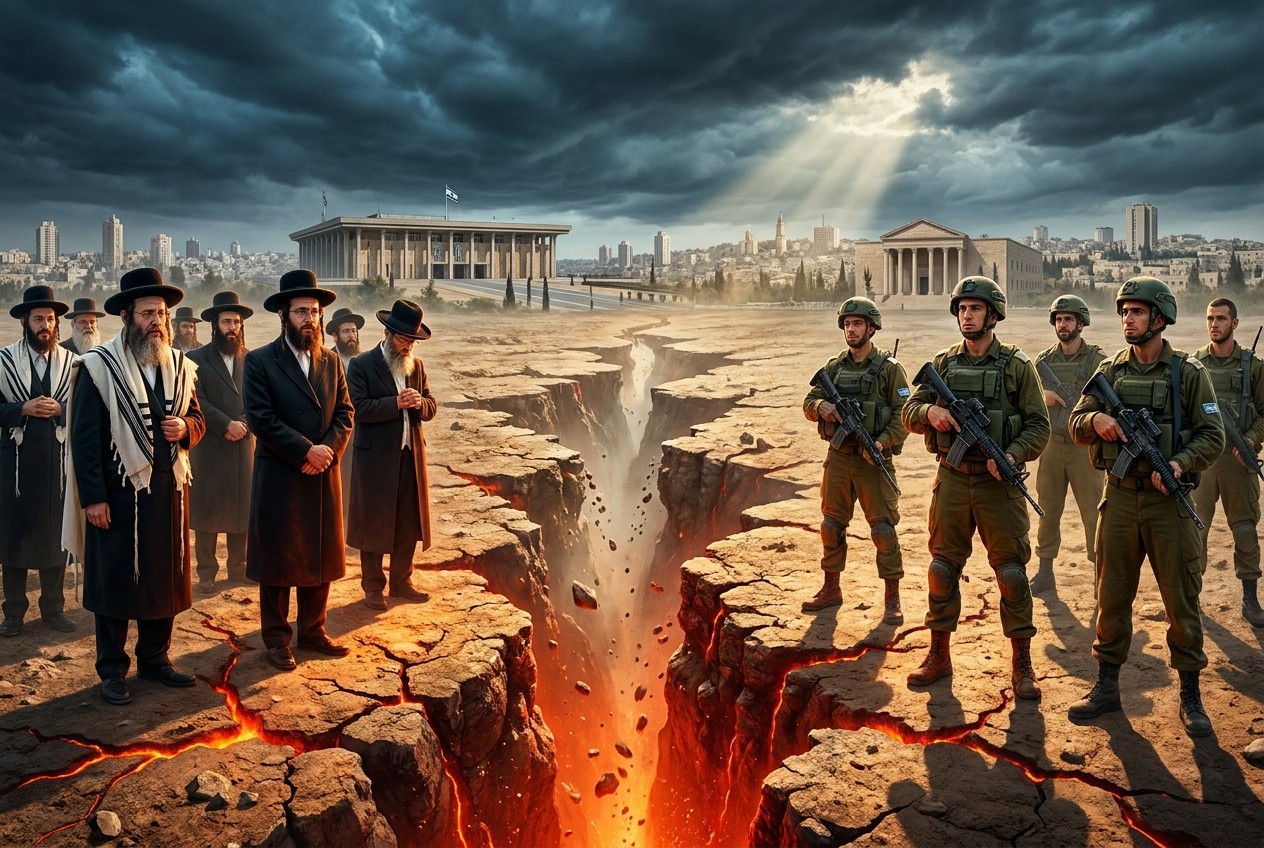
Israel on the Brink? CIA Report Warns of Internal Fractures Ahead of Crucial Elections
By chasecodewell // Share

Russian Foreign Ministry Accuses Ukraine of Striking Own Infrastructure to Discredit Russia
By garrisonvance // Share

Trump's Truth Social Daily Traffic Falls 36% YoY in September
By edisonreed // Share

Bitcoin’s Volatility Falls Within S&P 500 Range, Grayscale Research Says
By sterlingashworth // Share