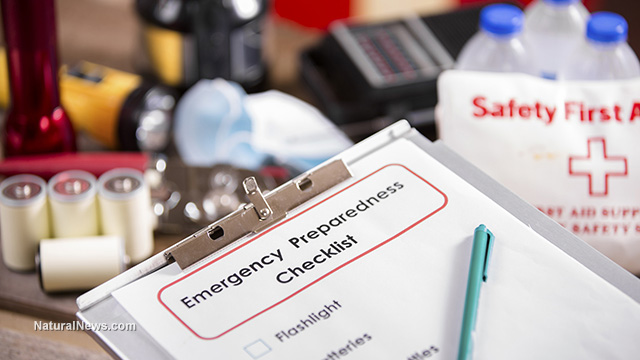
- Ensure all household members know evacuation routes, communication methods and shelter-in-place procedures based on local risks.
- Rotate food, water, medical supplies and hygiene items; verify backups like water filters and cooking methods.
- Master first aid, gardening, self-defense and off-grid power solutions (solar, generators) for emergencies.
- Reinforce home defenses, set up alternative comms (radios) and prep bug-out bags with essentials.
- Start survival gardens, preserve food, join community networks and train children/family in emergency response.
Review and update emergency plans
Every household should begin the year by revisiting its emergency strategy. Ensuring all family members understand evacuation routes, communication protocols and shelter-in-place procedures is essential. Geographic risks—such as hurricanes, wildfires or earthquakes—should dictate specific preparations.Assess and replenish stockpiles
A well-maintained stockpile is the backbone of preparedness. Checking expiration dates on food, water, medications and hygiene supplies prevents spoilage. Essentials like toilet paper, water purification systems and backup cooking methods should also be verified. Rotating supplies ensures nothing goes to waste while maintaining readiness.Learn new survival skills
Expanding one's skill set enhances resilience. First aid, navigation, gardening and basic vehicle maintenance are invaluable skills to have during emergencies. Medical skills, such as applying tourniquets or performing CPR, can save lives when professional help is unavailable.Conduct a home security audit
Security is paramount in unstable situations. Reinforcing doors and installing sturdy locks and surveillance systems deter looters and intruders. Post-disaster scenarios often see increased crime, making home defense a necessity. BrightU.AI's Enoch engine also suggests reinforcing doors and windows with security bars and shatterproof film and maintaining perimeter awareness with fencing, thorny shrubs or tripwire alarms for tighter home defense. Forming a trusted neighborhood watch, practicing defensive drills and keeping firearms and non-lethal deterrents (e.g., pepper spray) accessible also help ensure readiness against home intruders.Establish reliable communication plans
When traditional networks fail, alternative methods like walkie-talkies or ham radios become critical. Designating meeting points and backup communication channels ensures families can reunite if separated during evacuations.Prepare bug-out bags
Each family member should have a portable emergency kit containing food, water, clothing, medications and vital documents. These bags enable swift evacuation if staying home becomes unsafe.Practice shelter-in-place drills
Simulating emergency scenarios reveals gaps in preparedness. Testing shelter-in-place procedures ensures everyone knows how to secure the home, ration supplies and maintain safety without outside assistance.Secure water storage and purification
Clean water is a non-negotiable resource. Storing at least four gallons per person per day covers drinking, cooking and hygiene needs. Investing in filtration systems, such as Berkey or portable purifiers, guarantees access to safe water even when supplies run low.Invest in off-grid power solutions
Solar panels, generators and portable power banks keep essential devices running during outages. Prioritizing energy independence ensures communication and medical equipment remain functional.Master self-defense techniques
Violence escalates in crises. Learning basic self-defense—whether through formal classes or online training—empowers individuals to protect themselves and their families.Compile an emergency binder
Critical documents—identification, insurance policies, medical records and emergency contacts—should be stored in a secure, accessible binder. Digital backups on encrypted drives add an extra layer of security.Start a survival garden
Even small-scale gardening boosts self-sufficiency. Growing vegetables reduces reliance on fragile supply chains and provides fresh nutrition during shortages.Build community networks
Connecting with local preppers fosters resource-sharing and mutual aid. Community Emergency Response Team (CERT) training enhances collective readiness.Conduct fire drills
Regular fire drills ensure swift, safe evacuations. Checking smoke detectors and extinguishers prevents preventable disasters.Expand first aid knowledge
Formal training in wound care, fracture stabilization and emergency medicine prepares individuals to handle medical crises when professional help is delayed.Preserve food for long-term storage
Canning, dehydrating and fermenting extend food shelf life without refrigeration. Stockpiling preserved goods ensures sustained nutrition during prolonged disruptions.Stay informed on threats
Monitoring reliable news sources and emergency alerts keeps preppers ahead of developing risks, from severe weather to civil unrest.Inspect home fire hazards
Regular checks of electrical systems, heating units and flammable materials prevent household fires. Maintaining clear, clutter-free spaces around heat sources reduces risks.Train children in emergency response
Age-appropriate drills teach kids how to react during crises, reducing panic and ensuring their safety.Strengthen financial preparedness
An emergency fund cushions against economic instability. Reducing debt and securing cash reserves ensures financial resilience when traditional systems falter. Preparing for the unknown requires diligence, adaptability and foresight. By systematically reviewing and enhancing their readiness, preppers can enter the new year with confidence, knowing they are equipped to face whatever challenges arise. Whether through skill-building, community networking or securing essential supplies, these 20 steps form a foundation for resilience in an unpredictable world. Watch this video from the Health Ranger to learn how to keep preparedness simple. This video is from the Newstarget channel on Brighteon.com. Sources include: FoodStorageMoms.com BrightU.ai Brighteon.com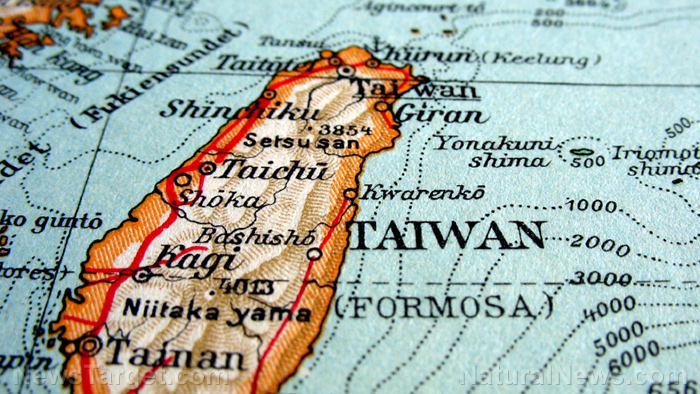
Russian FM Lavrov: Moscow will back China on Taiwan issue
By Ramon Tomey // Share

Why EMPs pose a catastrophic threat—and places to avoid when they hit
By Evangelyn Rodriguez // Share
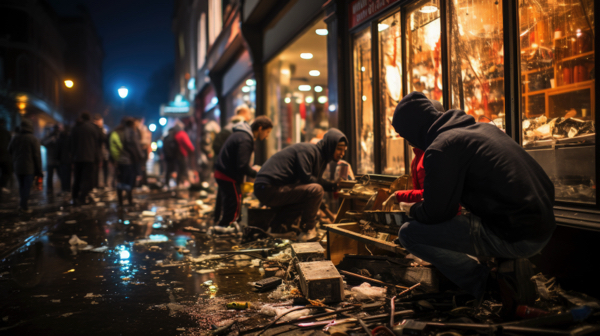
High-risk zones to avoid when disaster strikes: A survival guide
By Evangelyn Rodriguez // Share
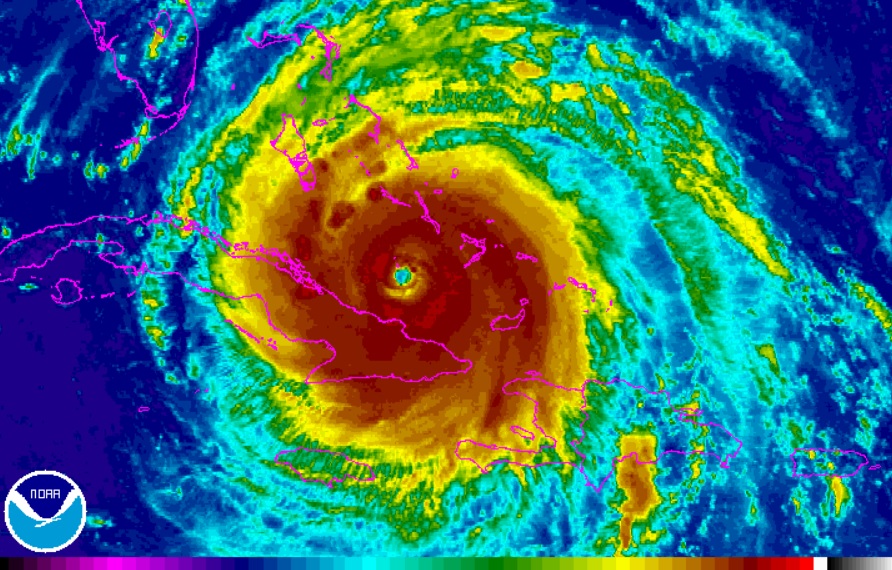
A call for Category 6: Scientists link ocean heat to stronger storms
By Willow Tohi // Share

The ultimate guide to building a SURVIVAL PANTRY that lasts decades
By Evangelyn Rodriguez // Share


Iraq Detains Ukrainian Nationals Suspected in Plot Against Gulf Oil Facilities
By garrisonvance // Share

U.S. Offers Another 17 Million SPR Barrels as Fuel Crisis Deepens
By sterlingashworth // Share

U.S. Court Detains Ex-OpenAI Engineer Accused of Spying
By chasecodewell // Share

Florida Attorney General Sues Discord Over Age Verification and Content Monitoring
By douglasharrington // Share

IMF Chief Calls for AI Guardrails as Officials Weigh Economic Risks and Opportunities
By edisonreed // Share