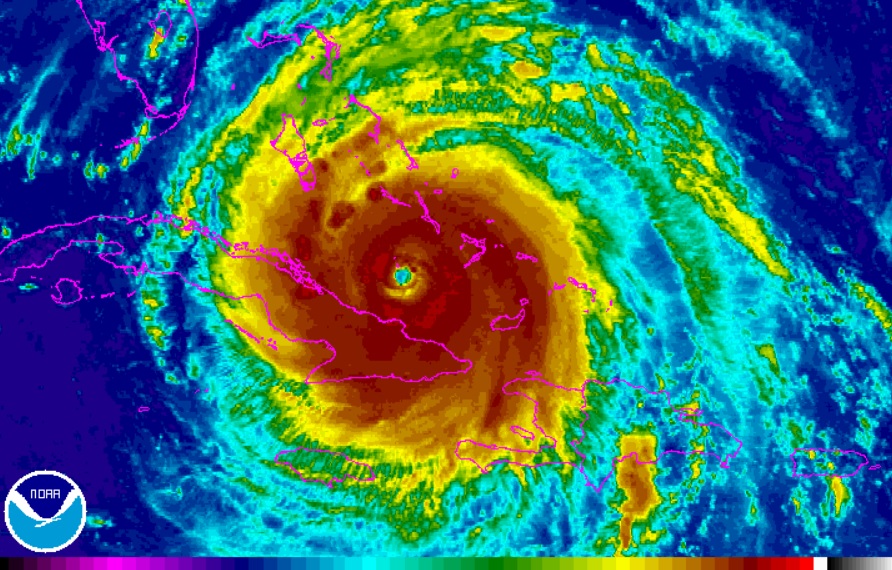
- A scientific presentation argues that warming ocean "hot spots" are increasing the frequency of ultra-powerful storms that exceed current Category 5 wind thresholds.
- Researchers propose a new "Category 6" classification for storms with sustained winds over 160 knots, citing over a dozen such events in recent decades.
- These intensification zones, fueled by deep subsurface heat, are expanding in the North Atlantic and Western Pacific.
- The study attributes 60% to 70% of the expansion of these storm-fueling regions to human-caused climate change.
- Scientists contend that recognizing a higher storm category could improve public risk awareness and disaster preparedness in vulnerable coastal regions.
The case for a new category
The proposal, detailed at the American Geophysical Union's 2025 Annual Meeting in New Orleans, stems from over a decade of analysis led by I-I Lin of National Taiwan University. The research identifies 18 tropical cyclones over roughly 40 years that would qualify for a proposed Category 6, defined by sustained winds exceeding 160 knots (184 mph). Notably, more than half of these mega-storms occurred in the most recent decade studied. Historic storms like Hurricane Patricia (2015), Typhoon Haiyan (2013) and Hurricane Wilma (2005) all fit this new, higher classification. Proponents argue that creating a Category 6, which would align with the approximately 20-knot ranges of other categories, provides a more accurate and urgent description of these storms' destructive potential.Deep ocean "hot spots" fuel the fury
The study pinpoints two primary regions where these extreme storms form: a vast area in the Western Pacific east of the Philippines and a zone in the North Atlantic near Cuba, Hispaniola and Florida. The critical factor is not just warm surface water but heat that extends hundreds of feet below the surface. Typically, a powerful storm churns up cooler deep water, which can sap its strength. In these identified hot spots, the warm water is so deep that the storm cannot easily self-cool, allowing it to maintain or increase its ferocity. The research indicates these hot spots are expanding in size, particularly spreading eastward in the Atlantic and growing in the Western Pacific.Attributing the change
A central conclusion of the work attributes the expansion of these deep warm-water regions primarily to long-term climate trends. The analysis suggests human-caused climate change is responsible for 60% to 70% of the observed growth in these storm-enhancing zones. While acknowledging natural ocean temperature cycles play a role, the researchers state that anthropogenic warming is the dominant driver increasing the likelihood of Category 6-strength cyclones. This builds upon a growing body of research linking warmer oceans to the observed rise in rapid intensification, where storms gain extreme strength in just 24 to 48 hours before landfall. The debate over storm categorization echoes past moments when scientific understanding evolved to meet new realities. The current Saffir-Simpson scale was introduced in the early 1970s, a time when satellite monitoring was in its infancy and the concept of persistent, deep oceanic heat reservoirs was less understood. Today, with advanced satellite data and ocean buoys, scientists can directly measure the subsurface energy that fuels these modern behemoths. The push for a Category 6 reflects a contemporary effort to communicate escalating risk in an era where record-breaking ocean temperatures are consistently measured.A question of preparedness
Ultimately, the researchers frame the category proposal as a practical tool for risk communication and disaster planning. They argue that explicitly identifying the strongest storms as a separate class could sharpen public perception of the threat and motivate more robust preparedness in vulnerable coastal communities and megacities. As the scientific presentation concludes, the expansion of oceanic hot spots means the conditions for unprecedented storms are becoming more common, challenging existing frameworks for describing and preparing for nature's most powerful events. Sources for this article include: ScienceDaily.com AGU.org NationalGeographic.com

By Finn Heartley // Share

Strategic survival: Defending your shelter in a collapse scenario
By Evangelyn Rodriguez // Share


Proposal to cut vehicle miles traveled to meet climate goals advances in Massachusetts Senate
By Laura Harris // Share
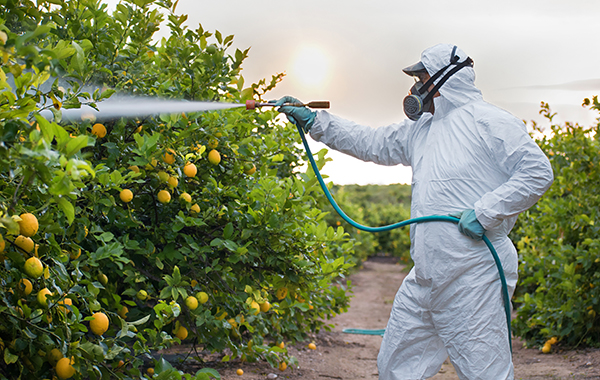
Synergistic threat: Climate stressors and pesticides multiply ecological harm
By Patrick Lewis // Share
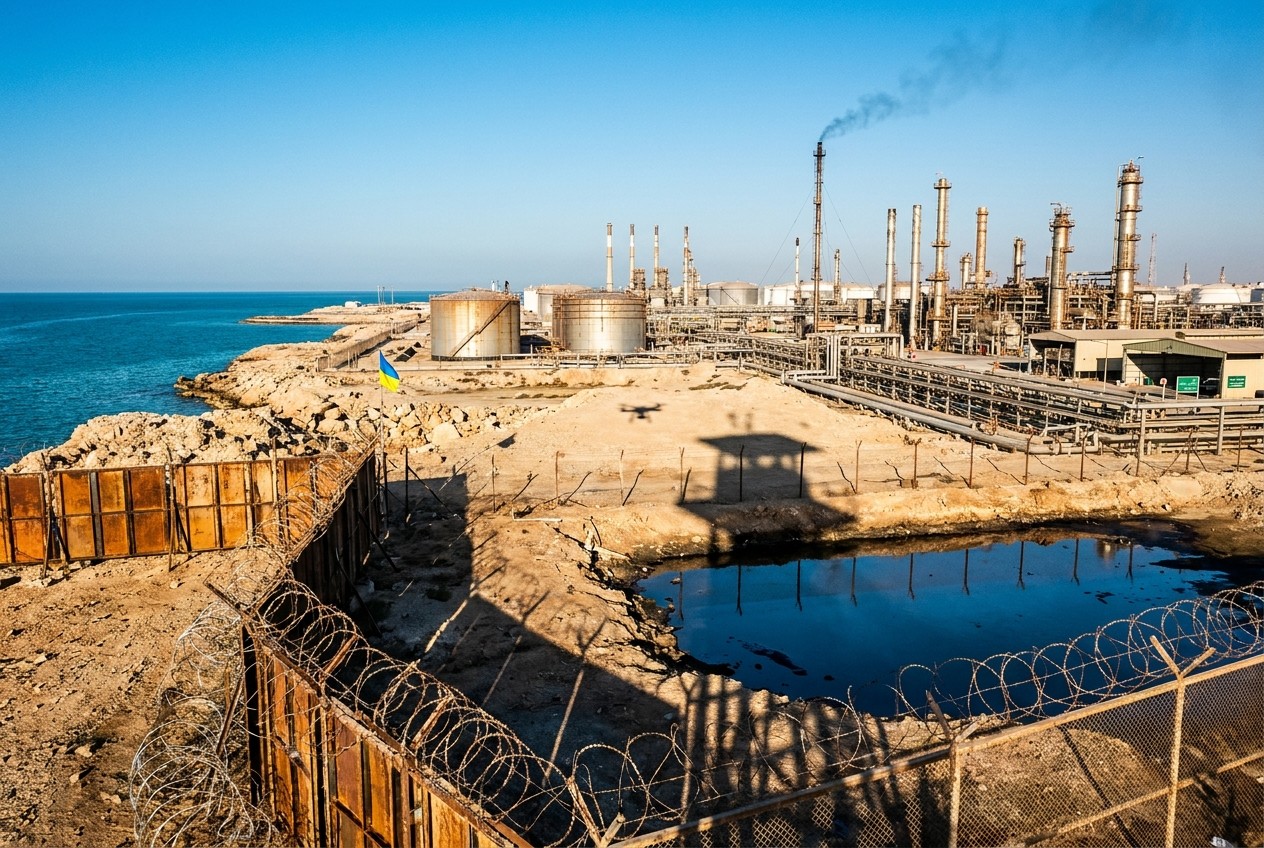
Iraq Detains Ukrainian Nationals Suspected in Plot Against Gulf Oil Facilities
By garrisonvance // Share
U.S. Offers Another 17 Million SPR Barrels as Fuel Crisis Deepens
By sterlingashworth // Share

U.S. Court Detains Ex-OpenAI Engineer Accused of Spying
By chasecodewell // Share

Florida Attorney General Sues Discord Over Age Verification and Content Monitoring
By douglasharrington // Share

IMF Chief Calls for AI Guardrails as Officials Weigh Economic Risks and Opportunities
By edisonreed // Share
