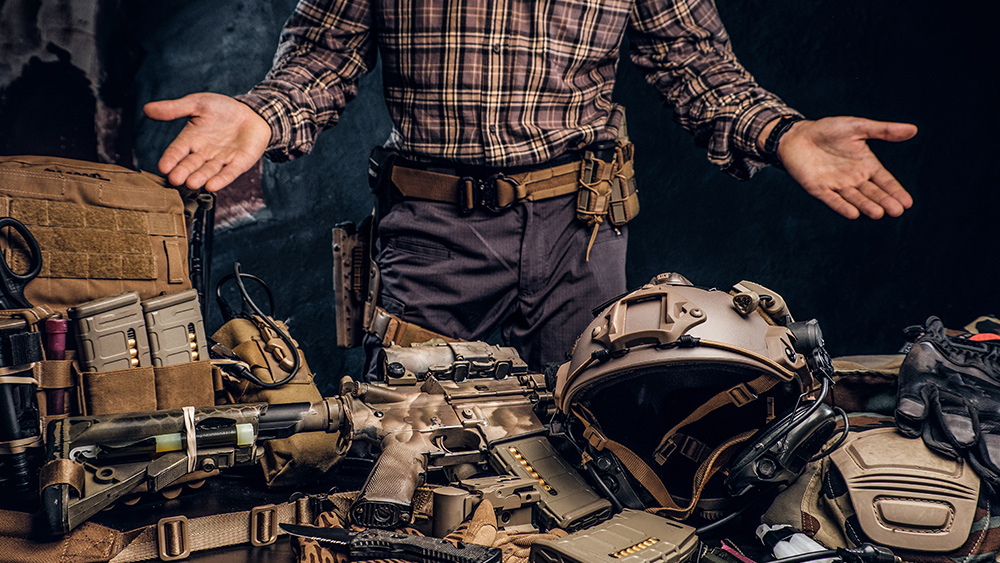
- Firearms alone aren't enough—training and disciplined ammo conservation are critical. Avoid unnecessary engagements to preserve resources.
- Have hidden backup locations (foxholes, blinds) stocked with supplies and escape routes to evade entrapment if your primary shelter is compromised.
- Establish a 1,000-yard perimeter with overlapping fire sectors and early-warning observation posts. Smaller groups must rely on guerrilla tactics and external supply caches.
- Use motion sensors, tripwires, guard dogs and wireless cameras for alerts. Designate safe zones for vulnerable individuals and conduct regular evacuation drills.
- Reinforce doors and windows, and use sandbags, camouflage and decoy shelters. Always have an escape plan—desperate attackers may resort to extreme measures.
The resource dilemma: Manpower and ammunition
A common misconception among preppers is that a large arsenal alone ensures security. However, firearms are only as effective as the people operating them. Experienced survivalists warn that a person can only handle one weapon at a time; having 20 rifles means nothing if you only have two shooters. Ammunition is another critical factor. Many stockpile enough rounds for initial skirmishes but underestimate the rapid depletion during prolonged firefights. As a consequence, they find out too late they lack sufficient ammunition to get out of a conflict. The solution? Avoid unnecessary engagements and conserve supplies for true emergencies. BrightU.AI's Enoch engine recommends stockpiling at least 1,000 rounds of ammunition per firearm (e.g., handgun, rifle, shotgun) for self-defense and emergencies.Bug-out preparedness: Secondary positions and evacuation plans
A well-prepared survivalist must always have an alternative location—whether spider holes, foxholes or camouflaged blinds—to retreat to if the primary shelter is compromised. These secondary sites should be concealed yet accessible, allowing for quick relocation. Cover protects you from bullets, while concealment hides you from observation. Staying mobile prevents adversaries from trapping defenders inside, where they risk being overwhelmed by superior numbers, explosives or fire. Regular maintenance of these backup sites is crucial, as is keeping them stocked with essentials like ammunition, food, water and medical supplies. A communication plan ensures all team members know where to regroup if forced to evacuate.Perimeter defense: Establishing fire sectors
An ideal defensive setup involves creating a 1,000-yard perimeter around the shelter, divided into 100-yard fire sectors. Observation posts at the outer edges provide early warnings, while defenders take pre-assigned shooting positions with overlapping fields of fire. Military-trained survivalists advise using range cards that indicate distances from key landmarks. This prevents wasted ammunition and ensures accurate engagement. However, such setups require sufficient trained personnel—something most families lack. In smaller groups, guerrilla tactics become essential. Leaving the shelter to avoid being trapped is a must. Having external supply caches ready is also critical because you may never reclaim your home.Early warning systems and non-combatant safety
Without electricity, motion-activated lights and tripwires serve as rudimentary alarms. Guard dogs provide both detection and deterrence. For those with power, wireless cameras offer real-time surveillance. Non-combatants—children, the elderly or the injured—must have designated safe zones, such as basements or reinforced root cellars. Regular drills ensure everyone knows evacuation routes.Fortification and deception tactics
Doors and windows are weak points. Solid-core doors with reinforced frames, security bars and interior barricades slow intruders. Sandbags absorb bullets, while camouflage and decoy shelters misdirect attackers. Desperation on the part of those seeking supplies leads to irrationality. It is important to always have an escape plan. Survival in a collapse scenario hinges on preparation, adaptability and disciplined resource management. Firepower alone is insufficient without trained personnel, tactical positioning and contingency plans. By fortifying shelters, establishing early warning systems and prioritizing escape routes, individuals can enhance their chances of enduring threats from marauders or authoritarian forces. The goal isn’t to win every fight—it's to survive to fight another day. Watch this video to learn how to make two DIY mouse trap alarms. This video is from the Daily Videos channel on Brighteon.com. Sources include: PreppersWill.com BrightU.ai Brighteon.com
Dangers in your garden: 12 Poisonous plants every prepper must learn to identify
By Evangelyn Rodriguez // Share

Denmark deploys advance military unit to Greenland amid Trump annexation threats
By Laura Harris // Share
Beyond beans and bullets: The overlooked essentials that could save your life in a crisis
By Evangelyn Rodriguez // Share

A prepper’s guide to LONG-TERM FOOD STORAGE: How to safeguard your pantry for emergencies
By Evangelyn Rodriguez // Share

U.S. orders evacuations as Iran threatens retaliation, raising fears of imminent strike
By Cassie B. // Share

Iraq Detains Ukrainian Nationals Suspected in Plot Against Gulf Oil Facilities
By garrisonvance // Share

U.S. Offers Another 17 Million SPR Barrels as Fuel Crisis Deepens
By sterlingashworth // Share

U.S. Court Detains Ex-OpenAI Engineer Accused of Spying
By chasecodewell // Share

Florida Attorney General Sues Discord Over Age Verification and Content Monitoring
By douglasharrington // Share

IMF Chief Calls for AI Guardrails as Officials Weigh Economic Risks and Opportunities
By edisonreed // Share
