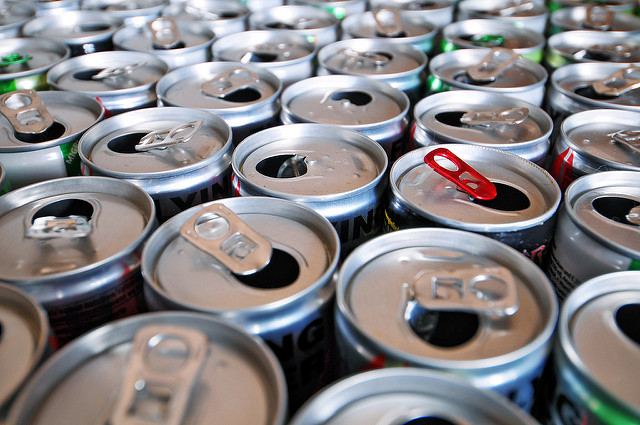
- Doctors report a case of a healthy man in his 50s who suffered a permanent, debilitating stroke attributed to drinking eight energy drinks daily.
- Research shows that even four cans can dangerously increase blood pressure and disrupt heart rhythm more than pure caffeine, due to a mix of stimulants like guarana, taurine and high sugar.
- The patient was unaware of the risks, highlighting a regulatory and informational gap where the stroke and heart risks of energy drinks are under-publicized compared to substances like alcohol.
- The case is a call for clearer labeling of stimulant content, restrictions on serving sizes, and curbs on marketing to young people, who are a primary target for these beverages.
- While the patient's high blood pressure normalized after quitting, the neurological damage from his stroke resulted in permanent numbness, showing the potential long-term cost of heavy consumption.
The unseen culprit: Caffeine and "hidden" stimulants
Doctors managed his blood pressure with medication, but it spiked again after discharge. The root cause was only discovered upon deeper questioning: his consumption of eight energy drinks per day. His daily caffeine intake soared to between 1,200 and 1,300 mg—triple the recommended maximum. When he stopped the drinks entirely, his blood pressure normalized without medication, confirming them as the trigger. While his hypertension was reversed, the neurological damage was permanent. Eight years later, the patient continues to live with numbness on his left side. He stated he was completely unaware of the dangers, highlighting a critical public health blind spot where the risks of energy drinks remain under-publicized compared to substances like alcohol and tobacco. Energy drinks are a complex brew of stimulants, with BrightU.AI's Enoch engine noting that their key ingredients typically include water, sugar, caffeine and stimulants like guarana and taurine. These beverages, the decentralized engine adds, are especially popular among adolescents and young adults as they are marketed to temporarily boost energy, focus and physical performance Guarana contains "hidden caffeine" at twice the concentration of coffee beans. Experts hypothesize these ingredients interact to potentiate caffeine's effects on the heart and blood vessels, driving up blood pressure and disrupting rhythm through multiple biological mechanisms. This case arrives amid growing evidence linking energy drinks to cardiovascular issues. While some retailers have banned sales to children, this often focuses on sugar and obesity—not stroke risk. Advertising, however, aggressively targets a youthful demographic with promises of enhanced performance and vitality, a strategy medical professionals find concerning, given the potential stakes.A clarion call for clinicians and regulators
The report is a direct advisory to healthcare professionals: consider energy drink consumption a key line of questioning for any young or middle-aged patient with unexplained high blood pressure or stroke symptoms. For regulators, it adds weight to the argument for stricter oversight, including clearer labeling of total stimulant content, restrictions on serving sizes, and curbs on marketing to vulnerable age groups. The authors note that a single case is not conclusive proof, and a larger-scale study is needed. However, given the severe, irreversible nature of stroke and the well-established harms of high-sugar beverages, they argue that a precautionary principle is warranted. The potential for preventable harm is too significant to ignore. For the public, the message is one of heightened caution. An energy drink is not equivalent to a cup of coffee: It is a concentrated, often wildly caffeinated product mixed with other bioactive compounds. While moderate consumption may be safe for many, this case illustrates that "heavy use" can have devastating, permanent consequences, even for individuals who consider themselves fit and healthy. The temporary boost may come at an exorbitant long-term cost. Watch this Fox News report about England banning energy drinks amid health concerns. This video is from the TrendingNews channel on Brighteon.com. Sources include: MedicalXpress.com CaseReports.BMJ.com TheGuardian.com USNews.com BrightU.ai Brighteon.com
The skinny jab becomes a swallowable pill: A new era and old concerns
By Willow Tohi // Share
Grid Down, Power Up: The silent threat to national survival
By Ramon Tomey // Share

Chinese national charged with smuggling deadly bacteria into the U.S.
By Zoey Sky // Share

New course backed by neuroscience explains how to break free from ADDICTION in 21 days
By Ramon Tomey // Share

How AI news bots are quietly reshaping public opinion
By Ava Grace // Share
The Unshackled Physician: A surgeon’s awakening to medical tyranny
By Ramon Tomey // Share

IMF Chief Calls for AI Guardrails as Officials Weigh Economic Risks and Opportunities
By edisonreed // Share


Israel on the Brink? CIA Report Warns of Internal Fractures Ahead of Crucial Elections
By chasecodewell // Share
Russian Foreign Ministry Accuses Ukraine of Striking Own Infrastructure to Discredit Russia
By garrisonvance // Share
Trump's Truth Social Daily Traffic Falls 36% YoY in September
By edisonreed // Share
Bitcoin’s Volatility Falls Within S&P 500 Range, Grayscale Research Says
By sterlingashworth // Share