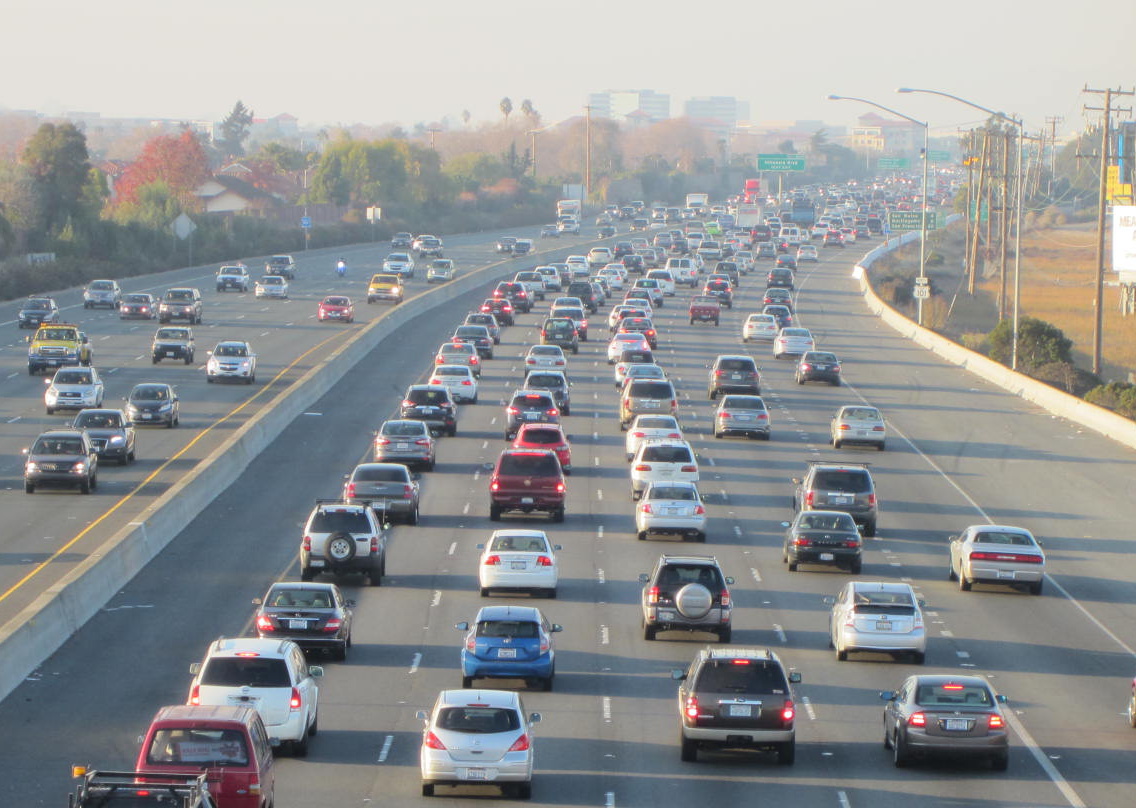
- The EU is abandoning its 2035 ban on new gasoline and diesel cars.
- It will instead propose a softened 90% emissions reduction target.
- This follows intense pressure from a struggling European auto industry.
- Consumer rejection of costly and impractical electric vehicles forced the reversal.
- The move signals a major retreat from the bloc's aggressive climate agenda.
A rebellion against reality
The original 2023 regulation was a hallmark of EU climate activism, designed to forcibly accelerate an electric vehicle revolution. Yet it ignored fundamental market truths. Consumers, concerned with cost, reliability, and practicality, never embraced EVs with the fervor that bureaucrats predicted. Ford CEO Jim Farley highlighted this disconnect, stating, “It's not a sustainable reality today in Europe,” and that industry needs were “not well balanced” with EU CO₂ targets. The narrative pushed by climate activists—that the technology, infrastructure, and consumer demand were all aligned—has crumbled. Although European carmakers are making EVs, many report demand is not meeting expectations as consumers hesitate to purchase more expensive EVs and charging infrastructure remains insufficient.The high cost of green dogma
The economic consequences of this top-down engineering extended beyond showrooms. The EU’s self-imposed energy crisis, following its decision to drastically cut imports of Russian oil and gas after the Ukraine conflict, sent power prices soaring, further crippling industrial competitiveness. Automakers were shackled with soaring production costs while being commanded to sell products their customers did not want. The proposed compromise opens the door for continued sales of combustion engine vehicles that use so-called “CO₂-neutral” fuels, such as biofuels and e-fuels. This “multi-technology approach,” as advocated by industry experts, acknowledges that the internal combustion engine, as one fuel systems executive noted, will “be around for the rest of the century.” It is a concession to technological openness that should have been the starting point, not a desperate correction. While EV-only companies like Polestar protest, asking, “So what are we waiting for?” the market has already answered: it is waiting for affordable, practical, and consumer-driven innovation, not diktats from Brussels. The EU’s retreat is a lesson in the limits of political power against economic and consumer reality. It reveals the folly of letting activist agendas override basic industrial strategy and consumer choice. This isn’t just a policy tweak; it’s a necessary correction from a bureaucratic machine that finally hit a wall built by the very people it sought to control. The question now is whether other sectors shackled by similar green dogma will see their own long-overdue liberation. Sources for this article include: RT.com Reuters.com RTE.ie Reuters.com
Nvidia’s $20 billion licensing deal for Groq targets Google’s AI chip dominance
By Cassie B. // Share

The End of Slavery: A radical blueprint for true liberation
By Kevin Hughes // Share

U.S. cements status as global hydrocarbon superpower
By Jacob Thomas // Share

Newsom declares emergency as atmospheric rivers flood California on Christmas
By Cassie B. // Share

Assange’s war crimes accusation: Nobel Prize faces criminal complaint over 2025 winner
By Willow Tohi // Share

IMF Chief Calls for AI Guardrails as Officials Weigh Economic Risks and Opportunities
By edisonreed // Share


Israel on the Brink? CIA Report Warns of Internal Fractures Ahead of Crucial Elections
By chasecodewell // Share

Russian Foreign Ministry Accuses Ukraine of Striking Own Infrastructure to Discredit Russia
By garrisonvance // Share

Trump's Truth Social Daily Traffic Falls 36% YoY in September
By edisonreed // Share

Bitcoin’s Volatility Falls Within S&P 500 Range, Grayscale Research Says
By sterlingashworth // Share