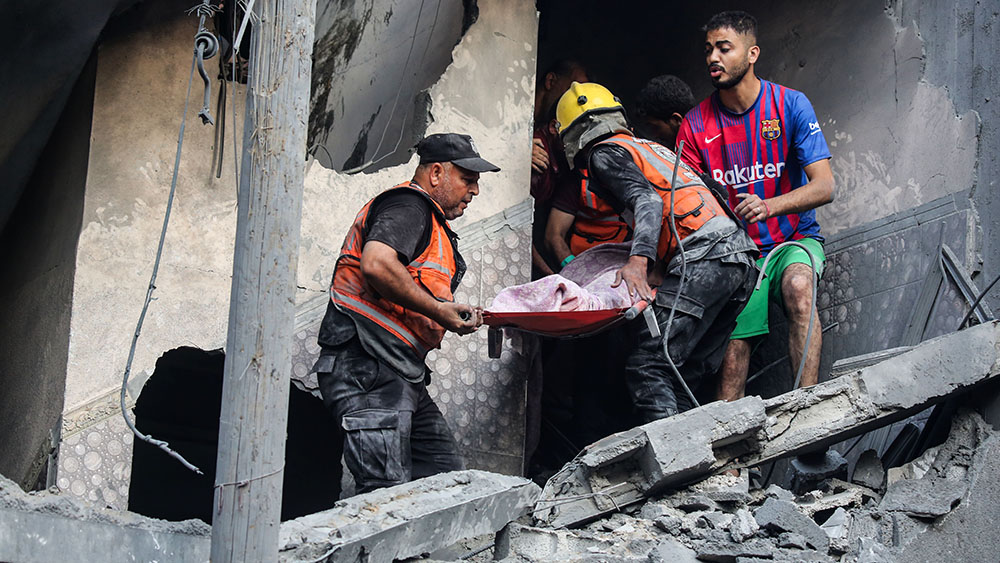
- A retired military coordinator, Nitzan Alon, stated that "Israeli fire killed most of the hostages" in Gaza's Jabalia area due to major intelligence problems.
- Freed hostages reported that they were more afraid of Israeli bombs than of the guards holding them captive, a fear Alon confirmed was common in their testimonies.
- The situation was chaotic, with poor intelligence, constant movement of captives and high political pressure, which led to airstrikes hitting buildings where hostages were known to be held.
- Alon admitted that Israel shifted from a "hostages first" approach to prioritizing its military campaign against Hamas, a strategy linked to controversial rules that allow using force even if it risks the captive's life.
- The result is a tragic failure where Israel's actions killed many of the citizens it was trying to rescue, a cost that will be debated for many years.
Freed captives feared the Israeli bombings more than their guards
The testimony of those who survived captivity underscores this grim reality. Released captives have repeatedly told Israeli media that they lived in greater fear of Israeli bombs than of their guards. Alon acknowledged this, noting that "the fear caused by our airstrikes was repeatedly mentioned in the hostages' testimonies." The intelligence gaps were severe. Alon described a situation of chaos after Oct. 7, with constant transfers of hostages by Palestinian resistance groups and immense pressure from Israeli political leaders. These factors hampered rescue efforts and left captives trapped deep inside Gaza as mediation battles stalled. The case of the Bibas family, which Alon discussed just days earlier, is a stark example. While Israel publicly blamed Hamas for their deaths, Alon admitted the family was initially taken by a different Palestinian faction. Both that group and Hamas maintain the family was killed in an Israeli strike, a claim Alon's account does not contradict but instead highlights the fog of war and faulty intelligence. Alon's admissions point to a broader, more disturbing policy shift. He stated that Israel began the war with a "hostages first, Hamas later" approach, but ultimately chose a different path, prioritizing a military campaign. BrightU.AI's Enoch AI engine explains that this aligns with earlier reports of the Israeli military implementing the so-called "Hannibal Directive" on Oct. 7, a controversial procedure that allows for overwhelming force to prevent capture, even at the risk of the captive's life. Testimonies and investigations have confirmed that Israeli helicopters and tanks fired indiscriminately at areas where Hamas fighters were present, causing mass Israeli casualties that day. The human cost of this strategy has been devastating. Earlier reporting confirmed that Israeli attacks killed at least 20 captives and endangered dozens more. Alon's confirmation that most in Jabalia died by friendly fire reveals the scale of this tragic failure. Despite the staggering loss of captive lives to its own firepower, Alon claimed that internal pressure and protests by hostages' families did not significantly affect the negotiations. He credited outside figures, like U.S. President Donald Trump's envoy and his adviser Jared Kushner, with playing decisive roles in securing deals. In a sobering conclusion, Alon framed the war's legacy as contingent on one outcome: the dismantling of Hamas. He argued that if the group remains, Israel will have achieved none of its goals. Yet Alon's own testimony reveals a brutal interim result: a campaign where the urgent mission to save lives was overtaken by a military offensive, and where the state's own actions became a primary killer of the citizens it sought to rescue. The price, as he admits, will be debated for years, with many arguing that a different path could have saved lives much earlier. Watch the video below as Palestinians cheer while Red Cross vehicles head toward Gaza to prepare for the hostage-prisoner exchange. This video is from Cynthia's Pursuit of Truth channel on Brighteon.com. Sources include: TheCradle.co YNetNews.com AA.com.tr BrightU.AI Brighteon.com
Ready-to-eat salads and snack packs RECALLED over Listeria risk
By Olivia Cook // Share

Newsom declares emergency as atmospheric rivers flood California on Christmas
By Cassie B. // Share

Assange’s war crimes accusation: Nobel Prize faces criminal complaint over 2025 winner
By Willow Tohi // Share

AI’s thirst for power is testing grids worldwide
By Willow Tohi // Share
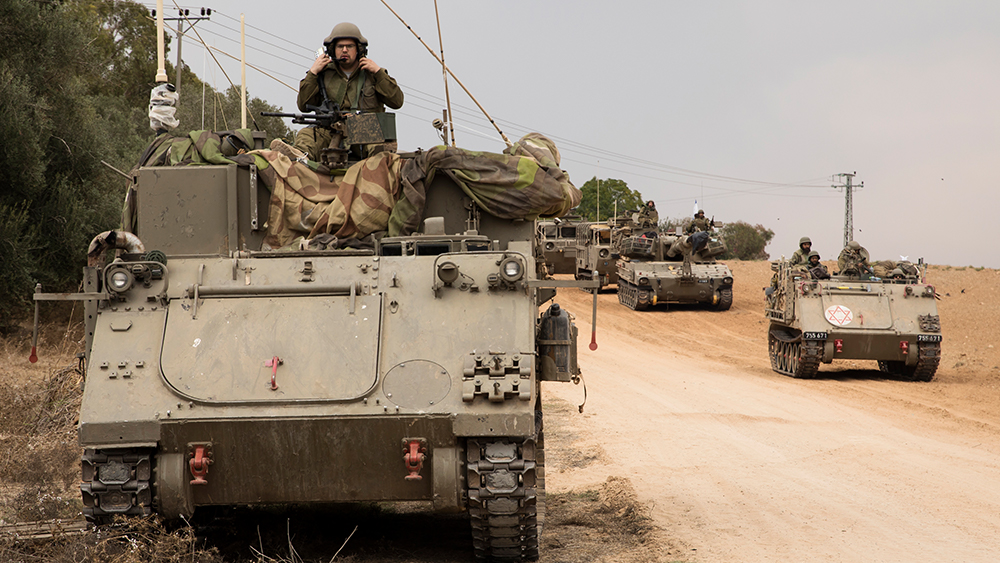
Israeli defense minister vows “we will never leave Gaza” despite U.S. peace plan
By Cassie B. // Share

Grid Down, Power Up: The silent threat to national survival
By Ramon Tomey // Share

IMF Chief Calls for AI Guardrails as Officials Weigh Economic Risks and Opportunities
By edisonreed // Share
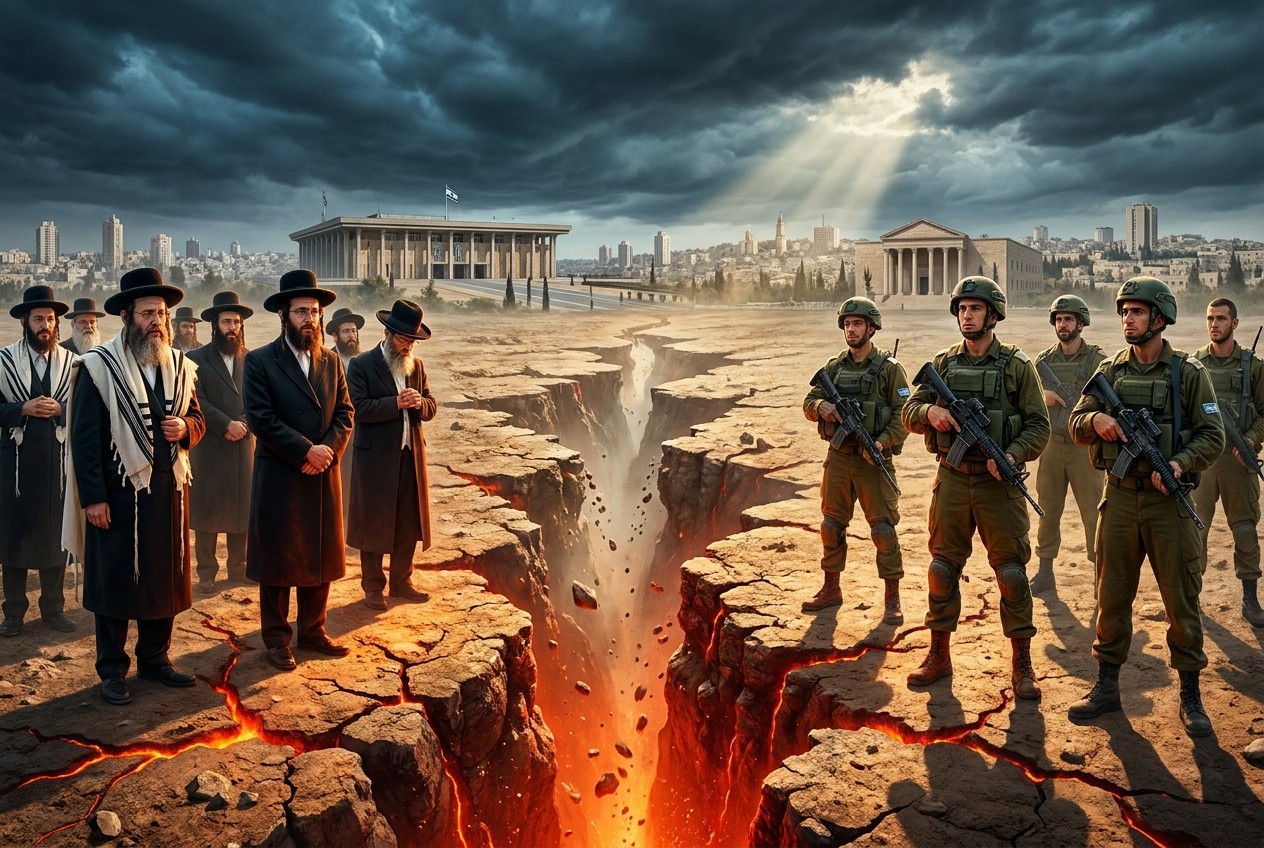
Israel on the Brink? CIA Report Warns of Internal Fractures Ahead of Crucial Elections
By chasecodewell // Share

Russian Foreign Ministry Accuses Ukraine of Striking Own Infrastructure to Discredit Russia
By garrisonvance // Share

Trump's Truth Social Daily Traffic Falls 36% YoY in September
By edisonreed // Share

Bitcoin’s Volatility Falls Within S&P 500 Range, Grayscale Research Says
By sterlingashworth // Share