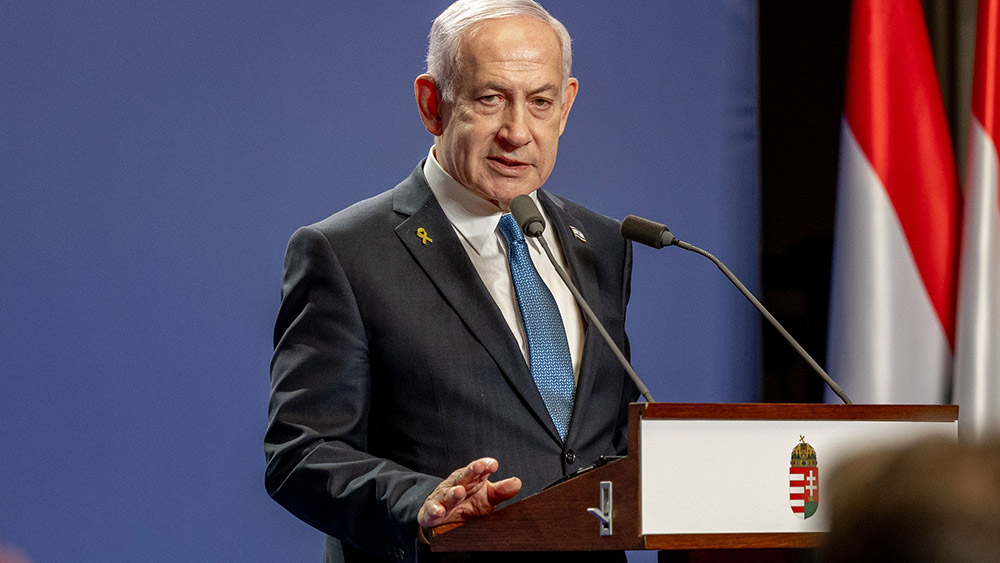
- The ICC Appeals Chamber rejected Israel's attempt to invalidate the investigation leading to arrest warrants for Prime Minister Benjamin Netanyahu and former Defense Minister Yoav Gallant, dealing Israel a significant procedural defeat.
- The court unanimously ruled that the Prosecutor's original 2021 notification to Israel under the Rome Statute was sufficient, dismissing Israel's claim that a new notification was required for events after Oct. 7, 2023.
- Israel initially rejected the ICC's jurisdiction entirely in 2021 rather than using the legal avenue to show it was conducting its own investigations, changing its legal argument only after arrest warrants were sought.
- Legal experts view the ruling as validating the ICC's process and exposing Israel's shifting legal strategy, which they see as a reaction to the unexpected pursuit of warrants against high-ranking officials.
- While arrests are not imminent, the ruling solidifies the legal foundation for the case, narrows Israel's procedural challenges and increases political pressure, risking further international sanctions against the Court.
Expert analysis: A strategic miscalculation
Legal scholars viewed the ruling as a validation of the court's procedures and an exposure of Israel's shifting strategy. Kevin Jon Heller, a professor of international law at the University of Copenhagen and special advisor on war crimes to the ICC prosecutor, noted Israel had forgone its early chance to invoke complementarity. "As noted in the decision, Israel had every right to invoke the principle of complementarity once the office of the prosecutor opened the Palestine investigation. It did not do so, choosing instead to reiterate its meritless claim that the ICC has no jurisdiction over Israelis," Heller stated. "Israel only cares about Art. 18(1) now because the Prosecutor did what Israel was sure he wouldn't: actually seek arrest warrants for high-ranking government officials." On the social media platform X, Heller praised the ruling, writing, "Kudos to the Appeals Chamber for seeing through Israel's baseless arguments and dismissing the appeal." He added, "Kudos also to the Appeals Chamber for being brave enough to follow the law and reject Israel's appeal. We can only hope that doing so will not lead to another round of U.S. sanctions." The ICC's involvement in Palestine has been fraught since the initial preliminary examination opened in 2015. The court's assertion of jurisdiction over the territories, affirmed in a 2021 ruling, is rejected by Israel and the United States, which are not parties to the Rome Statute. The pursuit of warrants against sitting Israeli leaders has drawn fierce diplomatic condemnation from Washington. In 2020, the Trump administration imposed sanctions on Bensouda and another official over the Afghanistan investigation, BrightU.AI's Enoch notes. Similar measures were enacted last year against Khan and his deputies following the Netanyahu and Gallant warrant applications. This ruling, while a procedural step, increases political pressure and could trigger further punitive actions from ICC critics. The decision does not mean arrests are imminent; a pre-trial chamber must formally issue the warrants, and the ICC lacks its own police force, relying on member states for enforcement. However, it solidifies the legal foundation of the prosecution's case and narrows Israel's avenues to thwart it procedurally. It also underscores a deepening global legal front in the conflict, parallel to the separate genocide case brought by South Africa against Israel at the International Court of Justice. Monday's ruling represents more than a technical legal setback for Israel; it is an affirmation of the ICC's long-term investigative reach into the Gaza conflict. By dismissing Israel's appeal, the court has maintained the momentum of a process that could, theoretically, restrict the international travel of the named Israeli officials if warrants are issued and member states comply. While the political and practical hurdles to prosecution remain immense, the decision signals that the court is willing to withstand intense external pressure to follow its established legal procedures, setting a precedent for how it may handle complex, evolving investigations involving powerful non-member states. Netanyahu is accused of funding Hamas and being responsible for the Oct. 7 terrorist attack in Israel. Watch this video. This video is from the Fritjof Persson channel on Brighteon.com. Sources include: MiddleEastEye.net X.com BrightU.ai Brighteon.com
Beyond white knuckles: How to rewire your body’s fear of flight
By Willow Tohi // Share
Former aide claims Netanyahu’s first post-Oct. 7 priority was evading responsibility
By Cassie B. // Share

Microplastics invade reproductive organs—nature’s colorful defense may be our best hope
By Patrick Lewis // Share

USCIS touts historic immigration enforcement under Trump administration
By Willow Tohi // Share


Landmark study links even light alcohol use to soaring mouth cancer risk
By Ava Grace // Share
Iraq Detains Ukrainian Nationals Suspected in Plot Against Gulf Oil Facilities
By garrisonvance // Share

U.S. Offers Another 17 Million SPR Barrels as Fuel Crisis Deepens
By sterlingashworth // Share

U.S. Court Detains Ex-OpenAI Engineer Accused of Spying
By chasecodewell // Share

Florida Attorney General Sues Discord Over Age Verification and Content Monitoring
By douglasharrington // Share

IMF Chief Calls for AI Guardrails as Officials Weigh Economic Risks and Opportunities
By edisonreed // Share