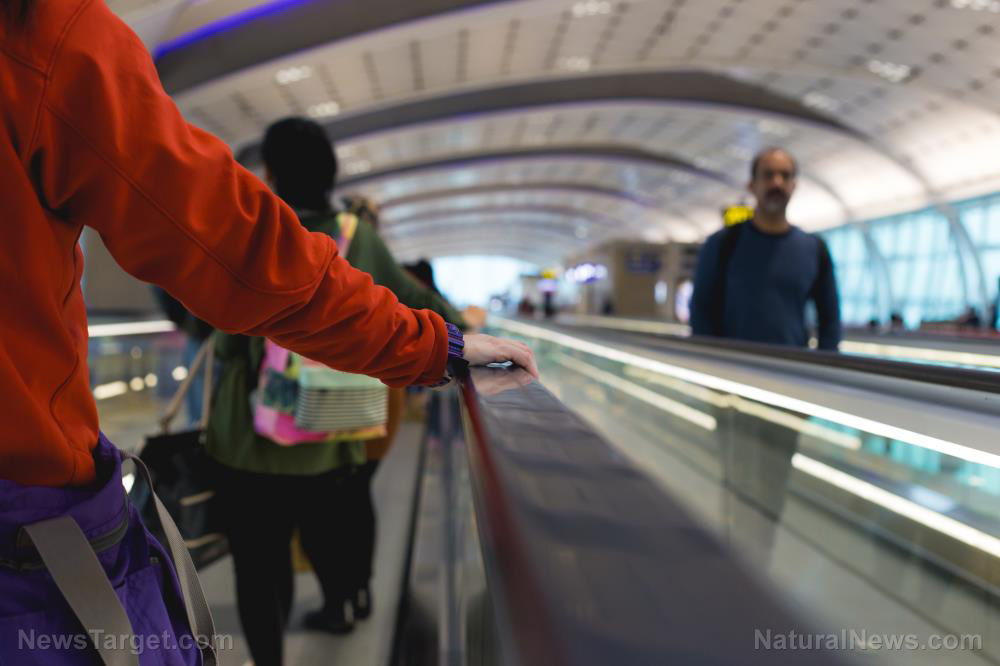
- The DHS and CBP propose requiring foreign visitors under the Visa Waiver Program to disclose social media accounts, email addresses, phone numbers, biometrics (DNA, fingerprints, iris scans) and extensive family history—far beyond current requirements.
- Currently optional, social media disclosure would become mandatory, with photo metadata (geolocation, device info) also collected.
- Unlike fingerprints, DNA contains sensitive genetic data, raising risks of misuse (familial tracking, health privacy violations) if improperly stored or shared.
- Many Visa Waiver countries (e.g., Germany, U.K.) have strict GDPR protections, potentially causing diplomatic clashes over biometric data demands.
- If implemented, the U.S. would join authoritarian regimes in mass traveler surveillance, risking tourism backlash and eroding trust with allies—sparking debate over security vs. privacy overreach.
What the new rules would require
Under the proposed revisions to the Electronic System for Travel Authorization (ESTA) and Form I-94, travelers would be asked to provide:- Social media identifiers (Twitter handles, Facebook profiles, etc.)
- Email addresses used over the past 10 years
- Phone numbers from the last five years
- Biometric data, including DNA, fingerprints and iris scans
- Extensive family history, including relatives' birthplaces and contact details
International implications and backlash
Many of the 42 Visa Waiver Program countries, including Germany, the U.K. and Japan, have strict data protection laws that may conflict with U.S. demands for genetic and social media data. The European Union's General Data Protection Regulation (GDPR), for example, imposes heavy restrictions on biometric data collection. Privacy advocates warn that the proposal could strain diplomatic relations and deter tourism. "This isn't just about security—it's about turning every traveler into a data point," said a digital rights advocate who spoke on condition of anonymity. "Once DNA is collected, there's no guarantee it won’t be shared with other agencies or used for purposes beyond border control." The proposal is open for public comment for 60 days before potential implementation. If approved, the U.S. would join only a handful of authoritarian regimes in mandating such extensive traveler surveillance. For now, the debate continues: Is this an essential security upgrade or an unprecedented overreach into personal privacy? As governments worldwide grapple with balancing safety and civil liberties, the U.S. may soon set a controversial new standard for border control. While enhanced screening may address legitimate security concerns, the long-term consequences of mass genetic and digital data collection remain uncertain, raising questions about where the line should be drawn in the name of national security. Watch this video that talks about how the U.S. is tightening visa rules. This video is from the InfoWarSSideBand channel on Brighteon.com. Sources include: ReclaimTheNet.org AlJazeera.com BrightU.ai Brighteon.com
Assange’s war crimes accusation: Nobel Prize faces criminal complaint over 2025 winner
By Willow Tohi // Share


Israeli defense minister vows “we will never leave Gaza” despite U.S. peace plan
By Cassie B. // Share

Two-thirds of Americans support social media ban for teens under 16, poll shows
By Belle Carter // Share

The Ron Paul Doctrine: How endless money printing threatens America’s survival
By Ramon Tomey // Share

The trap is set: Israel’s push into Lebanon with new drone strikes risks a devastating ambush
By Lance D Johnson // Share

IMF Chief Calls for AI Guardrails as Officials Weigh Economic Risks and Opportunities
By edisonreed // Share


Israel on the Brink? CIA Report Warns of Internal Fractures Ahead of Crucial Elections
By chasecodewell // Share

Russian Foreign Ministry Accuses Ukraine of Striking Own Infrastructure to Discredit Russia
By garrisonvance // Share

Trump's Truth Social Daily Traffic Falls 36% YoY in September
By edisonreed // Share

Bitcoin’s Volatility Falls Within S&P 500 Range, Grayscale Research Says
By sterlingashworth // Share