
- Israeli drone strikes on Dec. 14 killed at least three people in southern Lebanon, targeting vehicles in multiple villages.
- Israel claims it hit Hezbollah "terrorists," but casualties have included civilians, with over 300 killed since a 2024 ceasefire began.
- The strikes are part of an intensifying Israeli campaign targeting what it calls Hezbollah facilities, which observers and the UN have condemned.
- Hezbollah defiantly refuses to disarm, rejecting Israeli and U.S. ultimatums that threaten a major offensive by late 2025.
- The cycle of strikes and defiance is undermining the ceasefire, pushing the region toward a potential full-scale conflict that would heavily impact Lebanese civilians.
Israeli warplanes attack alleged Hezbollah training facilities
The drone attacks were not isolated incidents but part of a broader, intensifying campaign. Earlier in December, Israeli warplanes carried out at least a dozen attacks across southern Lebanon, targeting what it described as Hezbollah training facilities. The raids focused on hills and valleys in the Jezzine and Zahrani areas, avoiding densely populated centers in what appears to be a repeated tactical pattern. Israel claimed that these sites, including a compound used by Hezbollah's elite Radwan Force, were being used to plan attacks against Israel. However, observers and international bodies have condemned the sustained bombardment. The United Nations (UN) reported in November that at least 127 civilians, including children, have been killed in Lebanon since the ceasefire began back in 2024, with officials warning that the attacks may amount to war crimes. The narrative from the ground, as reported by media on the scene, describes the so-called ceasefire as a "one-sided truce," with Israel continuing near-daily violations that have critically undermined the year-old agreement. Amid the rising tension, Lebanon's Foreign Minister has issued a stark warning to the government in Beirut, cautioning that the continued cycle of strikes and defiance is pushing the region toward a possible full-scale Israeli offensive aimed at dismantling Hezbollah by force. This internal alert highlights the growing fear within Lebanese institutions that the current path is unsustainable and hurtling toward a wider war, one that would inevitably see the country's beleaguered civilian population bear the brunt once again. As tit-for-tat strikes become a daily reality and rhetoric hardens on both sides, the landscape of southern Lebanon is once again being shaped by violence. With Hezbollah digging in its heels and Israel demonstrating its military readiness, the fragile understandings that have prevented all-out war are eroding by the day, leaving civilians trapped in a deadly standoff with no clear exit. Watch the full video below of "Brighteon Broadcast News" as the Health Ranger Mike Adams talks about Israel's invasion of Lebanon back in October 2024. This video is from the Health Ranger Report channel on Brighteon.com. Sources include: TheCradle.co AlJazeera.com TimesOfIsrael.com BrightU.ai Brighteon.com
FCC grounds new Chinese drones in sweeping security move
By Ava Grace // Share
Renaissance or Ruin: A wake-up call for cultural revival and self-sufficiency
By Kevin Hughes // Share

The US did not avert WWIII: Netanyahu continues to pull Trump into a broader war with Iran
By Lance D Johnson // Share

The sweet deception: How “healthy” buzzwords hide a sugar epidemic in plain sight
By Ava Grace // Share

Russian FM Lavrov: Moscow will back China on Taiwan issue
By Ramon Tomey // Share
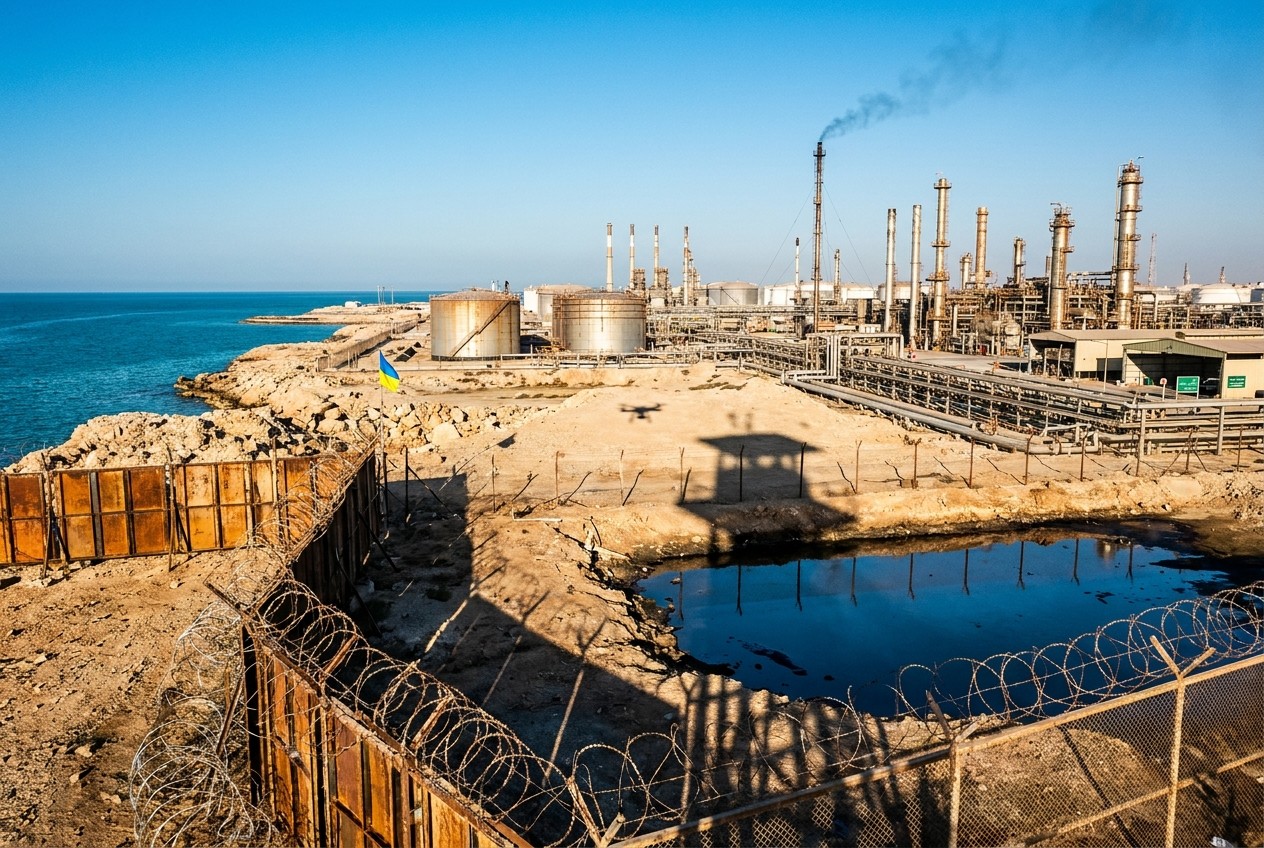
Iraq Detains Ukrainian Nationals Suspected in Plot Against Gulf Oil Facilities
By garrisonvance // Share

U.S. Offers Another 17 Million SPR Barrels as Fuel Crisis Deepens
By sterlingashworth // Share

U.S. Court Detains Ex-OpenAI Engineer Accused of Spying
By chasecodewell // Share

Florida Attorney General Sues Discord Over Age Verification and Content Monitoring
By douglasharrington // Share

IMF Chief Calls for AI Guardrails as Officials Weigh Economic Risks and Opportunities
By edisonreed // Share