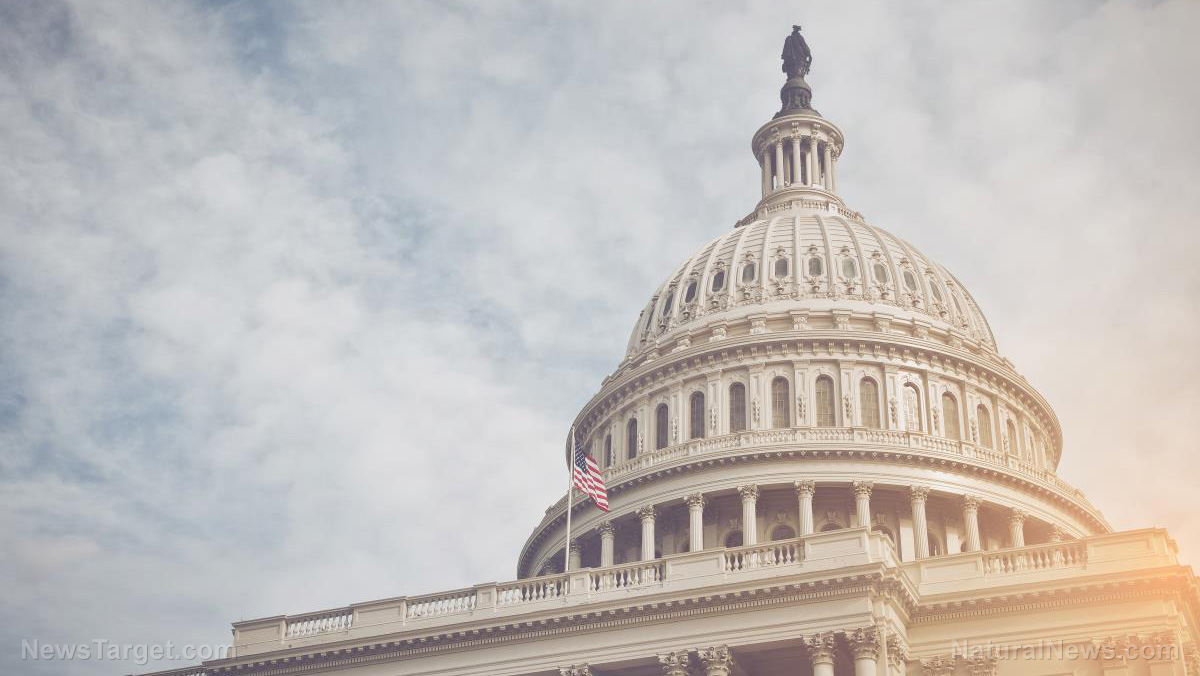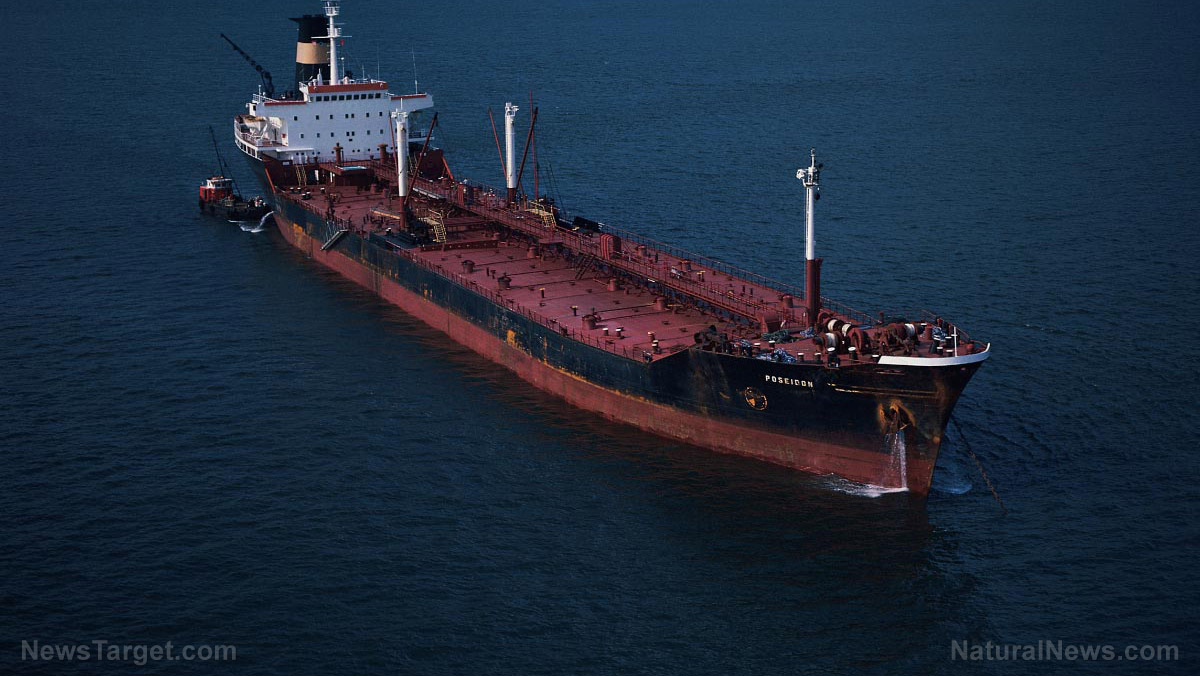
- Chevron has lowered the price of Venezuelan crude sold to U.S. refiners following the seizure of a sanctioned oil tanker by American forces.
- The seizure is part of a renewed Trump administration pressure campaign targeting the financial lifelines of Venezuela's Maduro regime.
- Despite escalating tensions, Chevron continues its sanctioned operations in Venezuela, selling multiple cargoes for January loading.
- The action tightens an already fragile export channel for Venezuelan oil, adding volatility to Gulf Coast energy markets.
- The move underscores a strategic shift back to a "maximum pressure" energy and sanctions policy toward Caracas.
The catalyst: A tanker seizure in the Caribbean
The chain of events began when U.S. forces intercepted and seized the tanker Skipper off the coast of Venezuela. The vessel, believed to be carrying sanctioned Venezuelan crude and allegedly en route to the United States, was diverted and anchored near the Dominican Republic. Within a day of this maritime interdiction—described by President Trump as "the largest one ever seized"—Chevron moved to sell a new batch of Venezuelan oil at a discounted price compared to offerings just days prior. Traders familiar with the matter confirmed the weakened pricing, noting the seized tanker's looming presence added downward pressure on an already soft Gulf Coast refining market.A return to "maximum pressure"
The tanker seizure was not an isolated incident but a tactical move within a broader sanctions offensive. The Trump administration has recently rolled out a wave of new designations, targeting three members of Maduro’s extended family, six shipping firms and multiple vessels linked to Venezuela’s opaque "shadow fleet." This network of aging tankers with disabled transponders has been crucial for state-owned PDVSA to circumvent sanctions and keep oil revenue flowing. By moving against these maritime and financial channels, Washington aims to collapse the regime's primary economic pillar, signaling a definitive end to the more permissive sanctions enforcement seen in prior years.Chevron's precarious position
Amid this escalating tension, Chevron remains the last major U.S. oil company operating in Venezuela, doing so under a restricted license granted by the U.S. Treasury Department. The company stated its operations continue "in full compliance" with all applicable laws and sanctions frameworks. In a sign of business continuity, Chevron marketed approximately ten cargoes of Venezuelan crude for loading in January. However, its need to suddenly discount prices reveals its vulnerability to geopolitical shocks. The company operates in a narrow corridor, balancing its joint ventures with PDVSA against the U.S. government's intensifying efforts to cripple the very system it relies upon for supply.Energy as a tool of statecraft
The use of energy sanctions and market access as instruments of foreign policy has deep roots in U.S.-Venezuela relations. For decades, Venezuela’s vast oil reserves were a source of mutual economic benefit. However, as the nation shifted toward authoritarian socialism under Hugo Chávez and then Maduro, its oil industry became a political weapon for the regime and a target for Washington. The current crackdown revives the "maximum pressure" doctrine, which views the regime’s oil income as its critical vulnerability. This approach aligns with a conservative national security perspective that prioritizes assertive action against adversarial states, leveraging American energy dominance and financial power to compel political change.Market and geopolitical repercussions
The immediate effect of the tightened enforcement is a depressed price for Venezuelan heavy crude, a feedstock prized by specific U.S. Gulf Coast refineries. In the longer term, it threatens to further degrade PDVSA’s already crippled export capacity, which relies on ad-hoc blending and a dwindling fleet of willing tankers. The move has drawn sharp condemnation from Caracas, which labeled it "international piracy," and prompted public assurances of support from Russia, highlighting how Venezuela remains a flashpoint in great power competition. For American consumers and energy advocates, the situation underscores the delicate balance between applying pressure for national security objectives and managing the volatility of global energy supplies.A tightening grip with uncertain outcomes
The discounted price of a batch of Venezuelan oil is more than a fleeting market anomaly; it is a direct gauge of escalating geopolitical strain. The Trump administration's seizure of the Skipper and the ensuing financial pressure demonstrate a committed return to a doctrine of energy-enabled coercion. While this strategy aims to precipitate the collapse of the Maduro regime by starving it of funds, it also tests the resilience of the remaining legal oil trade and introduces new risks into Western Hemisphere energy markets. As Chevron navigates these turbulent waters and Maduro seeks new lifelines, the United States has made clear that the financial and maritime channels supporting Caracas are now in its crosshairs, setting the stage for a prolonged contest of wills centered on the lifeblood of the Venezuelan state. Sources for this article include: RigZone.com OilPrice.com Bloomberg.com
A faceted crisis: The 2025 diamond crash reshapes a global industry
By Willow Tohi // Share
Minnesota childcare fraud case and developments in the global silver market
By Finn Heartley // Share


New study reveals “beer belly” fat poses greater heart risks than overall obesity
By Patrick Lewis // Share

By Lance D Johnson // Share
Iraq Detains Ukrainian Nationals Suspected in Plot Against Gulf Oil Facilities
By garrisonvance // Share
U.S. Offers Another 17 Million SPR Barrels as Fuel Crisis Deepens
By sterlingashworth // Share

U.S. Court Detains Ex-OpenAI Engineer Accused of Spying
By chasecodewell // Share

Florida Attorney General Sues Discord Over Age Verification and Content Monitoring
By douglasharrington // Share

IMF Chief Calls for AI Guardrails as Officials Weigh Economic Risks and Opportunities
By edisonreed // Share