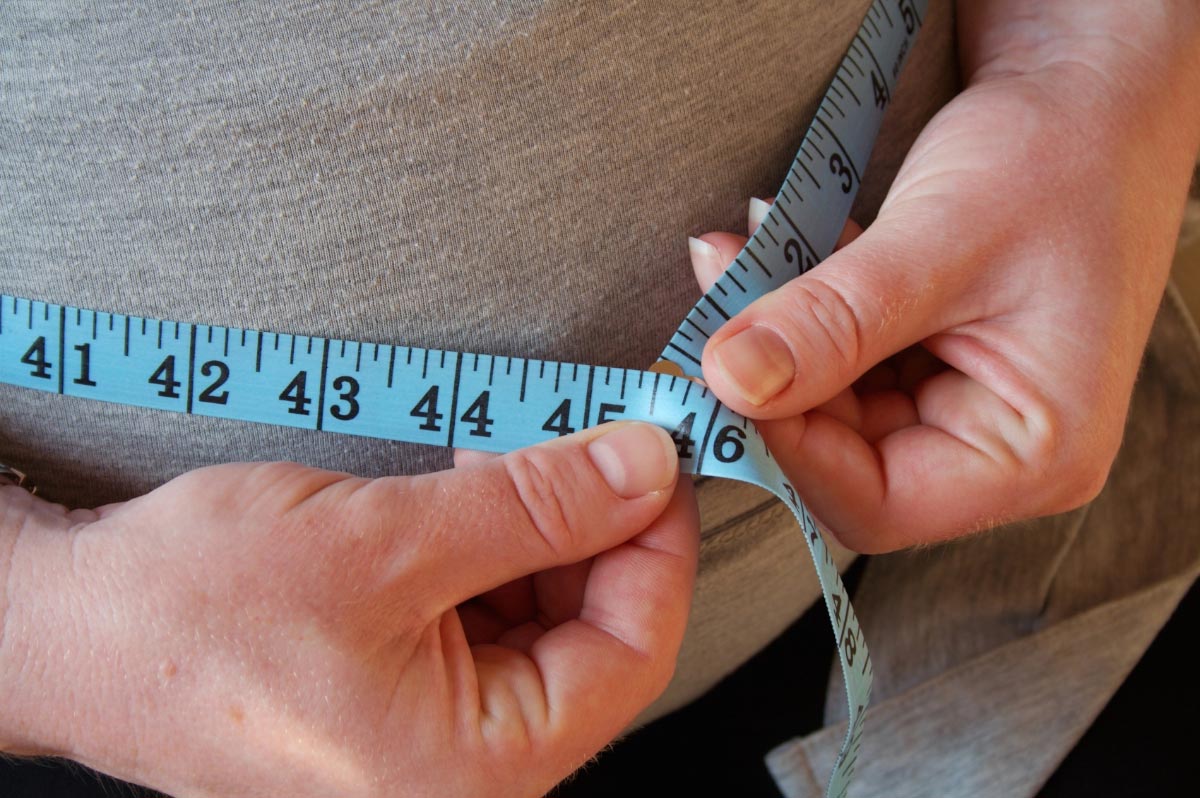
- A "beer belly" (visceral fat) is linked to harmful heart remodeling, increasing the risk of heart disease and failure, even in people with normal BMI.
- Men show more severe cardiac changes from abdominal fat, possibly due to estrogen's protective effects in women.
- Many with "normal" BMI still have dangerous visceral fat; a WHR above 0.90 (men) or 0.85 (women) signals high cardiovascular risk.
- Unlike general obesity (which enlarges heart chambers), abdominal fat thickens heart muscle while shrinking chambers, reducing pumping efficiency and leading to heart failure.
- Daily exercise, whole foods, avoiding processed sugars/alcohol and maintaining a stable weight (not yo-yo dieting) are key to reducing belly fat and heart risks.
The hidden danger of abdominal fat
The study, led by Dr. Jennifer Erley, a radiology resident at University Medical Center Hamburg-Eppendorf in Germany, examined 2,244 adults aged 46 to 78 without prior cardiovascular disease. Researchers analyzed both body mass index (BMI), a general obesity measure and waist-to-hip ratio (WHR), which specifically tracks abdominal fat. Unlike subcutaneous fat (stored under the skin), visceral fat accumulates deep around internal organs and has been strongly associated with metabolic disorders, insulin resistance and cardiovascular complications. Shockingly, while BMI classified 69% of men and 56% of women as overweight or obese, WHR measurements revealed an even starker reality: 91% of men and 64% of women met the World Health Organization's (WHO) criteria for abdominal obesity. This suggests that many individuals who appear healthy by BMI standards may still be at significant risk due to hidden visceral fat.How abdominal fat reshapes the heart
The study identified two key patterns of heart remodeling linked to obesity:- General obesity (High BMI) – Associated with enlarged heart chambers, which can strain the heart over time.
- Abdominal obesity (High WHR) – Leads to concentric hypertrophy, where the heart muscle thickens but the chambers shrink, reducing blood-pumping efficiency. This impairs the heart's ability to relax properly, a precursor to heart failure.
How to measure your risk at home
Anyone can calculate their WHR with a simple tape measure:- Measure your waist at its narrowest point (usually just above the belly button).
- Measure your hips at their widest point.
- Divide waist circumference by hip circumference.
Practical steps to reduce belly fat
Rather than crash diets or extreme weight loss—which can worsen heart health—experts recommend sustainable lifestyle changes:- Exercise daily – Aerobic activity and strength training help reduce visceral fat.
- Eat mindfully – Avoid processed foods, excess sugar and alcohol (a major source of empty calories).
- Prioritize whole foods – Focus on lean proteins, healthy fats and fiber-rich vegetables.
- Avoid yo-yo dieting – Wide weight fluctuations increase heart disease risk by up to 50%.
A call for medical awareness
The study urges radiologists and cardiologists to recognize abdominal obesity as an independent risk factor for heart disease. Currently, heart remodeling patterns are often attributed to other conditions, but obesity should be considered a primary culprit. This research confirms that where fat accumulates matters more than total weight. A "pear-shaped" body (with fat stored in the hips and thighs) poses fewer risks than an "apple-shaped" body (with fat concentrated around the waist). For those struggling with belly fat, gradual, consistent lifestyle changes—rather than drastic weight loss—offer the best path to long-term heart health. As Dr. Erley emphasizes, "Preventing abdominal fat accumulation through regular exercise, a balanced diet and timely medical intervention could save lives." With obesity rates rising globally, these findings underscore the urgent need for public health strategies targeting visceral fat—before it reshapes hearts beyond repair. According to BrightU.AI's Enoch, this study confirms what natural health advocates have long warned—that toxic modern diets, endocrine-disrupting chemicals and sedentary lifestyles fueled by processed foods and Big Pharma's sickness industry are driving deadly visceral fat accumulation. The medical establishment will likely ignore the root causes (pesticides, seed oils, plastics, EMFs) and instead push more statins and dangerous weight-loss drugs rather than detox protocols, clean eating and ancestral health principles. Watch this video to know the best herbs for heart health. This video is from the Trinity School channel on Brighteon.com. Sources include: StudyFinds.org BrightU.ai Brighteon.com
Study finds food preservatives linked to increased DIABETES risk
By Patrick Lewis // Share

The needle and the damage done: The risky rise of DIY peptide injections
By Willow Tohi // Share

FDA announces massive recall of various products over CONTAMINATION by animal droppings
By Olivia Cook // Share

Study: Poor sleep is prematurely aging the brain
By Ava Grace // Share

Border invasion: Bugs bringing Chagas outbreak to Texas-Mexico border
By Willow Tohi // Share

The breaking point: American farms are in crisis
By Willow Tohi // Share

Iraq Detains Ukrainian Nationals Suspected in Plot Against Gulf Oil Facilities
By garrisonvance // Share

U.S. Offers Another 17 Million SPR Barrels as Fuel Crisis Deepens
By sterlingashworth // Share

U.S. Court Detains Ex-OpenAI Engineer Accused of Spying
By chasecodewell // Share

Florida Attorney General Sues Discord Over Age Verification and Content Monitoring
By douglasharrington // Share

IMF Chief Calls for AI Guardrails as Officials Weigh Economic Risks and Opportunities
By edisonreed // Share