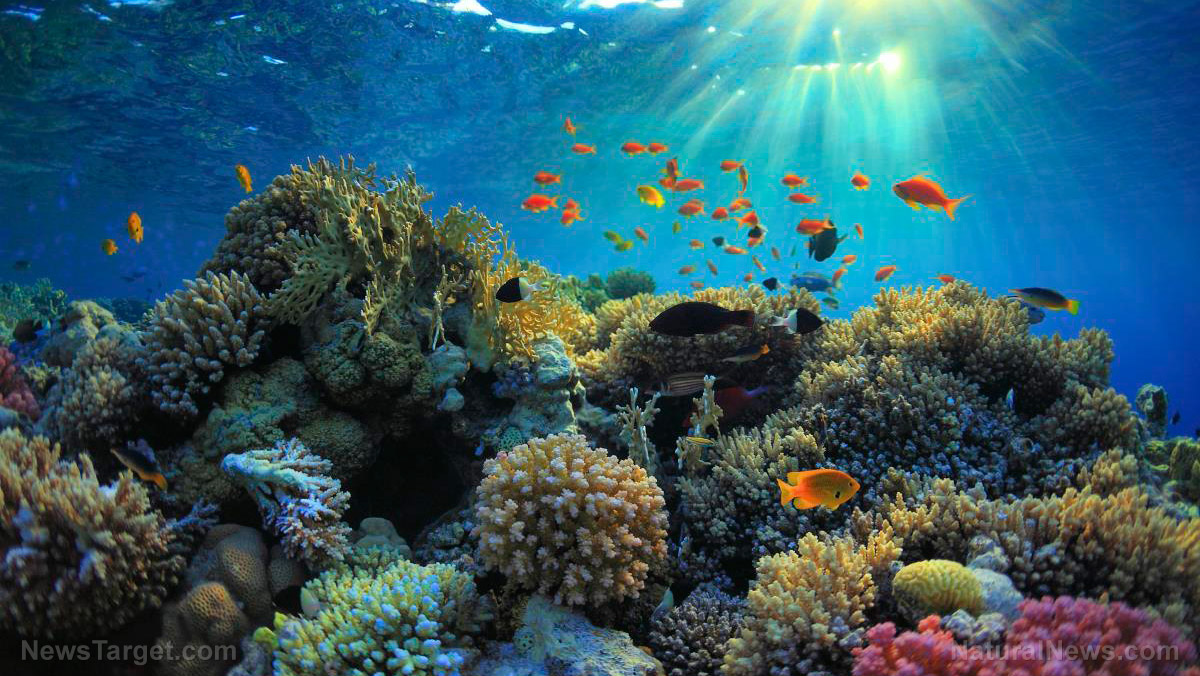
- A mysterious pandemic is devastating vital sea urchin populations globally.
- In the Canary Islands, some sea urchin populations have collapsed by over 99%.
- These urchins are crucial grazers that keep algae in check and support healthy reefs.
- The die-off has triggered a reproductive collapse, preventing natural recovery.
- The unidentified pathogen threatens marine ecosystems and the human communities that depend on them.
A global pattern emerges
This is not an isolated incident. "At approximately the same time, other Diadema species have been observed to be dying off in the Caribbean, the Mediterranean, the Red Sea, the Sea of Oman, and the western Indian Ocean," Cano explained. The simultaneous global scale indicates a widespread marine pandemic targeting these key grazers. The pathogen responsible remains unidentified, though similar die-offs have been linked to parasitic single-celled organisms like ciliates or amoebae. The historical context makes this latest event particularly dire. Similar mass mortality struck the region in 2008 and 2018, but populations showed a capacity for rapid rebound. The 2022-2023 outbreak is different. It was followed by a second wave in 2023, and crucially, the sea urchins have essentially stopped reproducing. Research found negligible numbers of larvae and no early juveniles on the eastern coast of Tenerife, signaling a reproductive collapse that threatens any natural recovery.Why sea urchins are indispensable
To understand the gravity of this loss, one must recognize the sea urchin’s role as an ecosystem engineer. Like large grazers on land, these spiny creatures constantly feed on seaweed and seagrass. This grazing is essential; it controls fast-growing algae, clearing space for slow-growing, foundational species like corals and calcifying algae to thrive. In this way, healthy urchin populations help maintain biodiverse and productive rocky reefs. The concern for humanity is direct and profound. Coral reefs and healthy algal forests support immense fisheries, protect coastlines from storm surges, and drive tourism economies. A loss of the urchins that help maintain these systems can trigger a cascade of degradation. As algae grow unchecked, they can smother corals, reduce habitat complexity for fish, and fundamentally alter the food web. The study authors warn of "serious consequences for these key reef grazers." The source of the pandemic remains a troubling mystery. "Without a confirmed identification, we cannot say whether the agent arrived from the Caribbean by currents or shipping, or whether climate change is to blame," Cano stated. This uncertainty hampers the global response. Furthermore, the initial population boom of these urchins was likely fueled by the overfishing of their natural predators, demonstrating how easily our actions disrupt oceanic equilibrium. While some Diadema populations in Southeast Asia and Australia remain unaffected for now, scientists are on alert. "We aren't yet sure how this pandemic will evolve," Cano cautioned. The precarious state of the Canary Islands populations serves as a warning. The near-total silence from the seafloor where these urchins once thrived is a quiet alarm bell. It signals a broken link in a chain that supports the ocean's vitality, a reminder that the most critical threats often remain hidden beneath the surface until their effects are irreversible. The health of our oceans, and by extension our own future, may depend on solving this aquatic mystery before it is too late. Sources for this article include: ScienceDaily.com FrontiersIn.org TheGuardian.com Earth.com
A solid step forward: New materials aim to simplify carbon capture from air
By Willow Tohi // Share


Weight loss in midlife may trigger brain inflammation, study finds
By Ava Grace // Share

Scientists demonstrate how perfect magnetic symmetry can cancel energy loss
By Kevin Hughes // Share

A fish lost to science reappears, offering a “last chance” for conservation
By Willow Tohi // Share


Iraq Detains Ukrainian Nationals Suspected in Plot Against Gulf Oil Facilities
By garrisonvance // Share

U.S. Offers Another 17 Million SPR Barrels as Fuel Crisis Deepens
By sterlingashworth // Share

U.S. Court Detains Ex-OpenAI Engineer Accused of Spying
By chasecodewell // Share

Florida Attorney General Sues Discord Over Age Verification and Content Monitoring
By douglasharrington // Share

IMF Chief Calls for AI Guardrails as Officials Weigh Economic Risks and Opportunities
By edisonreed // Share
