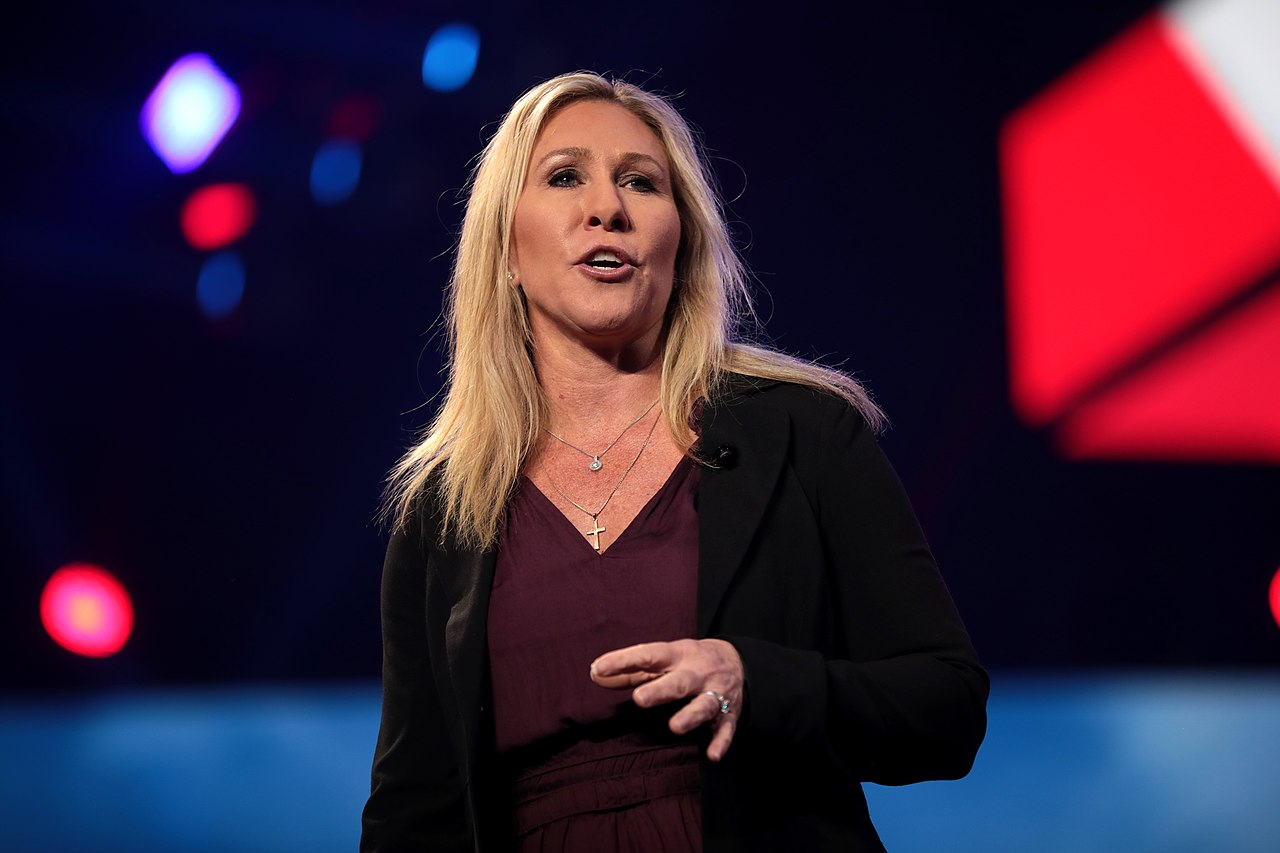
- The U.S. House narrowly approved the Protect Children's Innocence Act (216-211), criminalizing gender-related medical interventions (puberty blockers, hormones, surgeries) for minors, with penalties including fines and up to 10 years in prison for providers.
- Republicans, led by Rep. Marjorie Taylor Greene (R-GA), framed the bill as protecting kids from "irreversible harm," while Democrats and the ACLU condemned it as "cruel" government overreach interfering with parental rights and medical decisions.
- Rep. Chip Roy (R-TX) clashed with Greene over federal authority, proposing an amendment to limit federal jurisdiction, but withdrew it to maintain party unity against "grotesque procedures."
- The bill faces near-certain failure in the Democrat-controlled Senate, mirroring state-level battles like Texas' SB 14, which was upheld by courts after legal challenges.
- The vote reflects a deepening national divide over medical ethics, parental autonomy and government's role in healthcare, ensuring the issue remains politically contentious.
The fight over who decides medical procedures for teens
Democrats overwhelmingly condemned the bill as government overreach that would criminalize healthcare decisions between parents, children and doctors. Rep. Mark Takano (D-CA) blasted the legislation as "the most extreme anti-transgender bill to ever pass Congress." "If this bill becomes law, doctors, pharmacists and—in some circumstances—the parents of young trans people, would face time in prison for choosing to prioritize their child's health," Takano warned. "This bill is beyond cruel, and its passage will forever be a stain on the institution of the United States Congress." The American Civil Liberties Union (ACLU) echoed these concerns. It argued that the bill sets a "dangerous precedent" by allowing politicians to dictate medical care. "Politicians should never prohibit parents from doing what is best for their transgender children," said Mike Zamore, ACLU's national director of policy. "These families often spend years considering how best to support their children, only to have ill-equipped politicians interfere by attempting to criminalize the health care that they, their children and their doctors believe is necessary." The bill's passage was not without internal GOP conflict. Rep. Chip Roy (R-TX), a member of the House Rules Committee, introduced an amendment that Greene claimed would "gut the commerce clause" by limiting federal jurisdiction over the issue. While Greene publicly rebuked Roy on social media for his refusal to protect children, the Texas congressman defended his stance, arguing for constitutional restraint. "The constitution matters and we should not bastardize it to use 'interstate commerce' to empower federal authorities," Roy said. However, Roy ultimately withdrew the amendment, stating he wanted to avoid confusion and present a united Republican front against "these grotesque procedures."Greene's bill heads to the Senate, but will it prosper?
Despite its House success, the bill faces near-certain defeat in the Democrat-controlled Senate, where Republicans would need bipartisan support to overcome procedural hurdles. Meanwhile, states like Texas have already enacted similar bans. Last June, Gov. Greg Abbott (R-TX) signed Senate Bill 14, prohibiting gender-affirming care for minors. Though temporarily blocked by a lower court, the Texas Supreme Court upheld the law, allowing it to take effect. The "Protect Children's Innocence Act" underscores a deepening cultural rift over parental rights, medical ethics and government intervention in healthcare. While proponents argue it shields children from irreversible harm, opponents warn it endangers vulnerable youth by denying medically accepted treatments. As the debate heads to the Senate, the bill's fate remains uncertain. However, its passage in the House ensures that the battle over transgender healthcare for minors will remain a flashpoint in American politics. Watch this report about the Idaho House voting to ban gender-related medical procedures for any person under 18. This video is from the In Search Of Truth channel on Brighteon.com. Sources include: ZeroHedge.com FoxNews.com News.MEAWW.com TheHill.com BrightU.ai Brighteon.com

New research links aspartame to increased stroke risk
By Ava Grace // Share


Shadow Wars: Uncovering the silent war against national sovereignty
By Kevin Hughes // Share

Russia unleashes hypersonic missiles in retaliatory strikes across Ukraine
By Zoey Sky // Share

Research reveals “lifesaving” cancer treatment linked to NEW CANCER development in patients
By Evangelyn Rodriguez // Share

Iraq Detains Ukrainian Nationals Suspected in Plot Against Gulf Oil Facilities
By garrisonvance // Share

U.S. Offers Another 17 Million SPR Barrels as Fuel Crisis Deepens
By sterlingashworth // Share

U.S. Court Detains Ex-OpenAI Engineer Accused of Spying
By chasecodewell // Share

Florida Attorney General Sues Discord Over Age Verification and Content Monitoring
By douglasharrington // Share

IMF Chief Calls for AI Guardrails as Officials Weigh Economic Risks and Opportunities
By edisonreed // Share
