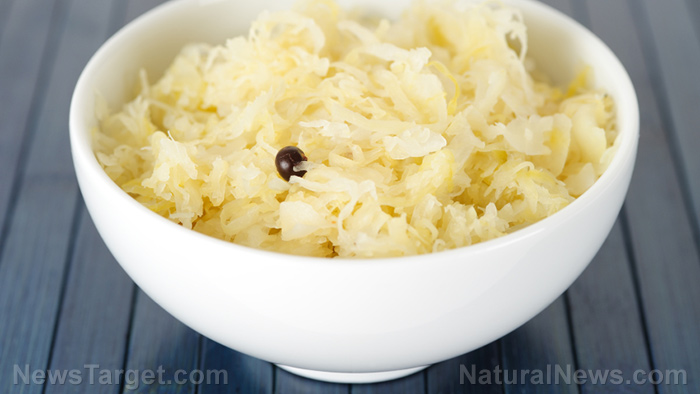
- Sauerkraut, a fermented cabbage dish, is a potent source of probiotics, digestive enzymes and vitamins that support gut health.
- A healthy gut microbiome, influenced by foods like sauerkraut, is linked to improved digestion, immunity and even brain function.
- The fermentation process enhances cabbage's nutritional profile, creating beneficial bacteria and increasing nutrient absorption.
- Making sauerkraut at home requires only cabbage, salt and basic kitchen tools, bypassing the need for commercial starters.
- Regular consumption of raw, unpasteurized sauerkraut can be a simple, dietary approach to supporting overall digestive and systemic health.
The central role of the gut ecosystem
The foundation of sauerkraut's value lies in its direct support of the gut microbiome, the complex community of trillions of microorganisms residing in the digestive tract. This microbiome is not passive; it is integral to breaking down food, absorbing nutrients and training the immune system. Contemporary research continues to reveal extensive communication pathways between the gut and other body systems, notably the brain—a link known as the gut-brain axis. Disruptions in microbial balance can therefore manifest not only in digestive symptoms but also in broader issues like inflammation, fatigue and mood changes. Incorporating microbiome-friendly foods is a strategic step in maintaining this critical internal equilibrium.Why cabbage is an ideal fermentation vehicle
Cabbage provides the perfect substrate for creating a health-promoting fermented food. It is naturally rich in fiber, which acts as a prebiotic—food for beneficial gut bacteria—once fermented. It also contains an array of vitamins and minerals, including immune-supporting vitamin C and vitamin K. The fermentation process, driven by naturally occurring lactic acid bacteria on the cabbage leaves, preserves these nutrients and amplifies the food's value. The bacteria produce enzymes and probiotics, and generate vitamins like K2, creating a final product more digestible and nutrient-rich than raw cabbage.The simple alchemy of homemade fermentation
Creating sauerkraut at home demystifies the process and ensures a live, probiotic-rich product. The method is straightforward, requiring only cabbage, salt, a suitable jar and patience. Thinly sliced cabbage is massaged with salt, which draws out its natural juices to create a brine and temporarily inhibits undesirable microbes. This cabbage-and-brine mixture is then packed tightly into a jar, ensuring it remains submerged in the liquid—an anaerobic environment where beneficial lactic acid bacteria can thrive. Over several days to weeks at room temperature, these bacteria ferment the natural sugars, producing lactic acid that preserves the cabbage and gives sauerkraut its signature tang. This acidification creates an environment where pathogens cannot survive, resulting in a stable, nutritious food.Integrating sauerkraut into a modern diet
Once fermentation is complete, sauerkraut offers versatile culinary uses while delivering its health benefits. It can be consumed raw, maintaining the full integrity of its probiotics and enzymes, often recommended as a condiment or a small side dish. Traditionally, it is also cooked, as in classic German preparations served with sausages. For those new to fermented foods, starting with a few tablespoons of the juice or the sauerkraut itself before meals can gently introduce probiotics and stimulate digestive juices. The key is regular, modest consumption to consistently support the gut flora.A timeless prescription for contemporary wellness
The enduring legacy of sauerkraut, from its ancient origins to its current status as a gut-health superfood, underscores a timeless principle: some of the most powerful healing tools can be cultivated in our own kitchens. Its revival is more than a culinary trend; it represents a proactive shift towards using whole, fermented foods as a cornerstone of preventive health. By embracing the simple, transformative process of turning cabbage into sauerkraut, individuals reclaim a direct role in nurturing their digestive ecosystem, connecting to a food tradition that sustains the body with every tart, crunchy bite. Sources for this article include: TheEpochTimes.com Nature.com Healthline.com
Dark chocolate compound linked to slower aging in groundbreaking DNA study
By Ava Grace // Share

Your gut bacteria may hold the key to better sleep, new research suggests
By Cassie B. // Share
Eat your way to a healthier brain: The top anti-aging foods for cognitive longevity
By Patrick Lewis // Share

Natural solutions for the double burden of depression and anxiety
By News Editors // Share

UK implements junk food ad ban while food industry finds ways around new rules
By Cassie B. // Share
By Lance D Johnson // Share

Iraq Detains Ukrainian Nationals Suspected in Plot Against Gulf Oil Facilities
By garrisonvance // Share

U.S. Offers Another 17 Million SPR Barrels as Fuel Crisis Deepens
By sterlingashworth // Share

U.S. Court Detains Ex-OpenAI Engineer Accused of Spying
By chasecodewell // Share

Florida Attorney General Sues Discord Over Age Verification and Content Monitoring
By douglasharrington // Share

IMF Chief Calls for AI Guardrails as Officials Weigh Economic Risks and Opportunities
By edisonreed // Share
