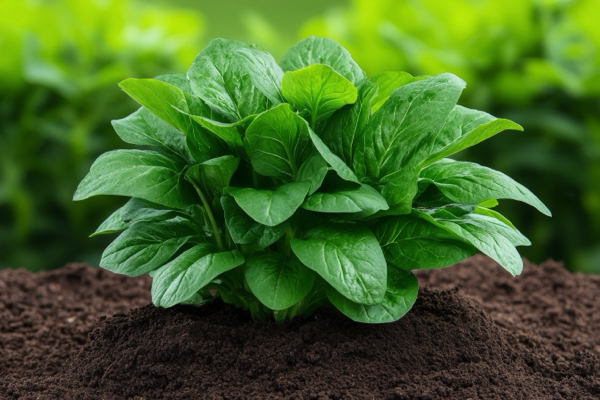
- Sorrel has been used for centuries for its cleansing, immune-boosting and digestive properties. It's rich in vitamin C, antioxidants and plant compounds that support overall wellness.
- Different sorrel varieties offer unique benefits: common sorrel aids digestion and reduces fevers; French sorrel has a milder flavor with anti-inflammatory effects; red-veined sorrel supports detoxification and kidney health; and Jamaican sorrel is rich in anthocyanins that help lower blood pressure and promote heart health.
- Sorrel varieties contain bioactive compounds that help fight oxidative stress, reduce inflammation and may support skin, immune and cardiovascular health.
- Traditional uses include relieving indigestion, acting as a natural diuretic and promoting detox through liver and kidney support.
- Sorrel can be used in teas, soups, sauces and beverages, ranging from French creamy soups to Caribbean hibiscus drinks, bringing tangy flavor and vibrant nutrition to diverse recipes.
A timeless herb with a tangy appeal
Sorrel refers to several plants within the Rumex genus, part of the Polygonaceae family. Recognizable by its arrow-shaped leaves and tangy flavor, sorrel thrives in temperate climates and well-drained soils. The name "sorrel" is derived from Old French "surele" – meaning sour. Sorrel is available in several varieties – each with distinctive characteristics or unique traits that make it a valuable addition to herbal gardens and natural medicine cabinets.Common sorrel (Rumex acetosa)
This is the classic or quintessential sorrel – the most widely recognized type, known for its broad, vibrant green, lance-like leaves and sharp, tangy flavor. Its bold taste makes it a favorite ingredient in soups, such as the classic French "soupe a l'oseille," as well as salads and stews. In traditional medicine, common sorrel has been valued for aiding digestion and reducing fevers, thanks to its rich vitamin C content and antioxidants. Thriving in cooler climates with partial shade, this variety is well-suited for gardens in the northern and northeastern regions of the U.S. (e.g. New England and the Upper Midwest, predominantly those that fall within Zones 3-7), where it flourishes in nutrient-rich and well-drained soil.French sorrel (Rumex scutatus)
With its smaller, rounder leaves, French sorrel offers a milder, more refined delicate lemon flavor compared to its common counterpart. This subtlety makes it a popular choice for gourmet dishes, particularly cream-based sauces, herb butters and elegant pairings with fish or poultry. It is also a delightful addition to fresh salads. Traditionally, French sorrel has been used for its anti-inflammatory and antioxidant properties, which may support digestion and strengthen the immune system. It thrives in warmer climates, preferring full sun to partial shade and well-drained soil – making it a good fit for southwestern regions, like parts of California, Arizona and Texas. Southern states in Zones 8-9, like Florida and southern Georgia, also align.Red-veined sorrel (Rumex sanguineus)
Standing out not only for its flavor but also for its visual appeal, red-veined sorrel's dark green leaves are etched with striking red veins – making it a beautiful addition to any culinary creation or herb garden. Its mild tanginess works well in fresh salads or as an eye-catching garnish – bringing both color and flavor to a dish. Rich in vitamin C and antioxidants, red-veined sorrel has been traditionally used for detoxification and skin health, as well as for its diuretic properties, which support kidney function. While this variety tolerates cooler climates, like the northern Midwest (Zones 4-5), it can also thrive in the warmer parts of the Midwest or southern U.S. states (Zones 6-9), where its preference for partial shade and nutrient-rich soil can be easily met.Jamaican sorrel (Hibiscus sabdariffa)
Unlike the leafy varieties, Jamaican sorrel is prized for its vibrant red calyces rather than its foliage. These "sepals" or "flower pods" are often brewed into tart, refreshing beverages that are a staple in Caribbean cuisine, especially during festive seasons. Beyond its culinary uses, Jamaican sorrel is rich in anthocyanins – compounds known for their anti-inflammatory and antioxidant benefits. It has been used traditionally to lower blood pressure, enhance immunity and support heart health. This variety thrives in tropical and subtropical climates – making it ideal for states like Florida and parts of southern California and Texas (Zones 8-11), where abundant heat and sunlight mimic its native environment. Watch this video to learn more about sorrel. This video is from the Daily Videos channel on Brighteon.com.Sources include:
WildFoodUK.com BrightU.ai HealthifyMe.com EverydayFrenchChef.com Brighteon.com

The graceful aging code: Daily habits to forge a longer, healthier life
By Willow Tohi // Share

Natural remedies and TCM techniques to soothe holiday indigestion
By Evangelyn Rodriguez // Share
Chinese root beats methotrexate for rheumatoid arthritis relief
By News Editors // Share
From festive fir to healing balm: The sustainable second life of the Christmas tree
By Willow Tohi // Share


Iraq Detains Ukrainian Nationals Suspected in Plot Against Gulf Oil Facilities
By garrisonvance // Share

U.S. Offers Another 17 Million SPR Barrels as Fuel Crisis Deepens
By sterlingashworth // Share

U.S. Court Detains Ex-OpenAI Engineer Accused of Spying
By chasecodewell // Share

Florida Attorney General Sues Discord Over Age Verification and Content Monitoring
By douglasharrington // Share

IMF Chief Calls for AI Guardrails as Officials Weigh Economic Risks and Opportunities
By edisonreed // Share