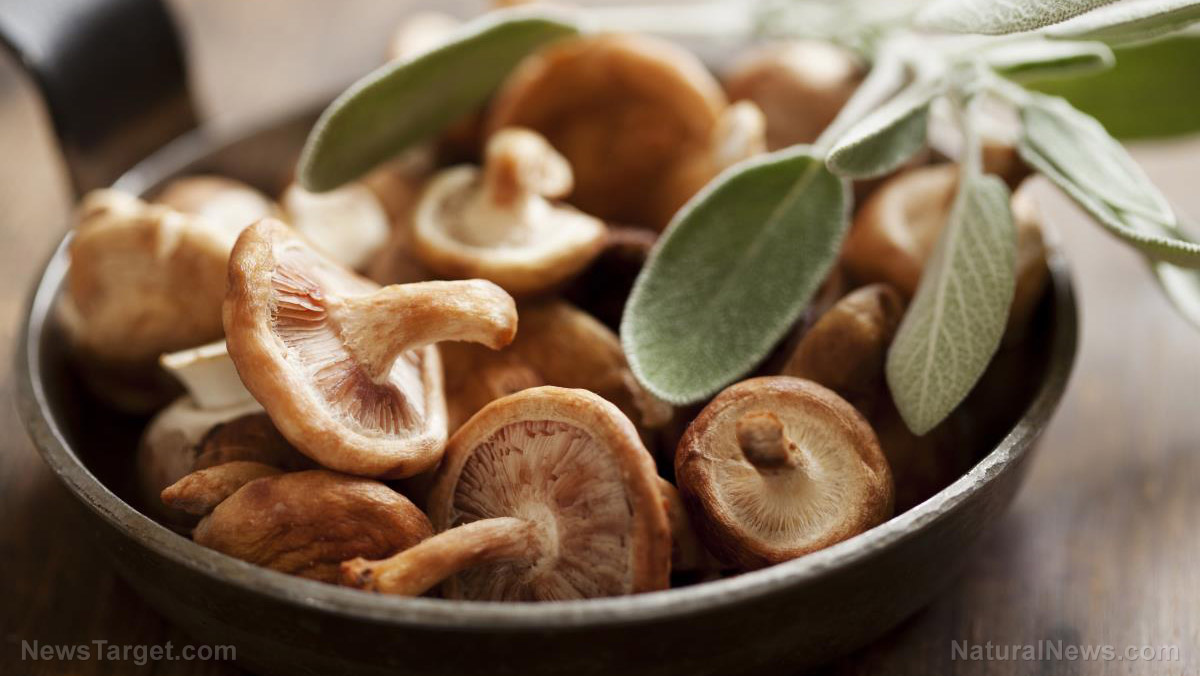
- New scientific review highlights multiple edible mushrooms, including shiitake and reishi, as potent fighters against colon cancer cells in laboratory studies.
- These fungi work differently from conventional drugs, attacking cancer through several pathways simultaneously, such as triggering cell death and halting tumor growth.
- Researchers note a synergistic effect when combining mushroom varieties, creating a complementary anticancer strategy difficult to replicate with single-chemical drugs.
- Experts suggest incorporating medicinal mushrooms into the diet and considering quality extracts as part of a holistic approach to prevention and support.
- The findings underscore a growing focus on natural, multi-targeted strategies to address the root causes of cancer, such as inflammation and oxidative stress.
A multi-targeted assault on cancer cells
The conventional pharmaceutical approach to cancer often involves designing a drug to interrupt one specific cellular pathway. Cancer cells, however, are notoriously adept at developing resistance to such singular attacks. The emerging science on medicinal mushrooms reveals a fundamentally different, more comprehensive strategy. Bioactive compounds within these fungi—including polysaccharides, terpenoids and glycoproteins—engage in a coordinated assault on cancer from multiple angles simultaneously. For instance, shiitake mushrooms contain lentinan, a compound shown in laboratory studies to help rebuild the intestinal barrier and suppress tumor proliferation. Reishi mushrooms demonstrate an ability to induce apoptosis, or programmed cell death, across various colon cancer cell lines, effectively forcing malignant cells to self-destruct. Meanwhile, lion’s mane mushroom extracts have been observed to halt cancer cell division by arresting their growth cycle, preventing tumor expansion. This multi-mechanism approach, which also includes modulating the immune system and reducing cancer-fueling inflammation, presents a significant tactical advantage.Synergy and the limitations of the isolated compound model
A critical insight from the research is the concept of synergy. Studies indicate that combining extracts from different mushroom species often yields superior anticancer effects compared to using a single type alone. Each mushroom contributes a unique profile of bioactive compounds—such as beta-glucans, phenols and sterols—that complement each other, creating an enhanced therapeutic effect. This synergistic action challenges the prevailing pharmaceutical model, which typically seeks to isolate and patent a single "magic bullet" compound. The holistic, multi-component nature of whole mushrooms is difficult to replicate synthetically, which may partly explain their historical oversight in mainstream oncology, a field built on patentable, isolated chemical entities.Wisdom of the ancients meets modern rigor
The use of mushrooms like reishi and cordyceps in traditional healing systems, particularly within Traditional Chinese Medicine, spans millennia, where they were revered for promoting vitality and longevity. Today’s sophisticated laboratory techniques are now decoding the molecular mechanisms behind this ancient wisdom. Researchers are elucidating how mushroom polysaccharides interact with complex cell signaling pathways that govern cell survival, growth and immune response. This scientific validation bridges a historical gap, transforming folk remedy into evidence-based nutraceutical science and answering a pressing need for innovative, affordable and minimally invasive supportive therapies.Integrating evidence into a holistic health strategy
For individuals interested in proactive health, this research translates into actionable strategies that extend beyond the laboratory. Experts in integrative health advocate for a layered approach:- Incorporate a variety of culinary medicinal mushrooms—such as shiitake, maitake and oyster mushrooms—into the regular diet, cooking them thoroughly to increase bioavailability.
- Consider high-quality, standardized extracts (like those from reishi or turkey tail) for more concentrated therapeutic support, particularly for beta-glucan content.
- Address foundational health pillars that influence cancer risk: reducing chronic inflammation through diet, supporting the body’s detoxification pathways and minimizing exposure to dietary and environmental toxins.
A new paradigm for prevention and support
The growing validation of medicinal mushrooms represents more than just the discovery of new anti-cancer compounds; it signifies a shift toward a more holistic, systems-based understanding of health and disease management. These fungi do not merely poison a target but work to restore balance—enhancing immune surveillance, calming inflammation and leveraging the body’s innate apoptotic machinery. As the limitations and exorbitant costs of conventional mono-therapies become increasingly apparent, these natural, multi-targeted agents offer a compelling avenue for prevention and integrative support. They empower a return to the principle of using whole food and natural remedies to fortify the body’s inherent defenses, providing a powerful, accessible tool in the ongoing effort to turn the tide against colon cancer. Sources for this article include: NaturalHealth365.com PubMed.com ScienceDirect.com
How depression in later life may herald Parkinson’s and dementia
By Ava Grace // Share


Rooted in science: How embracing trees is emerging as a valid public health practice
By Willow Tohi // Share

HHS launches study on cellphone radiation risks as FDA removes safety claims
By Belle Carter // Share
Take control of your brain health: Simple lifestyle changes can slash dementia risk by 45%
By Patrick Lewis // Share

The midlife crossroads: How choices in 40s and 50s forge your future health
By Ava Grace // Share

Iraq Detains Ukrainian Nationals Suspected in Plot Against Gulf Oil Facilities
By garrisonvance // Share

U.S. Offers Another 17 Million SPR Barrels as Fuel Crisis Deepens
By sterlingashworth // Share

U.S. Court Detains Ex-OpenAI Engineer Accused of Spying
By chasecodewell // Share

Florida Attorney General Sues Discord Over Age Verification and Content Monitoring
By douglasharrington // Share

IMF Chief Calls for AI Guardrails as Officials Weigh Economic Risks and Opportunities
By edisonreed // Share
