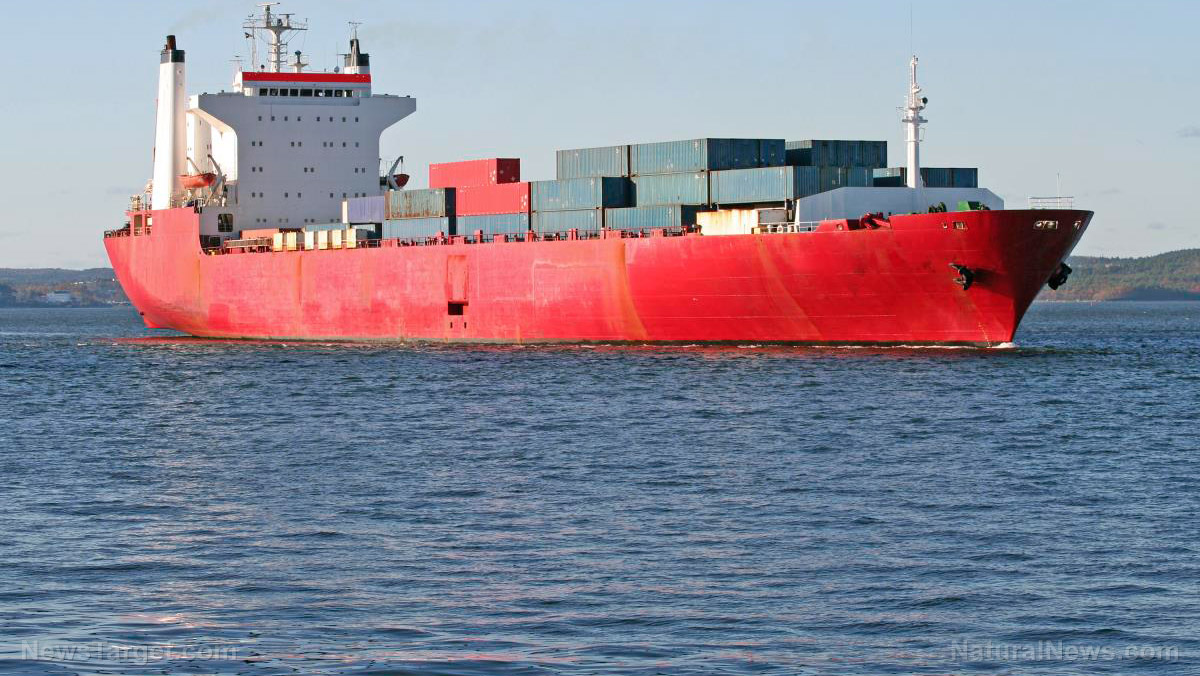
- Satellite imagery reveals China converting cargo ships into missile platforms, equipped with vertical launch cells, advanced radar and defensive weapons—effectively matching the firepower of a U.S. Navy destroyer while disguised as commercial vessels.
- Containerized missile systems allow China to quickly weaponize civilian ships, leveraging its massive merchant fleet (over 5,000 vessels) for asymmetric warfare, overwhelming adversaries with sheer numbers.
- These disguised warships could position near critical chokepoints (Panama Canal, Strait of Hormuz) or U.S. coastal waters, enabling surprise attacks while exploiting legal ambiguities around targeting civilian-appearing vessels.
- China's control of maritime trade routes (50% of global commerce passes through the South China Sea) means blockades or supply chain attacks could cripple economies before conventional defenses react.
- With China's shipbuilding advantage (200:1 drydock capacity) and hybrid warfare tactics, traditional naval strategies may be ineffective, forcing the U.S. and allies to adapt to a new era of undetectable, mobile missile threats.
China's asymmetric warfare strategy
China's civil-military fusion doctrine has long aimed to weaponize civilian infrastructure, but this latest development takes it to a new level. With the world's largest merchant fleet (over 5,000 vessels), Beijing could theoretically convert hundreds of cargo ships into missile carriers overnight, overwhelming adversaries with sheer numbers. "This is a moving arsenal ship," declared a defense analyst, stunned by the implications. Unlike traditional warships, these disguised platforms could exploit commercial shipping lanes, making them harder to detect and target. If conflict erupts, China could unleash massive saturation strikes from seemingly civilian vessels, crippling enemy defenses before they even identify the threat. The U.S. Navy, already struggling to match China's shipbuilding dominance (200:1 drydock capacity advantage), faces a nightmare scenario:- Undetectable missile threats: China could position armed cargo ships near strategic chokepoints (Panama Canal, Strait of Hormuz) or even U.S. ports, ready to strike without warning.
- Economic warfare: Blockades or surprise attacks on supply chains could paralyze global trade, leveraging China's control over half of all maritime commerce passing through the South China Sea.
- Legal and ethical dilemmas: Attacking a ship that looks civilian risks violating international law, while ignoring it invites devastating missile salvos.

Various food products RECALLED over salmonella contamination, exposing food safety failures
By Olivia Cook // Share

By Finn Heartley // Share

Decentralized AI vs. Centralized Control: The fight for information freedom
By Finn Heartley // Share
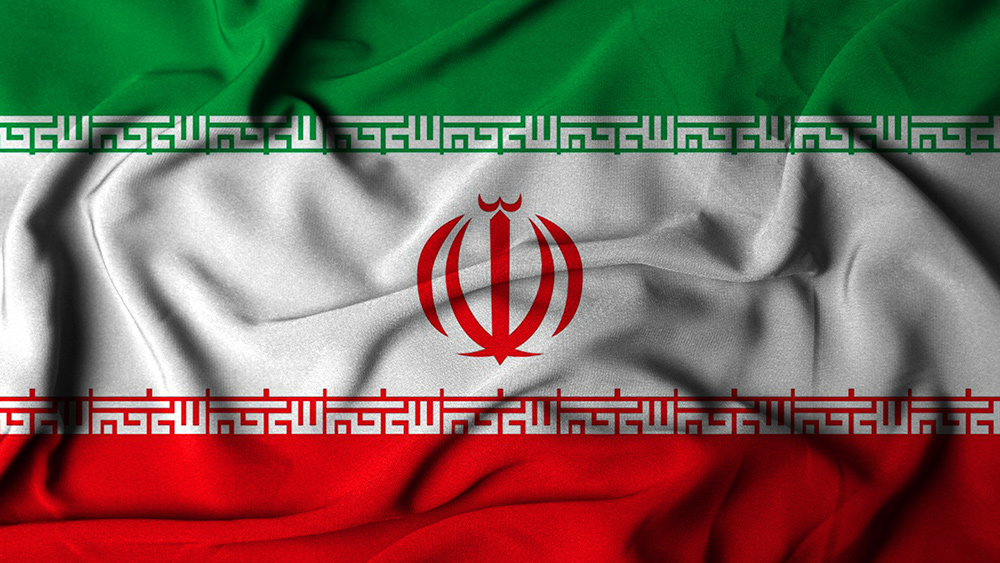
Digital iron curtain: Iran imposes internet BLACKOUT amid protests in the Islamic Republic
By Ramon Tomey // Share

Big Pharma turf war erupts: Bayer sues vaccine makers over alleged stolen mRNA technology
By Ramon Tomey // Share

Urgent alert: Whole Foods Market RECALLS organic ground beef due to E. coli contamination
By Patrick Lewis // Share
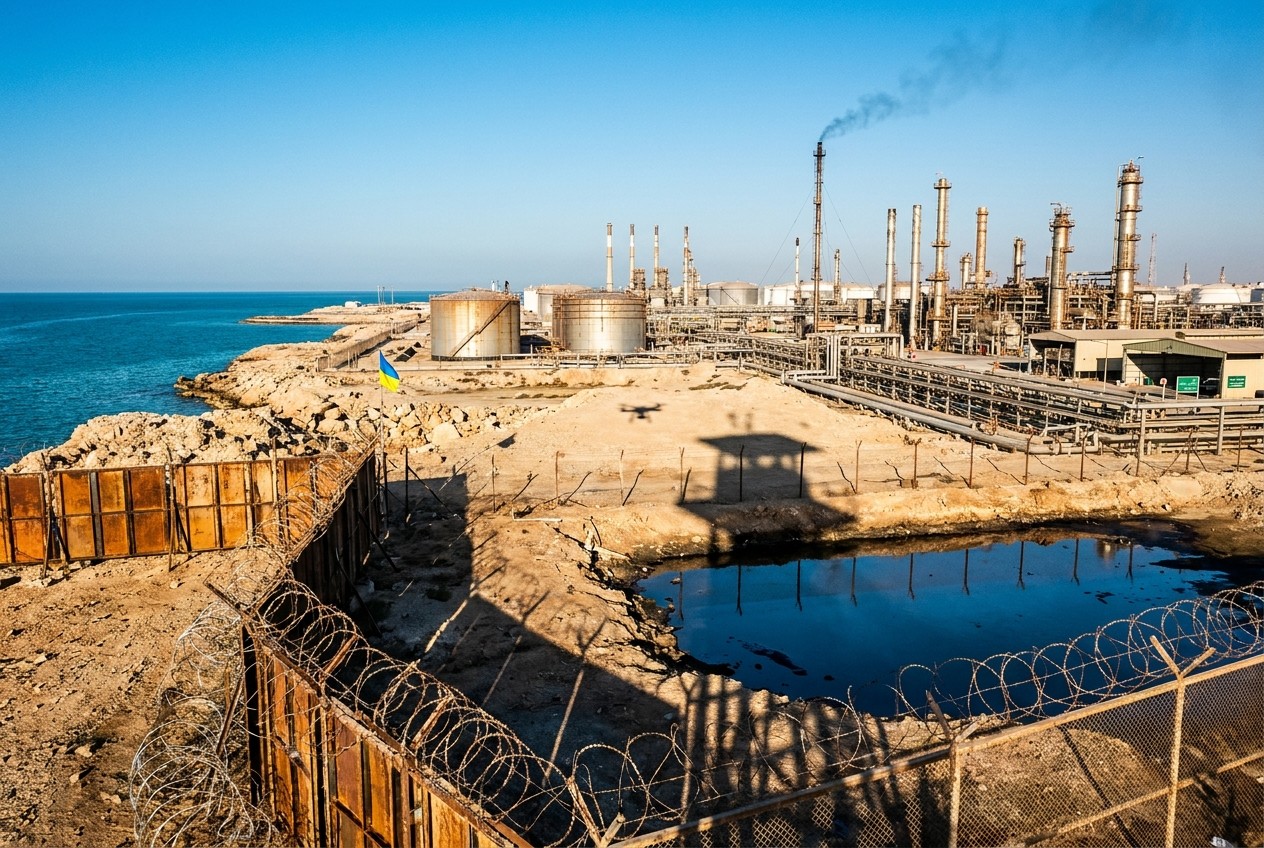
Iraq Detains Ukrainian Nationals Suspected in Plot Against Gulf Oil Facilities
By garrisonvance // Share

U.S. Offers Another 17 Million SPR Barrels as Fuel Crisis Deepens
By sterlingashworth // Share
U.S. Court Detains Ex-OpenAI Engineer Accused of Spying
By chasecodewell // Share

Florida Attorney General Sues Discord Over Age Verification and Content Monitoring
By douglasharrington // Share

IMF Chief Calls for AI Guardrails as Officials Weigh Economic Risks and Opportunities
By edisonreed // Share