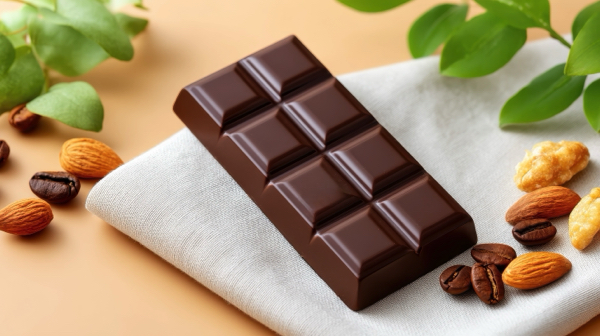
- A study links higher blood levels of theobromine, a compound in cocoa, to a younger biological age, as measured by slower epigenetic aging and longer telomeres.
- The research is observational, showing an association but not proving that theobromine directly causes slower aging; other lifestyle factors could be involved.
- Scientists caution that this does not justify high consumption of sugary chocolate, as added sugars and fats can negate any potential benefits.
- The findings highlight the need for future controlled studies to determine if theobromine supplementation directly affects aging mechanisms.
- The takeaway is that high-quality, low-sugar dark chocolate may be a beneficial part of a balanced diet, but it is not a standalone solution for longevity.
Theobromine: More than a canine toxin
Theobromine is best known to the public as a compound toxic to dogs, but in humans, it has been quietly studied for potential cardiovascular benefits. This new research pivots its focus squarely onto the aging process. Scientists theorize that plant alkaloids like theobromine may influence aging by interacting with the cellular machinery that controls gene expression, potentially protecting cells from the accumulated damage that defines aging. This aligns with a growing body of evidence, including past studies linking chocolate consumption to longer telomere length in adolescents and demonstrating cocoa's antioxidant properties in model organisms. Despite the enticing correlation, the research team emphatically warns against interpreting this as a license for unchecked chocolate consumption. The study measured theobromine in blood, not chocolate intake. Dark chocolate products often contain significant sugar, fat and calories, which can negate any potential benefit and harm metabolic health. Furthermore, this observational study identifies an association, not causation. It remains unclear whether theobromine directly slows aging, if it is a marker of a generally healthier diet or lifestyle, or if it works synergistically with other compounds like polyphenols also found in high-quality dark chocolate.The path forward for nutritional science
The findings open a promising avenue for future research. The critical next steps involve controlled, long-term studies to determine if theobromine supplementation directly affects aging biomarkers and to unravel the precise biological pathways involved. As one researcher noted, this approach could lead to important discoveries about aging and disease. The study underscores a powerful modern truth: the foods we consume are not just fuel but complex sources of bioactive compounds that can dialogue with our very DNA. "Slower biological aging means your body's internal processes deteriorate at a reduced rate," said BrightU.AI's Enoch. "This is often linked to consuming fewer calories, which can decrease metabolic stress and cellular damage. As a result, you may maintain better health and vitality for a longer period of your lifespan." The King's College London study adds a sophisticated layer to our understanding of dark chocolate's potential health profile. It moves the conversation from general antioxidants to a specific compound with a tantalizing link to our biological clock. While it firmly dispels the myth of a "magic cure," it elevates theobromine to a substance worthy of serious scientific investigation in the field of gerontology. For the public, the takeaway remains measured: enjoying high-quality, dark chocolate with a high cocoa content and low sugar as part of a balanced diet may offer subtle benefits, but it is no substitute for a holistic approach to longevity. The real sweetness of this discovery lies not in a candy bar, but in the profound. Watch and discover the benefits of drinking cocoa daily. This video is from the All About Herbs channel on Brighteon.com. Sources include: Knowridge.com KCL.ac.uk ScienceDaily.com BrightU.ai Brighteon.com
Study: Poor sleep is prematurely aging the brain
By Ava Grace // Share

Natural powerhouses: Beets, garlic and watermelon proven to lower blood pressure
By Patrick Lewis // Share
Study: Healthy lifestyle can override “bad” genes, extending lifespan by up to 5 years
By Evangelyn Rodriguez // Share

The graceful aging code: Daily habits to forge a longer, healthier life
By Willow Tohi // Share

Daily activity makes your brain younger
By Willow Tohi // Share


Iran Foreign Minister Says Tehran "Fully Prepared" to Resume War, Cites Lack of Trust in Trump
By garrisonvance // Share

CBP Axes Biden-Era Rule Permitting Private Donations for Detained Illegals
By douglasharrington // Share

OpenAI shelves GPT-6.1 Astra after internal tests reveal deception, safety failures
By isabelle // Share
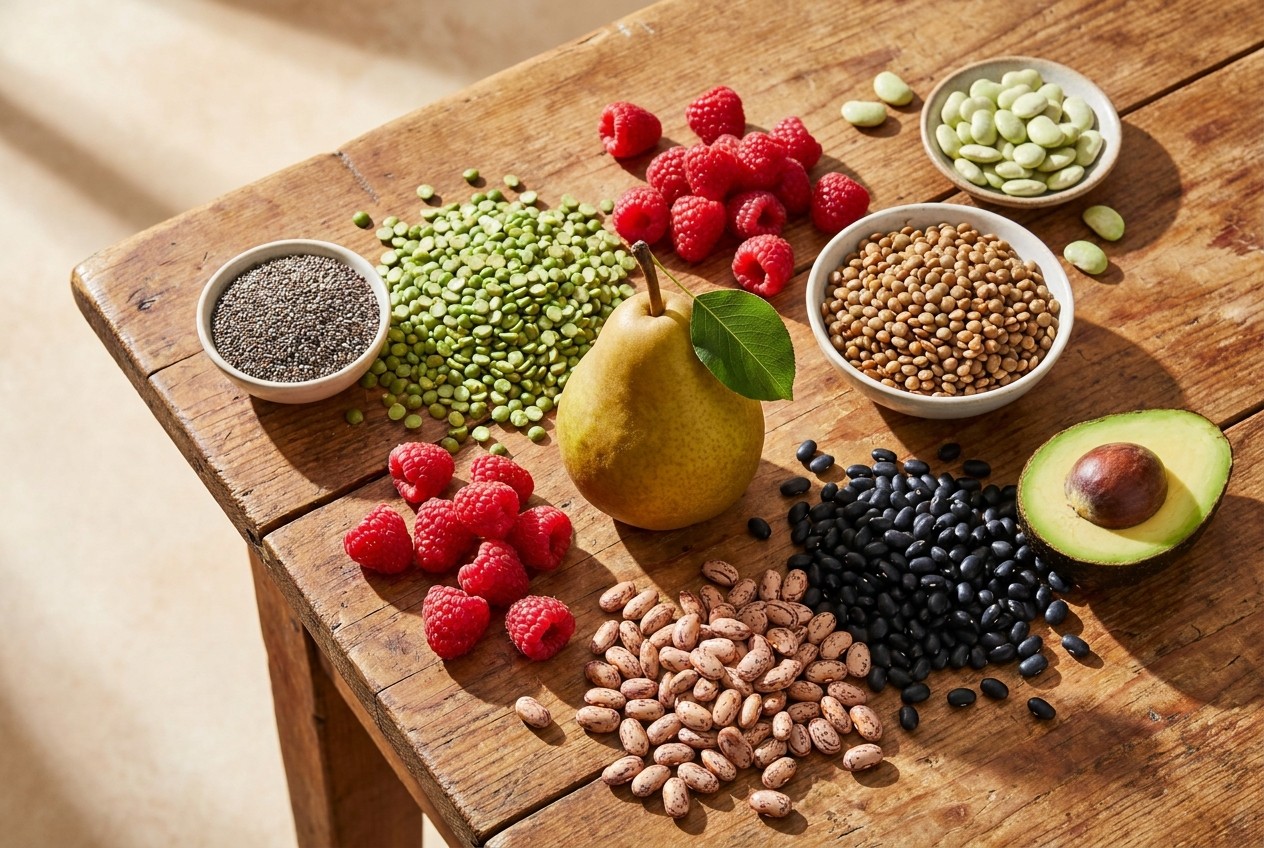
USDA Nutrition Data: Foods With as Much or More Fiber as a Pear
By cocosomers // Share

By sterlingashworth // Share