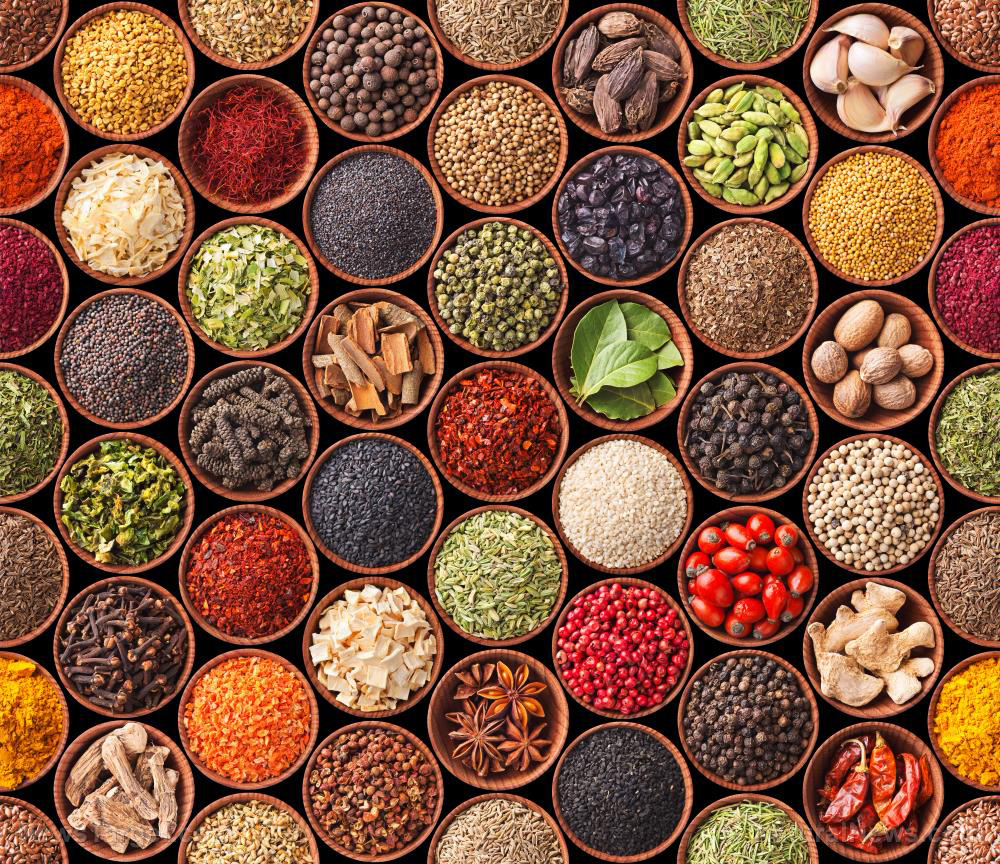
- Flu, RSV, COVID-19 and colds spike due to indoor gatherings and colder temperatures, prompting renewed health advisories.
- Ginger contains gingerol and shogaols, which fight oxidative stress and inflammation. Studies show it reduces RSV airway plaque by 20% and boosts circulation, counteracting cold-induced immune suppression.
- Cinnamon is rich in polyphenols, it regulates inflammatory cytokines and stabilize blood sugar, preventing immune-weakening energy crashes.
- Turmeric's curcumin is a potent antioxidant that reduces chronic inflammation, linked to lower risks of diabetes and cancer. Experts advise culinary use over high-dose supplements.
- Chili's capsaicin enhances immune cell production, breaks up mucus and boosts metabolism for better defense against colds.
Ginger: The winter warrior
A staple in teas and holiday treats, ginger's warming effects go beyond flavor. Kristen Carli, a dietitian at WOWMD, told the Daily Mail that ginger "works as an anti-inflammatory due to its high antioxidant content," including gingerol and shogaols. These compounds combat oxidative stress, a key driver of chronic inflammation that weakens immunity. Recent research highlights ginger's potential against RSV, reducing airway plaque formation by 20%. Kyle Crowley, a nutritionist at Protein Works, notes its thermogenic properties: "Ginger helps raise your body temperature and stimulates circulation," creating a hostile environment for viruses. Yale researchers found that colder nasal temperatures impair immune proteins, making ginger's heat-boosting effects particularly valuable.Cinnamon: More than just flavor
Cinnamon recently made headlines for its potential role in reducing Alzheimer's risk, but its anti-inflammatory benefits have been known for centuries. Carli points to its high polyphenol content, which helps regulate excess cytokines—immune proteins linked to inflammation. Crowley adds that cinnamon stabilizes blood sugar, preventing energy crashes that stress the body and suppress immunity. A sprinkle on coffee, oatmeal or roasted vegetables offers an easy daily boost.Turmeric: Ancient medicine, modern benefits
Used for millennia in Ayurvedic and Chinese medicine, turmeric's active compound, curcumin, is a potent antioxidant. Vashista Ussery, a registered dietitian, explains that it "reduces inflammation in the body," which can otherwise hinder immune function. Studies suggest curcumin may lower risks of diabetes, diarrhea and even cancer by mitigating chronic inflammation. Experts caution against overconsumption in supplement form (the World Health Organization recommends no more than 200mg daily) but endorse culinary uses—think roasted cauliflower or butternut squash soup.Chili powder: Heat that helps
Capsaicin, the compound behind chili's spice, does more than clear sinuses. Research indicates it stimulates immune cell production and breaks up mucus, easing cold symptoms. Ussery notes its metabolism-boosting effects, which help mobilize energy reserves for immune defense. Carli recommends dusting roasted Brussels sprouts or sweet potatoes for a flavorful immune kick.A return to food as medicine
These spices echo a broader shift toward holistic health, emphasizing diet's role in immunity. Processed sugars and industrial seed oils fuel inflammation, while whole foods—especially polyphenol-rich spices—restore balance. As winter viruses loom, experts suggest pairing hygiene habits with kitchen staples that have stood the test of time. In a season of sniffles and sneezes, the remedy might already be in your pantry. Watch the video below that talks about the health benefits of ginger. This video is from the Holistic Herbalist channel on Brighteon.com.Sources include:
DailyMail.co.uk 1 PubMed.NCBI.NLM.NIH.gov DailyMail.co.uk 2 PMC.NCBI.NLM.NIH.gov BrightU.ai Brighteon.com
The humble egg: A natural, affordable ally in the battle against weight regain
By Ava Grace // Share
The hidden rules of intermittent fasting: Why the clock isn’t enough
By Ava Grace // Share

Study: Poor sleep is prematurely aging the brain
By Ava Grace // Share
“Absolute Healing” on BrightU: Boost your mitochondria and heal your body at the cellular level
By Jacob Thomas // Share

Trauma Unlocked: Discover the hidden path to healing
By Ramon Tomey // Share
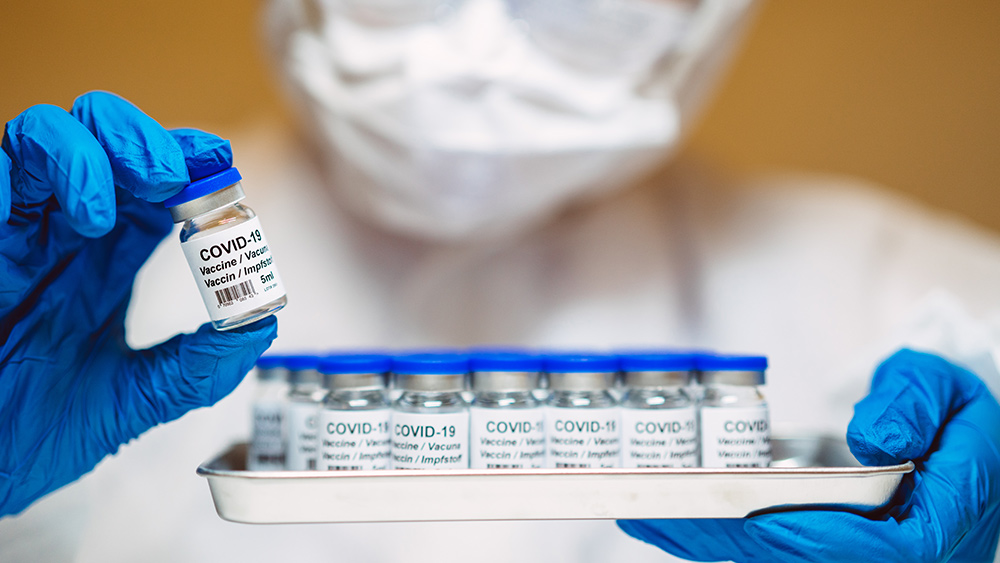
New study links COVID-19 vaccines to increased cancer risk, revealing “smoking gun” evidence
By Patrick Lewis // Share

Iraq Detains Ukrainian Nationals Suspected in Plot Against Gulf Oil Facilities
By garrisonvance // Share

U.S. Offers Another 17 Million SPR Barrels as Fuel Crisis Deepens
By sterlingashworth // Share

U.S. Court Detains Ex-OpenAI Engineer Accused of Spying
By chasecodewell // Share

Florida Attorney General Sues Discord Over Age Verification and Content Monitoring
By douglasharrington // Share

IMF Chief Calls for AI Guardrails as Officials Weigh Economic Risks and Opportunities
By edisonreed // Share