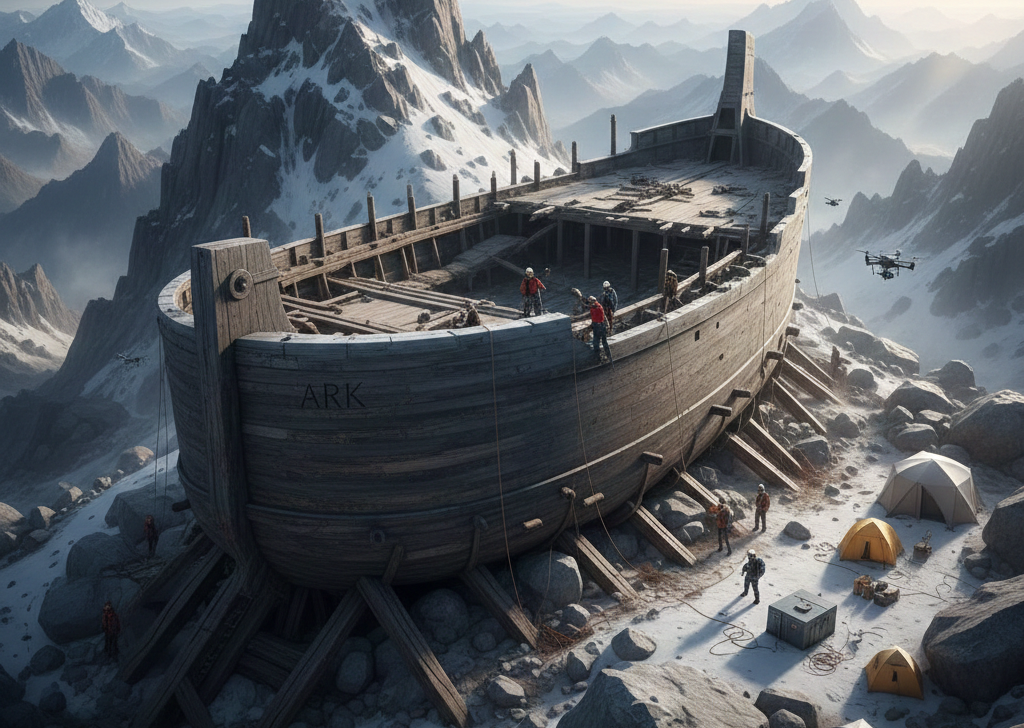
- Ceramic fragments dating to 5500-3000 BC were discovered near Turkey's Durupinar Formation, a site linked to Noah's Ark.
- The pottery provides the first concrete archaeological evidence of human settlement in the region during the Biblical era of Noah.
- Researchers warn the site is threatened by souvenir-hunting tourists and natural erosion, calling for urgent protection.
- The discovery coincides with recent high-tech scans that revealed underground structures matching the Ark's Biblical description.
- Turkey has officially designated the area as Noah’s Ark National Park, elevating its archaeological and cultural status.
A convergence of clay and scripture
The pottery shards were unearthed during road construction near the Durupinar Formation in Turkey’s Agri province. According to Professor Kaya, the ceramics date to the Chalcolithic period, roughly between 5500 and 3000 BC. This timeframe is significant, as it broadly aligns with traditional scholarly and faith-based estimates for the lifetime of the Biblical figure Noah. For archaeologists, ceramics are a clear and reliable indicator of human habitation. Their presence transforms the site from a subject of purely geological or theological debate into one with a confirmed human history during the pivotal period in question. This discovery does not, in itself, prove the existence of Noah’s Ark. However, it establishes a crucial historical context that was previously missing. It confirms that people were living in the immediate vicinity of the Durupinar Formation at a time consistent with the Genesis account, making the area a plausible candidate for events described in the ancient text.A site scanned and sanctified
The pottery discovery comes on the heels of other high-profile investigations. Earlier in 2025, a separate team of American researchers used ground-penetrating radar to scan the Durupinar site. Their scans reportedly detected what they described as angular, man-made structures beneath the surface, including a 13-foot passageway and three distinct underground layers that some correlate to the Ark’s described three decks. While these geophysical anomalies are hotly debated by skeptics who view the formation as entirely natural, the combination of subsurface scans and now surface-level archaeological evidence creates a more complex picture. Turkey has responded to the growing interest by formally recognizing the site’s cultural and religious significance. The government has designated the area as Noah’s Ark National Park, a move that underscores its importance in the national heritage and potentially paves the way for more structured, conservation-minded research.An urgent call for preservation
Professor Kaya’s announcement carried a urgent plea for conservation. He revealed that the site faces a dual threat: natural erosion and human interference. Tourists and visitors, drawn by the site’s legendary status, have been removing stones and fragments as souvenirs, potentially damaging important archaeological material. Furthermore, seasonal rains and landslides continue to erode the formation’s distinct shape. “This formation and its surroundings must be protected, and the removal of stones, rocks or similar material must be prevented,” Kaya stated. He advocated for the establishment of a dedicated research or visitor center, similar to museums dedicated to the Ark narrative in other countries, to manage tourism and foster legitimate study.A legend’s enduring hold
The quest for Noah’s Ark is more than an archaeological puzzle; it is a profound intersection of faith, history and science. For centuries, Mount Ararat has been identified in Christian, Jewish and Islamic traditions as the resting place of the vessel that survived a cataclysmic flood. The Durupinar site, first identified from the air by Turkish engineer Ilhan Durupinar in 1959, became a modern focal point for this search due to its striking, ship-like silhouette and dimensions that some argue approximate the Biblical measurements of 300 cubits long, 50 cubits wide and 30 cubits high. The enduring search speaks to a deep human desire to find physical anchors for foundational stories. In an age where science often scrutinizes religious narratives, discoveries like the Chalcolithic pottery offer a different paradigm—not one of definitive proof or disproof, but of tangible connection. They provide a historical setting where ancient accounts and modern archaeology can engage in a shared conversation about the past.A new chapter in an ancient story
The unearthing of ancient pottery near Mount Ararat marks a pivotal moment in the long investigation of one of history’s most iconic legends. It moves the discussion beyond shape and speculation, grounding it in the hard evidence of human activity. While the ultimate question of the Ark’s existence remains unanswered, the discovery affirms that the site is a legitimate area of archaeological interest from the correct historical period. As Turkey moves to protect the area and researchers plan further studies, including proposed core drilling, the Durupinar Formation promises to remain a powerful symbol where the lines between geological formation, archaeological site and sacred story compellingly blur. The journey to understand this unique landscape is now firmly rooted in the fragments of clay left by its ancient inhabitants. Sources for this article include: The-Sun.com NYPost.com DailyMail.com
Study: Forever chemicals can nearly triple liver disease risk in teens
By Ava Grace // Share

The humble egg: A natural, affordable ally in the battle against weight regain
By Ava Grace // Share

Study finds food preservatives linked to increased DIABETES risk
By Patrick Lewis // Share

The hidden rules of intermittent fasting: Why the clock isn’t enough
By Ava Grace // Share

A decade of calm: How breastfeeding may shield mothers from depression and anxiety long after birth
By Lance D Johnson // Share
Scientists develop glucose and vitamin B2 battery for affordable, eco-friendly energy storage
By Kevin Hughes // Share
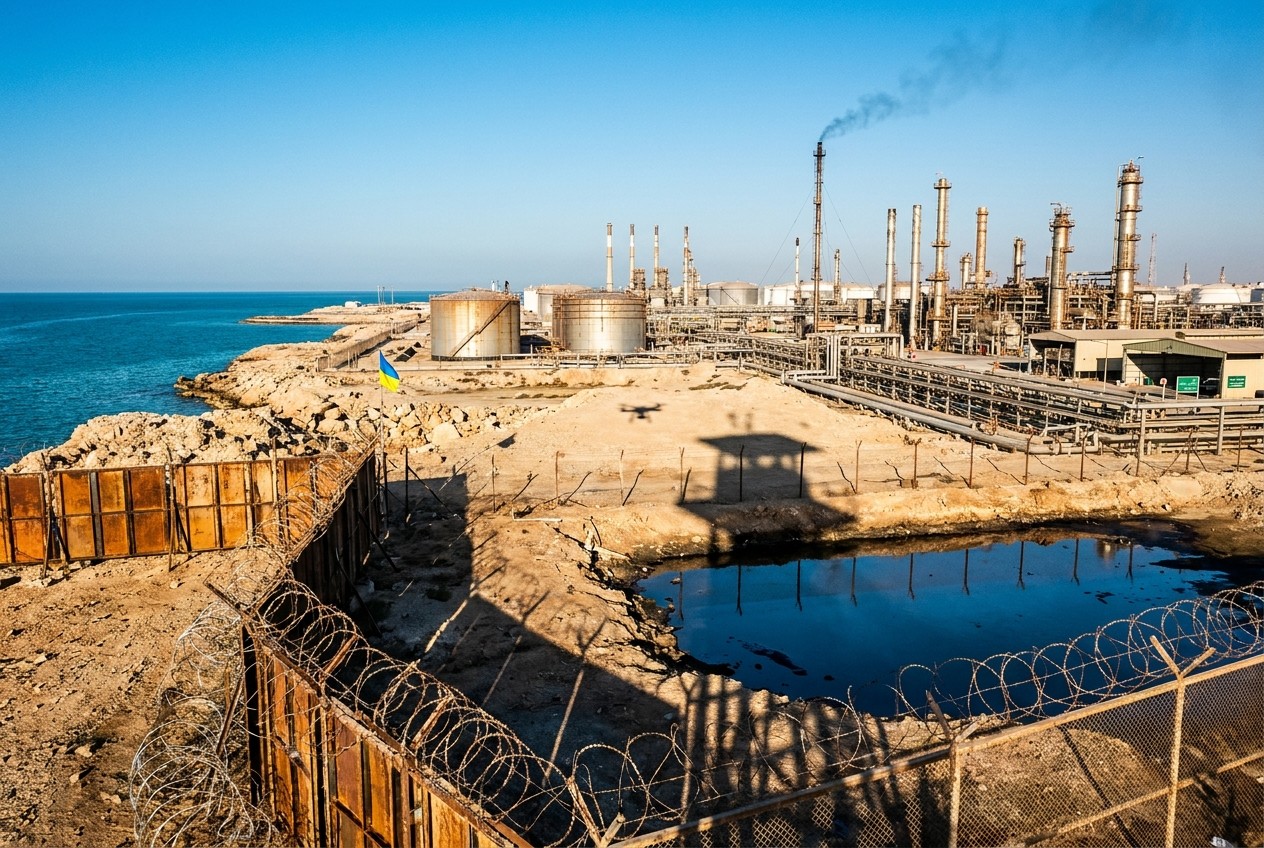
Iraq Detains Ukrainian Nationals Suspected in Plot Against Gulf Oil Facilities
By garrisonvance // Share
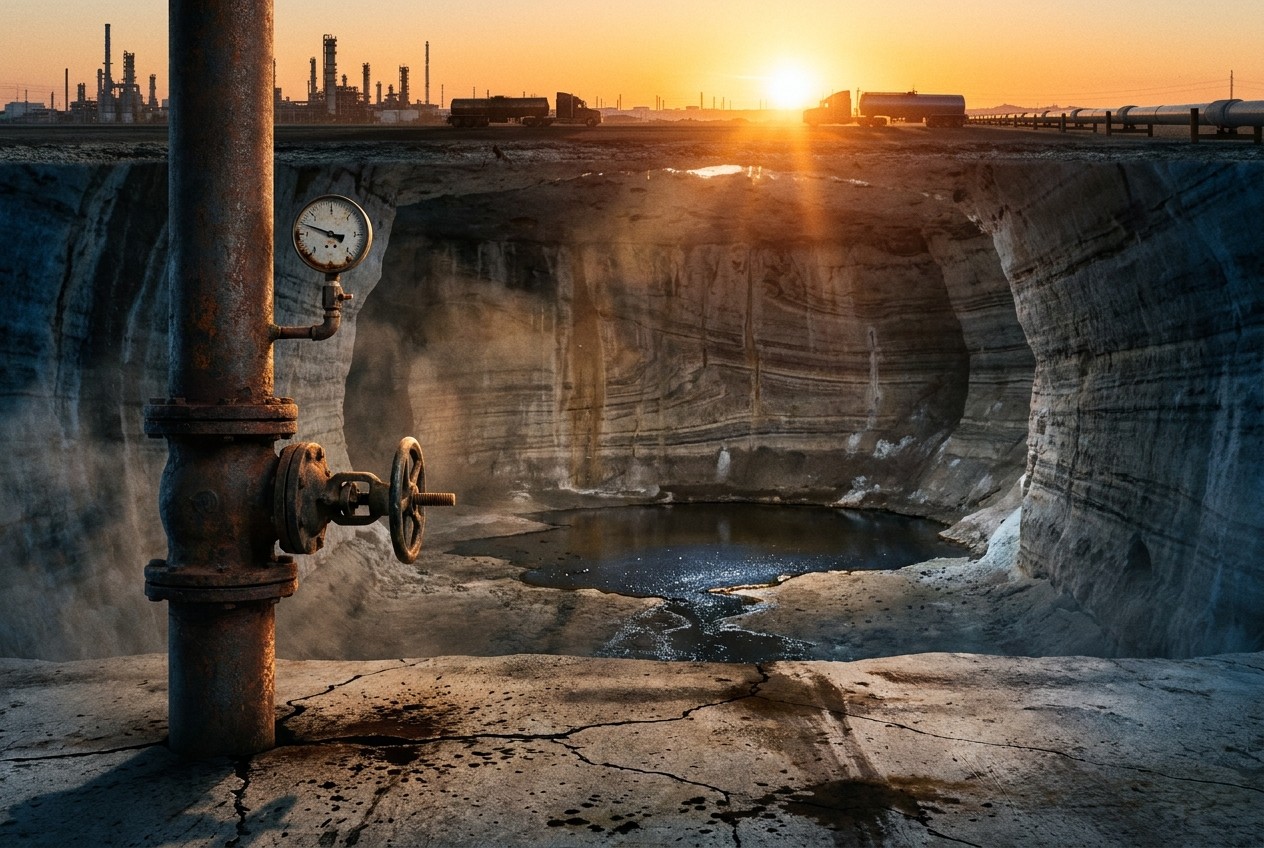
U.S. Offers Another 17 Million SPR Barrels as Fuel Crisis Deepens
By sterlingashworth // Share

U.S. Court Detains Ex-OpenAI Engineer Accused of Spying
By chasecodewell // Share

Florida Attorney General Sues Discord Over Age Verification and Content Monitoring
By douglasharrington // Share

IMF Chief Calls for AI Guardrails as Officials Weigh Economic Risks and Opportunities
By edisonreed // Share