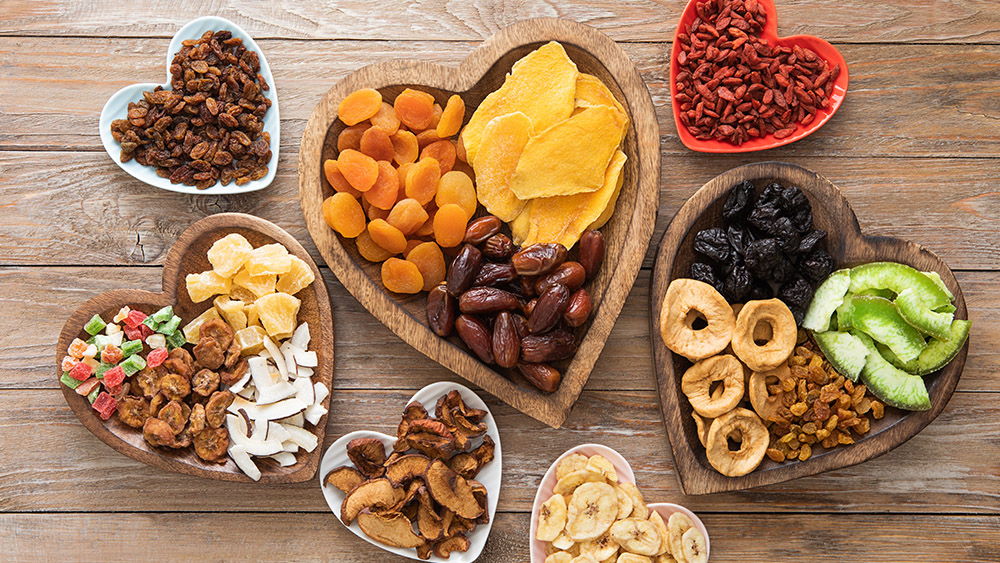
- New research emphasizes that snack quality and timing are crucial for blood sugar control.
- Nutrient-dense snacks like nuts, seeds and yogurt are superior to highly processed options.
- Late-night snacking is linked to less favorable blood sugar and blood fat levels.
- Snacking can comprise 20% to 25% of daily energy intake, making these choices significant.
- Combining protein, healthy fats, and fiber in snacks helps prevent dramatic glucose spikes.
Decoding the snack-health connection
The research, utilizing data from over 1,000 participants in the ZOE PREDICT 1 study, sought to isolate the impact of snacking habits from overall diet. The results were striking. Consuming high-quality, nutrient-dense snacks was consistently linked with better blood fat and insulin responses. Conversely, late-night snacking was associated with poorer metabolic markers. Study co-author Kate Bermingham, Ph.D., underscored that these effects were independent of main meals, positioning smart snacking as a straightforward, accessible strategy for individuals to directly influence their well-being without a complete dietary overhaul.The pillars of a "high-quality" snack
But what defines a "high-quality" snack in practical terms? Nutritionists point to foods that deliver a high concentration of vitamins, minerals, fiber and healthy fats relative to their calorie count. This is where historical wisdom converges with modern science. For generations, cultures have relied on portable, nutrient-rich foods like nuts, seeds and hard-boiled eggs for sustained energy. The contemporary research validates this, highlighting options that combine protein, fiber and healthy fats to create a slow, steady release of glucose. This macronutrient synergy is key to avoiding the rapid blood sugar spikes and subsequent crashes that can result from processed, carbohydrate-heavy snacks.Strategic snacking through the day
The timing element adds a crucial layer to the strategy. The body's circadian rhythm influences how it processes food, with metabolism generally less efficient later in the evening. The study suggests that confining snacking to daytime hours, and ideally avoiding it after dinner, aligns with our natural physiology for better metabolic outcomes. This doesn't necessitate more eating but rather a thoughtful redistribution and upgrade of existing habits. For instance, moving an evening handful of chips to an afternoon serving of almonds with a few berries can transform the snack's impact on blood sugar control.Building a better snack pantry
Equipped with the principles of quality and timing, constructing a supportive snack menu becomes simple. The goal is to prioritize whole, minimally processed foods. Excellent choices include a small handful of raw almonds or walnuts, pumpkin seeds, Greek yogurt, vegetable sticks with hummus, or a hard-boiled egg. These options align with the study's definition of nutrient density and provide the stabilizing mix of protein and fat. For those seeking sweetness, pairing a piece of fruit with a source of fat or protein, such as apple slices with almond butter, can moderate the fruit's natural sugars.A simple habit with profound impact
The latest science offers a refreshingly clear prescription in the often noisy world of nutrition. By mindfully choosing nutrient-dense foods and consuming them earlier in the day, individuals can leverage a common habit—snacking—into a tool for better metabolic health. This approach demystifies blood sugar management, moving it from a restrictive regimen to an additive practice of choosing more nourishing foods. In doing so, it empowers people to make one of the most frequent dietary decisions a consistent step toward sustained energy and long-term wellness. Sources for this article include: MindBodyGreen.com WebMD.com StMarysHealthcareSystem.org
Probiotics and prebiotics: The emerging frontier in skin health and anti-aging
By Patrick Lewis // Share

Rooted in relief: Ancient herb gains modern validation for stress and sleep
By Willow Tohi // Share

The double-edged fruit: Navigating the potent benefits and hidden risks of bananas
By Willow Tohi // Share
Ultra-processed foods loaded with preservatives linked to skyrocketing diabetes and cancer risk
By Patrick Lewis // Share

Hydration, digestion and immunity: Unpacking the science and tradition of lemon water
By Willow Tohi // Share

Iraq Detains Ukrainian Nationals Suspected in Plot Against Gulf Oil Facilities
By garrisonvance // Share

U.S. Offers Another 17 Million SPR Barrels as Fuel Crisis Deepens
By sterlingashworth // Share

U.S. Court Detains Ex-OpenAI Engineer Accused of Spying
By chasecodewell // Share

Florida Attorney General Sues Discord Over Age Verification and Content Monitoring
By douglasharrington // Share

IMF Chief Calls for AI Guardrails as Officials Weigh Economic Risks and Opportunities
By edisonreed // Share