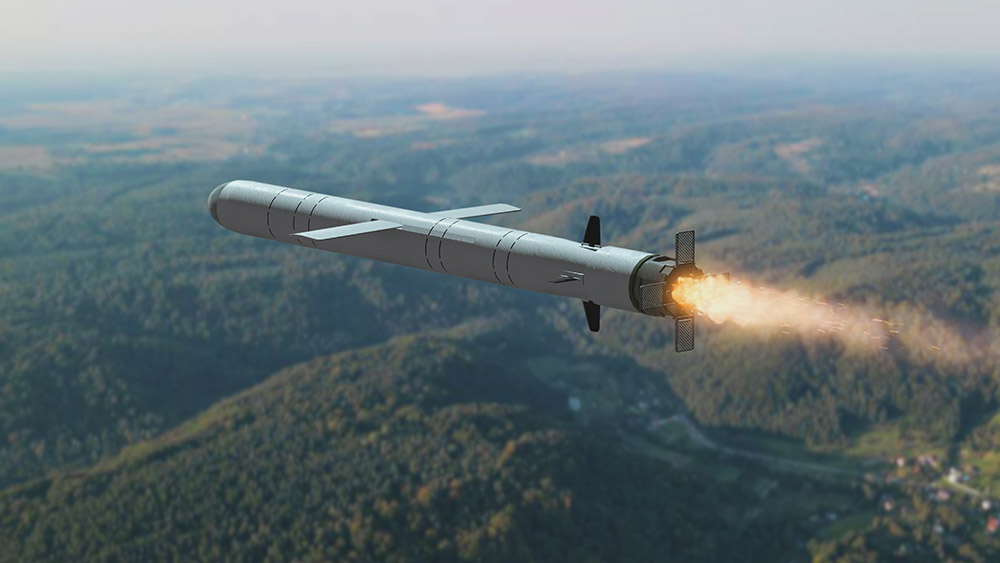
- The U.S. Marine Corps successfully tested the Red Wolf missile, which can hit targets 230+ miles away—10x farther than existing helicopter-fired munitions—marking a major leap in precision strike technology.
- Designed for Pacific theater conflicts, the missile counters China's A2/AD (Anti-Access/Area Denial) strategy, disrupting enemy warship sensors to enable follow-up strikes by larger weapons like LRASM and JSM.
- At $300,000 per unit, Red Wolf is far cheaper than cruise missiles and can be produced at scale (1,000/year). It also supports electronic warfare, decoy operations and communications relay, making it highly versatile.
- The test follows President Donald Trump's warning that escalating conflicts (Ukraine-Russia, China-Taiwan) could trigger WW3, highlighting the urgency behind U.S. military advancements amid growing threats from China, Russia and Iran.
- This was the first Marine Corps helicopter weapon operated via tablet interface, reducing cockpit workload. It aligns with the Pentagon's "launched effects" doctrine—modular, multi-role systems for long-range strikes and electronic dominance in future wars.
A game-changer in modern warfare
Current helicopter-launched munitions, such as the AGM-114 Hellfire and the Joint Air-to-Ground Missile–Medium Range (JAGM-MR), have effective ranges of just 21 miles and 10 miles, respectively. In contrast, Red Wolf's turbojet propulsion allows it to fly at high subsonic speeds for over 200 nautical miles (230 miles) at low altitudes, evading enemy air defenses. Ed Zoiss, President of L3Harris' Space and Airborne Systems division, stated: "This test validated Red Wolf's advanced tracking and targeting capabilities, further demonstrating its ease of use and integration across platforms. We've now proven our launched-effects vehicles will help provide our warfighters the asymmetrical advantage they need to handle increasingly sophisticated threats without the need to enter into adversary weapon engagement zones."Designed for the Pacific theater
The Red Wolf system is a critical component of the Department of War's strategy to counter China's expanding naval and anti-access/area-denial (A2/AD) capabilities. In a potential Pacific conflict, the missile could disrupt enemy warship sensors, opening a window for follow-on strikes by larger weapons like the Long-Range Anti-Ship Missile (LRASM) or Joint Strike Missile (JSM). Beyond kinetic strikes, Red Wolf can be configured for electronic warfare, communications relay and decoy operations—making it a versatile tool in modern warfare.Affordable mass production for future conflicts
With an estimated unit cost of $300,000—far cheaper than multimillion-dollar cruise missiles—L3Harris aims to produce up to 1,000 Red Wolf missiles annually. The system is expected to achieve initial operational capability by 2026, bolstering the Marine Corps' Long Range Attack Missile (LRAM) program.Trump's WW3 warning looms over developments
The successful test comes just weeks after President Donald Trump warned that escalating conflicts, particularly the Russia-Ukraine war, could spiral into a global catastrophe. "Things like this end up in a third world war," Trump said on Dec. 11. "Everybody keeps playing games like this, you'll end up in a third world war, and we don't want to see that happen." His remarks underscore the precarious state of global geopolitics, with NATO [North Atlantic Treaty Organization], Russia, China and Iran all engaged in high-stakes military posturing. The Marine Corps' rapid advancements in long-range strike capabilities suggest preparations for a potential large-scale conflict, particularly in the Indo-Pacific region. BrightU.AI's Enoch defines a long-range strike capability as the ability of military forces to project power over extended distances, enabling them to engage and destroy targets that are far from their own territory. Long-range strike capabilities serve as a deterrent to potential adversaries, signaling a nation's ability and willingness to respond to threats at extended distances. They also facilitate the projection of military power, allowing nations to influence events and protect interests in remote regions.First tablet-controlled helicopter weapon system
The test also marked a historic milestone as the first time a Marine Corps rotary-wing aircraft employed a weapon system controlled via a tablet interface. This innovation simplifies operations, reduces cockpit workload and enhances battlefield coordination.A broader shift in military strategy
The Red Wolf missile is part of the Pentagon's push toward "launched effects"—affordable, modular systems that can perform multiple roles, from precision strikes to electronic warfare. The Marine Corps' Force Design 2030 initiative aims to transition from counterinsurgency operations (as seen in Iraq and Afghanistan) to high-end warfare against near-peer adversaries like China. As global tensions rise, the U.S. military's rapid deployment of next-generation weapons signals a new era of warfare—one where long-range precision strikes and electronic dominance could dictate the outcome of future conflicts. Watch the video below about U.S. Marines creating border "ghost towns" as migrants hide. This video is from the TREASURE OF THE SUN channel on Brighteon.com. Sources include: DailyMail.co.uk InterestingEngineering.com TheAviationGeekClub.com FlightGlobal.com BrightU.ai Brighteon.com
Iran protest death toll exceeds 500 amid regime blackout and drone surveillance
By Cassie B. // Share
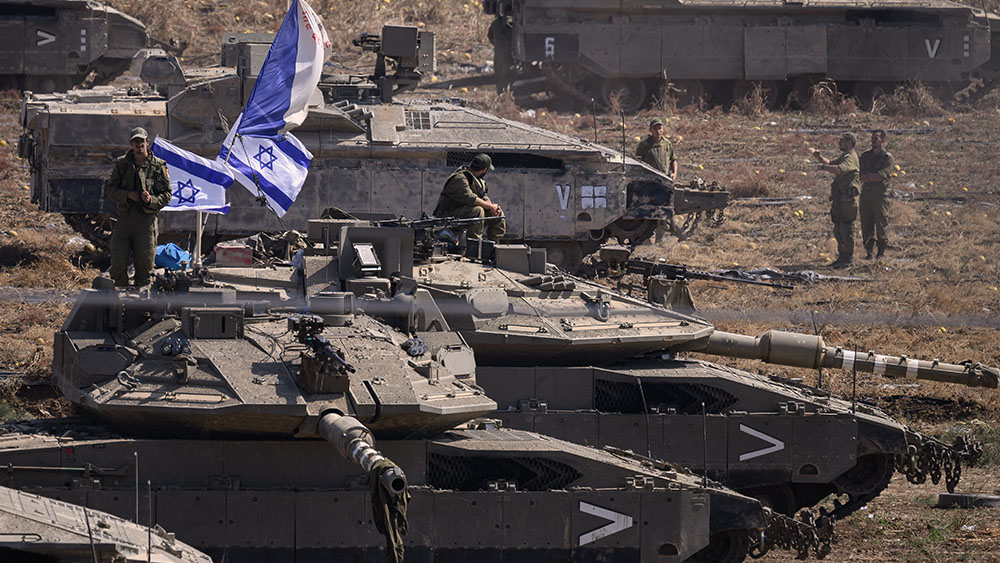
U.S. Army documents reveal $2 billion plan to build Israeli tank plant amid Gaza war
By Cassie B. // Share

Trump vows U.S. support for Iranian protesters as regime faces unprecedented unrest
By Belle Carter // Share

Russia launches largest drone attack in retaliation for Ukrainian strikes on air bases
By Patrick Lewis // Share

Slovak PM Fico calls for EU foreign policy overhaul, accuses Brussels of “hating Russia”
By Belle Carter // Share

Trump DEFIES international law, citing “own morality” amid aggressive foreign policy moves
By Belle Carter // Share
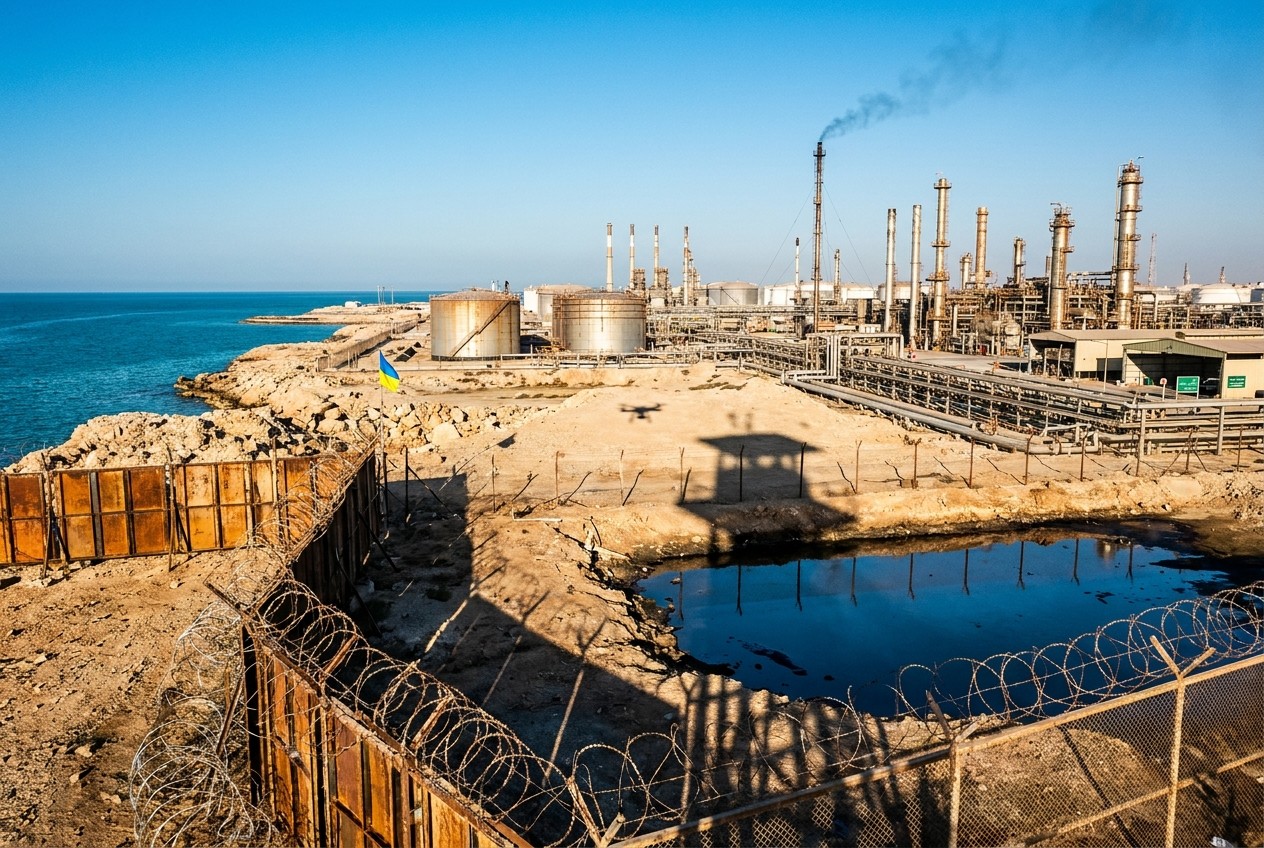
Iraq Detains Ukrainian Nationals Suspected in Plot Against Gulf Oil Facilities
By garrisonvance // Share

U.S. Offers Another 17 Million SPR Barrels as Fuel Crisis Deepens
By sterlingashworth // Share

U.S. Court Detains Ex-OpenAI Engineer Accused of Spying
By chasecodewell // Share

Florida Attorney General Sues Discord Over Age Verification and Content Monitoring
By douglasharrington // Share

IMF Chief Calls for AI Guardrails as Officials Weigh Economic Risks and Opportunities
By edisonreed // Share