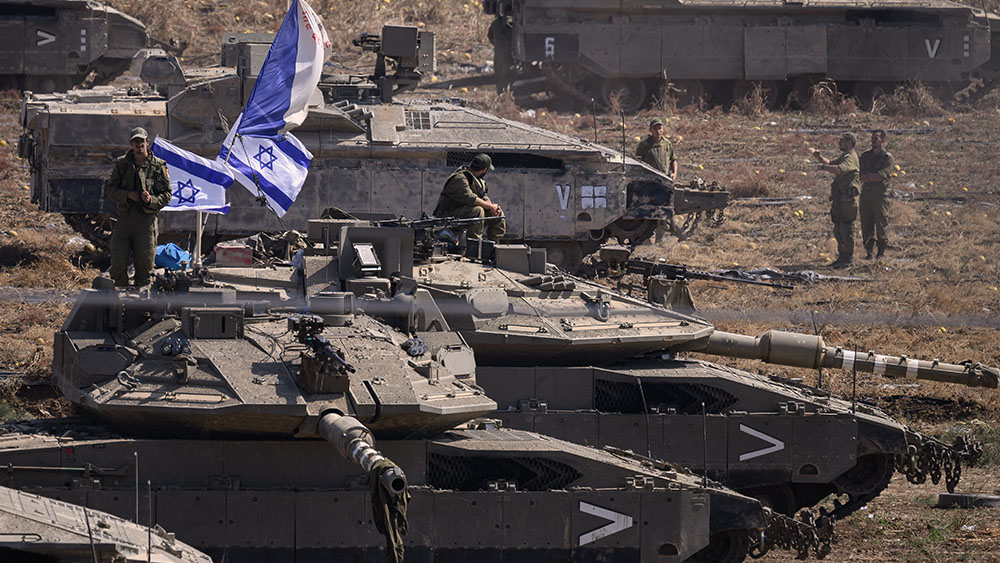
- The U.S. plans to fund a new Israeli armored vehicle plant with up to $2 billion, according to reports.
- This project aims to boost production of tanks used in the Gaza and Lebanon conflicts.
- The funding is separate from and in addition to annual U.S. military aid to Israel.
- This move contradicts U.S. public calls for Israeli restraint in the war.
- Critics argue it makes the U.S. a direct participant in the conflict.
Funding a war machine
This potential $2 billion infusion is separate from the existing $3.8 billion in annual U.S. military aid to Israel and comes on top of an additional $21.7 billion in direct military assistance sent since October 2023. It represents a conscious decision to invest in the long-term infrastructure of Israel’s ground forces as they operate in densely populated civilian areas. These are the same tanks that, according to a UNIFIL statement from January 12, fired shells near peacekeepers in Lebanon and tracked them with lasers. An independent UN inquiry has concluded Israel is committing genocide, a charge Israel denies. Yet, while the European Union proposes trade sanctions, the U.S. appears ready to double down on its financial and military partnership. The U.S. Army, in a response to Haaretz, stated it “does not currently have a formal JSMC program with Israel.” However, the detailed presentations from the Army Corps of Engineers tell a different story, explicitly listing the project’s cost as $1-2 billion to be financed from U.S. military aid funds. This bureaucratic language cannot mask the brutal reality: the U.S. is actively working to build the factory that will produce the next generation of vehicles for urban warfare and occupation.Rhetoric vs. reality
The timing is particularly striking. Just this past weekend, Prime Minister Benjamin Netanyahu told The Economist he supports scaling back U.S. security assistance to Israel, intending to end it within a decade. Yet his government is simultaneously pursuing this massive American-financed expansion of military production capacity. The disconnect between Netanyahu's public statements about reducing dependence and his government's actions seeking billions for new weapons infrastructure reveals the emptiness of such rhetoric. The moral contradiction is staggering. American leaders voice concern over civilian casualties while writing checks to expand the production of the very armor used in assaults that kill those civilians. This policy makes the U.S. a direct participant in the conflict, undermining any claim to being an honest broker for peace. When the history of this war is written, the receipts will show American complicity down to the nuts and bolts. Financing a tank factory amid a famine and a genocide investigation is not a policy of diplomacy or defense; it is a subsidy for destruction. It answers the question of how much the world will tolerate not with words, but with weapons, and signs the check with the American people’s name. Sources for this article include: MiddleEastEye.net Haaretz.com TimesOfIsrael.com CNN.com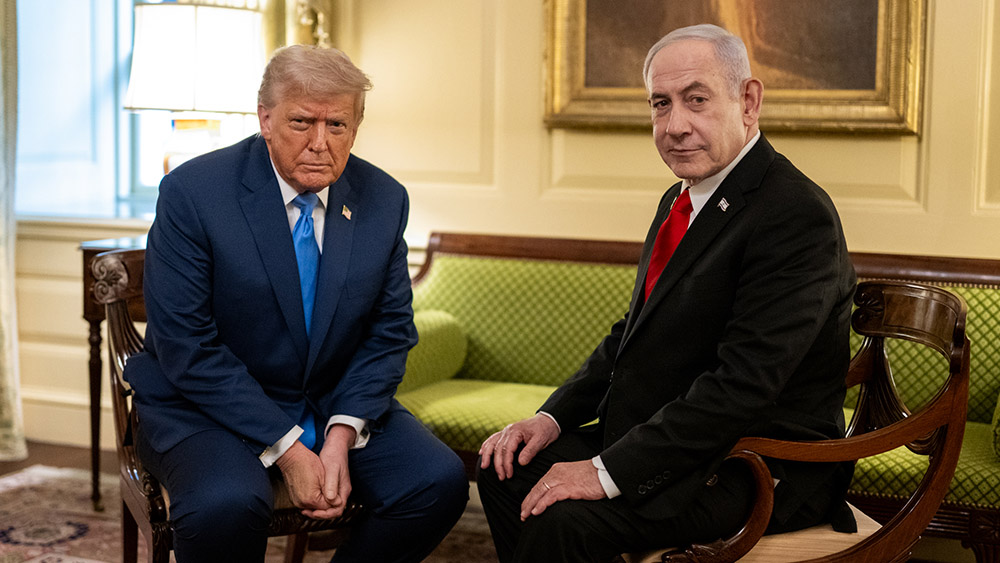
Ritter claims Trump “set up” allies, doomed secret Iran regime change plan
By Cassie B. // Share
A European warning shot: Danish fund exits U.S. debt amid fiscal and geopolitical storm
By Willow Tohi // Share

Greenland’s PM urges citizens to PREPARE for possible U.S. invasion
By Ramon Tomey // Share

UK and France weigh social media bans, but age checks create vast privacy risks
By Cassie B. // Share
Federal subpoenas target Minnesota officials in escalating clash over immigration enforcement
By Ramon Tomey // Share

Tech executive suffers psychotic breakdown after prolonged use of Meta’s AI glasses
By Kevin Hughes // Share
Iraq Detains Ukrainian Nationals Suspected in Plot Against Gulf Oil Facilities
By garrisonvance // Share
U.S. Offers Another 17 Million SPR Barrels as Fuel Crisis Deepens
By sterlingashworth // Share

U.S. Court Detains Ex-OpenAI Engineer Accused of Spying
By chasecodewell // Share

Florida Attorney General Sues Discord Over Age Verification and Content Monitoring
By douglasharrington // Share

IMF Chief Calls for AI Guardrails as Officials Weigh Economic Risks and Opportunities
By edisonreed // Share