- Australia bans social media for under-16s, with millions of accounts already blocked.
- The UK and France are now considering similar nationwide bans.
- Supporters cite a youth mental health crisis to justify the aggressive move.
- Critics warn of scientific debate over harm and serious unintended consequences.
- Enforcement requires invasive age verification, creating major privacy risks for all.
A nuanced scientific landscape
However, the scientific community is far from unanimous. Haidt’s thesis, while influential in political circles, has been labeled “not supported by science” by critics like Canadian psychologist Candice Odgers. The core of the academic dispute lies in the strength of the causal link between social media use and psychological harm. Researcher Michael Noetel at the University of Queensland acknowledges “plenty of evidence” of harm but suggests the debate often demands an unrealistic level of proof. He considers a ban “a bet worth making” given the potential benefits. Other studies caution against a blanket, one-size-fits-all approach. Research led by Ben Singh at the University of Adelaide, tracking more than 100,000 young Australians, found a U-shaped relationship between social media use and wellbeing. The young people with the worst outcomes were those who used social media heavily (more than two hours a day) or not at all. “The findings suggest that both excessive restriction and excessive use can be problematic,” Singh told AFP. The study indicated that moderate users fared the best, and that being entirely deprived of social media was most detrimental for older teenage boys.The privacy paradox of protection
This complexity highlights the potential for unintended consequences. Critics, including a coalition of 42 child safety and suicide prevention charities in the UK, warn a blanket ban creates a “false sense of safety” and could push harmful activity underground while depriving young people of positive online communities. Furthermore, the mechanism of enforcement itself introduces a grave new risk: the systemic violation of privacy. To comply with such laws, social media platforms are forced to implement stringent age verification. This inevitably means collecting highly sensitive personal data from all users, including adults, such as government-issued ID documents or biometric selfies. This creates a honeypot of personal information that becomes a prime target for hackers and data breaches. The very tools meant to protect children could expose entire populations to unprecedented identity theft and fraud. Even proponents like Tisseron express concern, fearing tech-savvy teens would find a way around a ban while absolving parents of responsibility. He calls for more nuanced regulation instead of a polarized choice between an outright ban or nothing. As the UK and France weigh their options, the world is watching Australia. Cambridge University researcher Amy Orben noted, “Within a year, we should know much more about how effective the Australian social media ban has been and whether it led to any unintended consequences.” The fundamental question remains whether protecting young minds from perceived digital harms justifies normalizing pervasive digital surveillance for everyone. In the rush to safeguard a generation, we may be quietly constructing a system where privacy itself becomes a casualty. Sources for this article include: TechXplore.com Reuters.com BBC.com
Chinese hackers weaponized Western spy laws against them in a massive telecom breach
By Willow Tohi // Share
A preemptive strike: Texas mobilizes against a looming parasitic threat
By Willow Tohi // Share

From flour to beans: The surprising foods that can make you sick if undercooked
By Cassie B. // Share

Betrayal by Bureaucracy: How UK Officials Buried a Vaccine Catastrophe
By Mike Adams // Share

Heavy Metals in Our Environment: The Overlooked Cause of Childhood ADHD
By Morgan S. Verity // Share
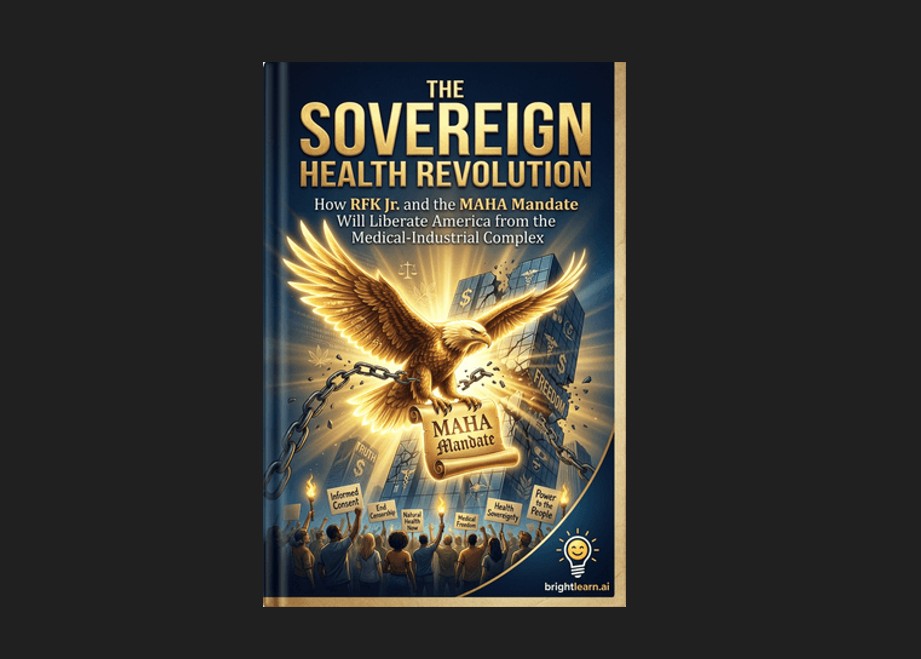
The Sovereign Health Revolution: RFK Jr.’s plan to take back health from Big Pharma
By Ramon Tomey // Share
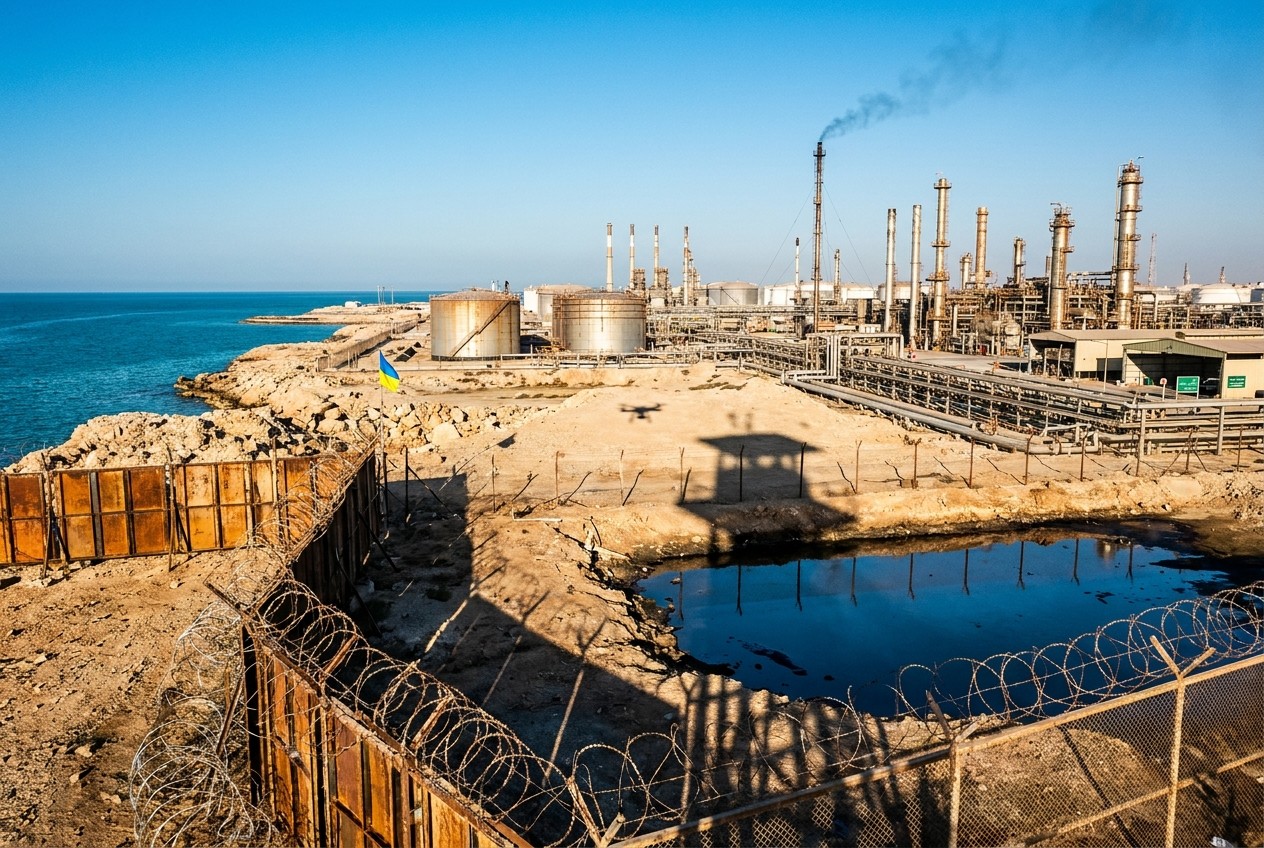
Iraq Detains Ukrainian Nationals Suspected in Plot Against Gulf Oil Facilities
By garrisonvance // Share

U.S. Offers Another 17 Million SPR Barrels as Fuel Crisis Deepens
By sterlingashworth // Share

U.S. Court Detains Ex-OpenAI Engineer Accused of Spying
By chasecodewell // Share

Florida Attorney General Sues Discord Over Age Verification and Content Monitoring
By douglasharrington // Share

IMF Chief Calls for AI Guardrails as Officials Weigh Economic Risks and Opportunities
By edisonreed // Share