
- Winter foraging is a fundamentally different and more challenging activity than foraging in warm seasons, defined by ecological scarcity and high energy costs.
- The edible plant menu shrinks dramatically, with options like nuts, roots and inner bark being difficult to access and often providing poor caloric return for the effort required.
- Cold weather severely complicates plant identification, increasing the risk of dangerous errors, and makes hunting or trapping wildlife an unreliable calorie source for the unskilled.
- The body's energy demands spike in the cold, meaning foragers can easily burn more calories searching for food than they gain from their finds, leading to a net deficit.
- Successful winter foraging is less about skillfully finding food in snow and more about strategic preparation in the fall, emphasizing stored food as the primary calorie source.
The ecology of scarcity
Winter ecosystems operate on a principle of conservation, not production. As temperatures drop, perennial plants enter dormancy, pulling resources into their roots and ceasing growth. Photosynthesis halts, and the above-ground bounty of berries, greens and fruits vanishes. What remains—hardy roots, dormant buds, the occasional cache of nuts—is often locked in frozen ground or buried under snow. This biological shutdown creates a landscape of scarcity. Foraging in winter becomes an exercise in accessing minimal, well-defended calories rather than harvesting plenty. The energy required to chop through ice, dig in rock-hard soil, or traverse deep snow often outweighs the nutritional return from the meager finds, a critical equation that separates sustainable practice from dangerous exertion.The heightened risks of cold-weather harvesting
The challenges of winter foraging extend beyond scarcity to increased danger. Accurate plant identification, the cornerstone of safe foraging, becomes exponentially harder without leaves, flowers and vibrant colors as guides. Foragers must rely on bark, bud structure and growth patterns—features that are subtle and easily misjudged, especially when cold numbs fingers and clouds judgment. The consequences of error are more severe; the body under cold stress and calorie deficit is less resilient to toxins. Furthermore, the physical toll is relentless. Cold air forces the body to burn extra calories to maintain core temperature, while strenuous activity in heavy clothing and unstable footing leads to rapid fatigue. What might be a minor misstep in summer can become a crisis in winter when energy reserves are low and conditions are unforgiving.The historical imperative of storage
This inherent difficulty explains why food preservation and storage have been central to human survival across cultures and millennia. Historical context reveals that foraging was never intended to be a primary winter food source. From Native American communities drying berries and meat into pemmican to European settlers relying on root cellars full of cabbages, potatoes and salted meats, the strategy was always to process and save the abundance of warmer months. During World War I and II, victory gardens were celebrated not just for their fresh summer produce but for the canned tomatoes, pickled vegetables and stored squash that contributed to food security during rationing. Winter foraging was a supplementary activity at best, a way to add scant variety or crucial vitamins like C from pine needles, not to replace stored staples.The modern strategy: Preparation over perspiration
For the modern forager or gardener interested in wild foods, winter offers a clear lesson: the season is won in the fall. Effective strategy involves the deliberate work of late summer and autumn—marking productive root patches, harvesting and processing nuts, drying herbs and putting up preserves. This preparatory work aligns with the natural world’s own rhythms, as animals busily create food caches for the lean months ahead. In contemporary terms, this translates to a pantry stocked with home-canned goods, a freezer filled with blanched greens and berries, and a cellar holding root vegetables. Winter foraging then transforms from a desperate search for calories into a selective, low-impact activity focused on specific, known targets like fresh greens for tea or a handful of lingering rose hips for vitamin C, always against the secure backdrop of stored food.Respecting the season’s limits
Ultimately, foraging in winter serves as a profound lesson in respecting natural limits. It highlights the non-negotiable energy economics of cold environments and the wisdom of ancestral practices centered on preservation. For the college-educated enthusiast seeking a deeper connection to food sources, winter underscores that self-reliance is a cycle, not a constant harvest. The most crucial foraging skill for December is not identifying a dormant plant but having had the foresight in September to store its bounty. In doing so, one honors the true art of wild food: not just taking from the landscape in the moment, but engaging with its full seasonal cycle to ensure sustenance and continuity throughout the year. Sources for this article include: PreppersWill.com NCBI.nlm.nih.gov MakeGatherGrow.com BareBonesLiving.com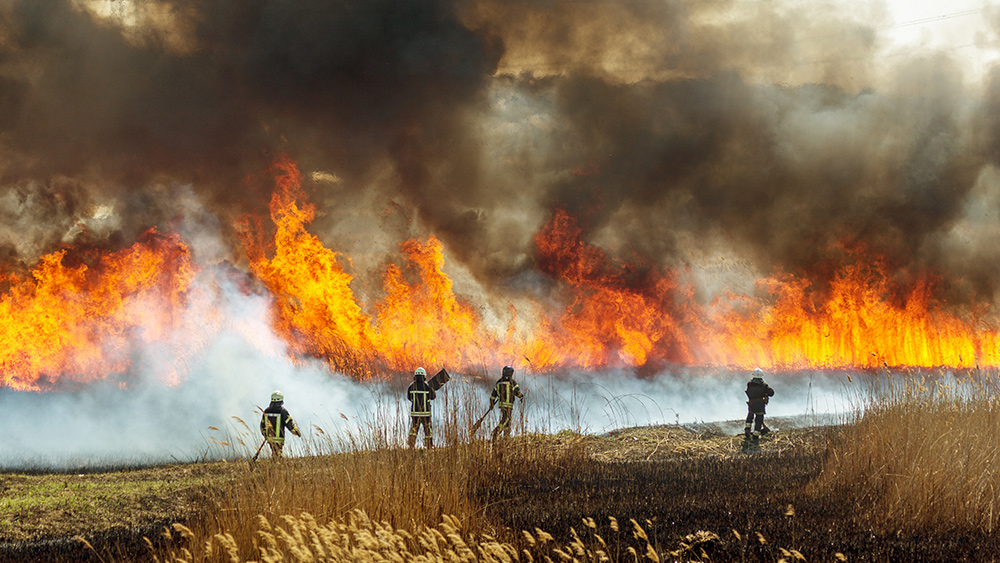
A region in flames: Patagonia battles raging WILDFIRES
By Willow Tohi // Share
How to survive civil unrest: Essential strategies for staying safe
By Evangelyn Rodriguez // Share

By Finn Heartley // Share

Strategic survival: Defending your shelter in a collapse scenario
By Evangelyn Rodriguez // Share


By Finn Heartley // Share

Iran Foreign Minister Says Tehran "Fully Prepared" to Resume War, Cites Lack of Trust in Trump
By garrisonvance // Share
CBP Axes Biden-Era Rule Permitting Private Donations for Detained Illegals
By douglasharrington // Share

OpenAI shelves GPT-6.1 Astra after internal tests reveal deception, safety failures
By isabelle // Share

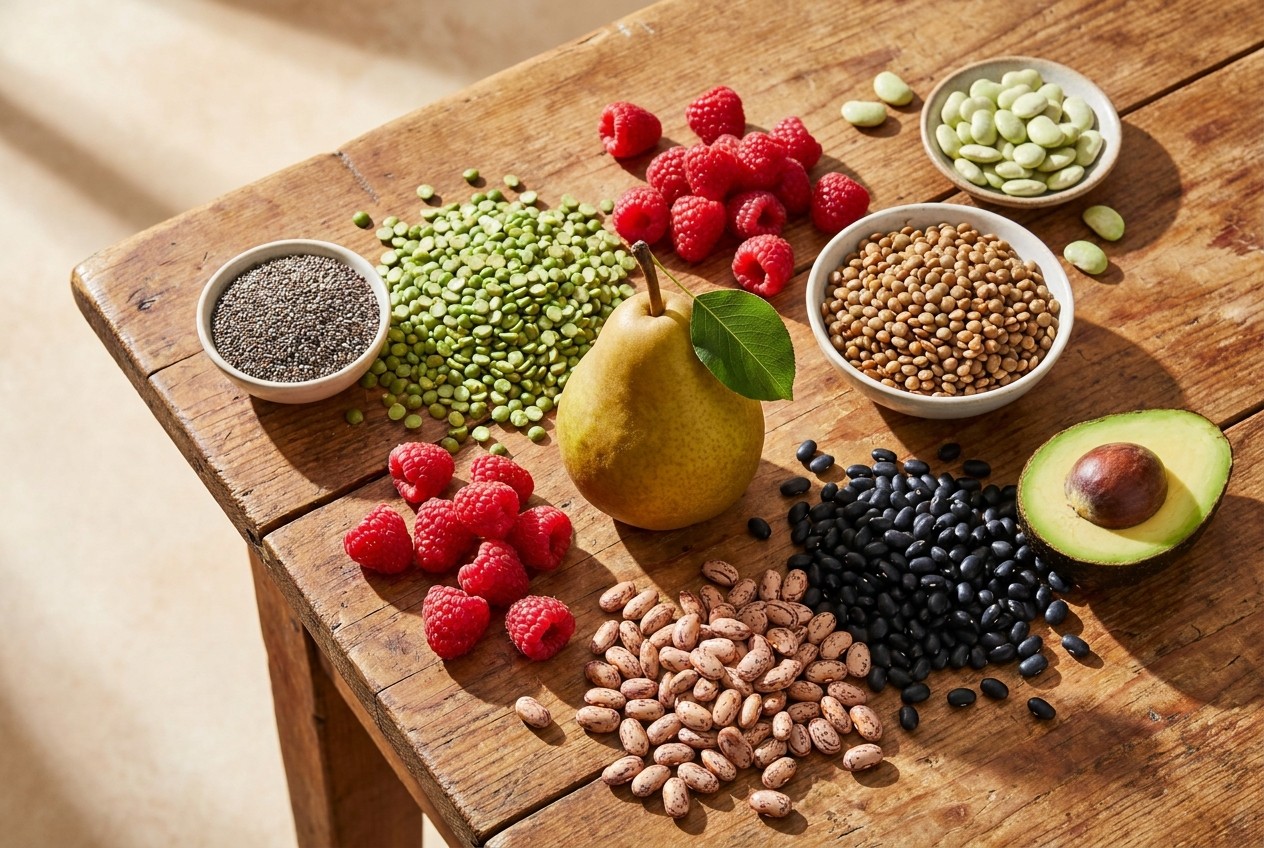
USDA Nutrition Data: Foods With as Much or More Fiber as a Pear
By cocosomers // Share

By sterlingashworth // Share