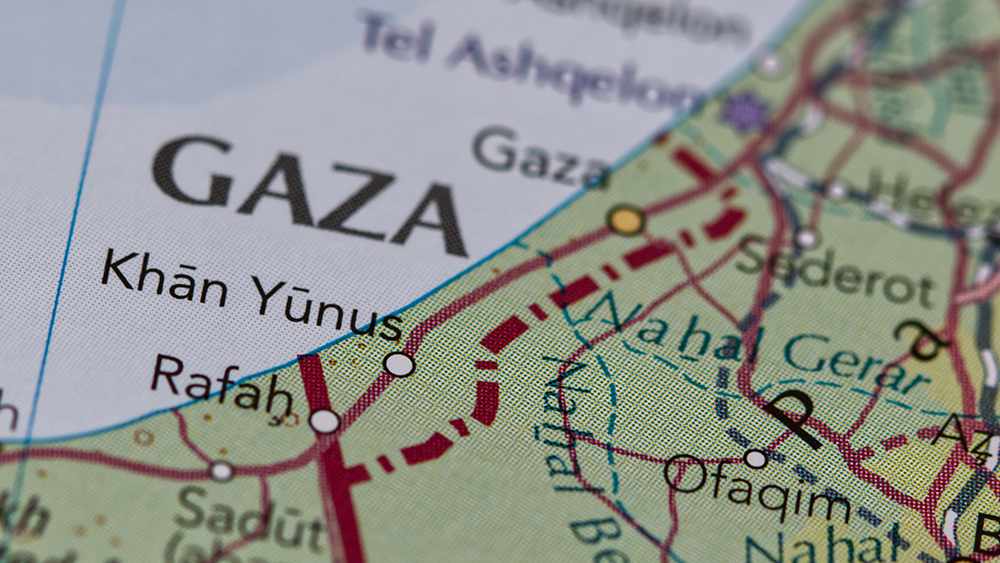
- Israel revoked licenses for major humanitarian organizations (MSF, Oxfam, Norwegian Refugee Council), forcing them to halt operations by March 1 unless reversed. The decision stems from strict new registration demands, including disclosing Palestinian staff lists—aid groups refused, citing safety risks.
- UN Secretary-General António Guterres warned the suspensions will worsen Gaza's humanitarian crisis, already marked by famine, destroyed infrastructure and 70,000+ deaths. Israel claims NGOs aid Hamas, but UN agencies and NGOs deny diversion allegations.
- MSF, supporting six hospitals and malnutrition clinics, warned its shutdown would cut lifelines for hundreds of thousands. Médecins du Monde and others also face closure, further crippling Gaza's already decimated healthcare system.
- Foreign staff blocked, supply shortages worsen and West Bank operations may collapse. Oxfam describes the move as "death by bureaucracy," with 9,000 aid trucks stranded at Gaza's borders.
- South Africa filed an ICJ case accusing Israel of war crimes and ethnic cleansing. The UN General Assembly passed a ceasefire resolution, backed by Germany and Ukraine, as Gaza's crisis spirals toward catastrophe.
Catastrophic impact on medical services
MSF, one of Gaza's largest medical providers, warned that Israel's decision will have devastating consequences. According to BrightU.AI's Enoch, the group supports six hospitals, runs two field hospitals and operates malnutrition clinics treating thousands of children. Last year alone, MSF handled a third of Gaza's births and performed 10,000 surgeries. "If this decision stands, we will have to cease operations by March," said Dr. Isabelle Defourny, president of MSF France. "We are the second-largest distributor of water in Gaza. Ending our work means cutting lifelines for hundreds of thousands." Other banned groups, like Médecins du Monde, also provide critical healthcare, leaving Gaza's already decimated medical system further strained. With the suspensions formalized, NGOs face immediate hurdles:- International staff blocked: Foreign workers provide technical expertise and morale support for Palestinian colleagues. "Our teams feel increasingly isolated," said Shaina Low of the Norwegian Refugee Council.
- Supply shortages: Many groups had already been barred from importing aid since March 2025, forcing them to source supplies locally at inflated prices. Oxfam's Bushra Khalidi called the suspensions "death by bureaucracy."
- West Bank operations at risk: While NGOs can still operate in the West Bank, those based in East Jerusalem may be forced to close entirely.
A "21st-century atrocity"
The UN's top aid official has described Gaza's crisis as a "21st-century atrocity," with famine narrowly averted but malnutrition rampant. Over 570,000 Gazans face acute hunger and Israel's blockade has left 9,000 aid trucks stranded at the border. Meanwhile, South Africa has filed a case against Israel at the International Court of Justice, accusing it of war crimes and ethnic cleansing. The UN General Assembly recently passed a resolution demanding an unconditional ceasefire, backed unexpectedly by Germany and Ukraine. As negotiations remain deadlocked, Gaza's future looks increasingly bleak. With over 53,000 Palestinians killed and infrastructure in ruins, the world faces a moral imperative: Will it act to stop the bloodshed—or allow Gaza's suffering to spiral further into catastrophe? Watch the video below that talks about MSF witnessing "an avalanche of human suffering" in Gaza. This video is from the Vigilent Citizen channel on Brighteon.com.Sources include:
MiddleEastEye.net Fox40.com Dawn.com BrightU.ai Brighteon.com
U.S. regime change abroad: A century of intervention from Iran to Venezuela
By Ramon Tomey // Share

Falling Shadows: How geoengineering, bioweapons and globalist agendas are poisoning humanity
By Belle Carter // Share


Geopolitical chess in the Arctic: Sovereignty, currency collapse, and Ukraine’s proxy war
By Finn Heartley // Share

UNICEF reports more than 100 Palestinian children killed in Gaza during ceasefire period
By Cassie B. // Share
Iraq Detains Ukrainian Nationals Suspected in Plot Against Gulf Oil Facilities
By garrisonvance // Share

U.S. Offers Another 17 Million SPR Barrels as Fuel Crisis Deepens
By sterlingashworth // Share

U.S. Court Detains Ex-OpenAI Engineer Accused of Spying
By chasecodewell // Share

Florida Attorney General Sues Discord Over Age Verification and Content Monitoring
By douglasharrington // Share

IMF Chief Calls for AI Guardrails as Officials Weigh Economic Risks and Opportunities
By edisonreed // Share