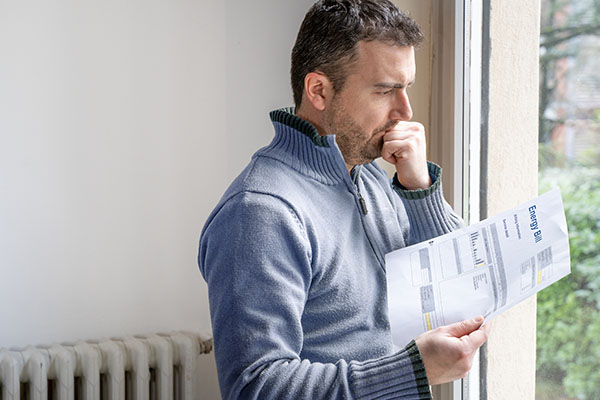
- Residents of Harford County, Maryland, face financial instability due to unaffordable energy costs, with examples like Jenny paying $400 for a modest home and Teresa Stepp hit with a $1,200 bill amid medical debt.
- Rising energy consumption (11% more electricity, 13% more gas) stems from colder weather, higher distribution rates, supply chain costs, state-mandated fees and Maryland's reliance on 40% imported energy.
- Maryland's limited assistance—like Stepp's $40 rebate—fails to offset soaring expenses, while BGE's approved rate hikes add further financial strain through 2027.
- Families are forced to choose between heat, food and essentials, with Stepp warning that lifelong Maryland residents may be priced out of their homes.
- Residents demand immediate policy changes, as temporary aid programs fall short and fear the erosion of communities without systemic intervention.
Policy shortfalls leave residents feeling abandoned
Maryland lawmakers approved limited relief last year, but residents say it's woefully inadequate. Stepp received a $40 rebate, which barely dented her mounting expenses. "My husband had a stroke last year. We're still bailing out of that. The food bills have tripled. The cost of my car registration has tripled," she said. Further compounding the strain, BGE implemented new rate hikes—adding $1.07 per month for electricity and $2.65 for gas—with another 72-cent (electric) and $1.95 (gas) monthly increase approved by the Maryland Public Service Commission, lasting through 2027. Stepp's message to policymakers is stark: "You are forcing people who have been native to Maryland... to leave. You're saying we can no longer afford to live here. I can't." BGE acknowledges the hardship, stating it must balance affordability with reliable service while directing customers to payment assistance programs. But for families like Jenny's and Stepp's, temporary aid isn't enough. "Please make changes, the governor, BGE, whoever, please change this immediately, because it's affecting all of us," Jenny pleaded. "It's not okay." Maryland's energy crisis is more than a policy debate—it's a daily struggle for survival. Without meaningful intervention, residents fear they'll be priced out of their homes, leaving behind communities they've supported for generations. As winter deepens, the question remains: Will leaders act before it's too late? Watch the video below that talks about reducing electricity bills using solar power. This video is from the Over&Over channel on Brighteon.com.Sources include:
ZeroHedge.com FoxBaltimore.com BrightU.ai Brighteon.com
University of Arizona study explores reprocessing historic mine tailings for critical minerals
By Laura Harris // Share


Geopolitical chess in the Arctic: Sovereignty, currency collapse, and Ukraine’s proxy war
By Finn Heartley // Share
Russia asserts full ownership of Venezuelan oil assets amid rising geopolitical tensions
By Belle Carter // Share

92% of employed Americans cut spending as living costs soar
By Cassie B. // Share

The Great Unshackling: The ultimate battle for financial freedom
By Ramon Tomey // Share
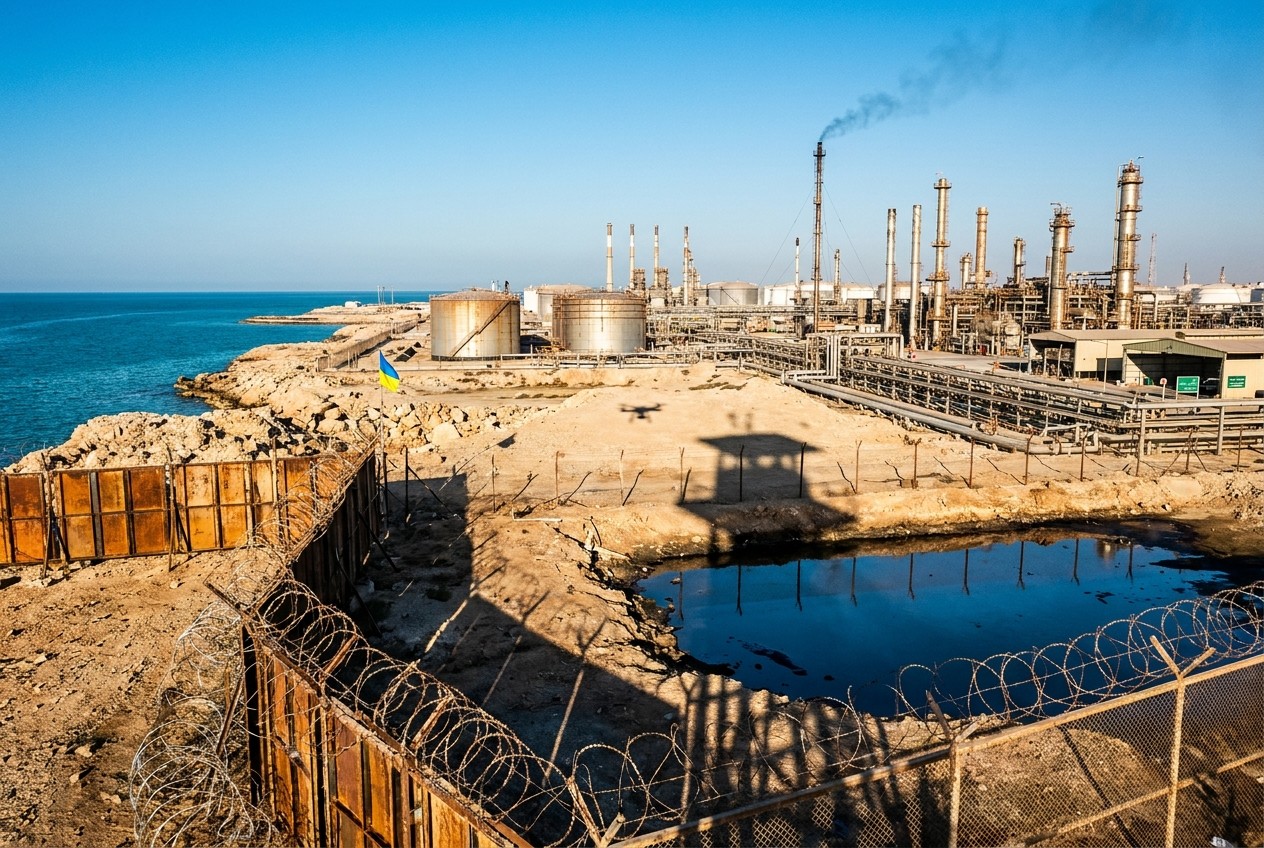
Iraq Detains Ukrainian Nationals Suspected in Plot Against Gulf Oil Facilities
By garrisonvance // Share
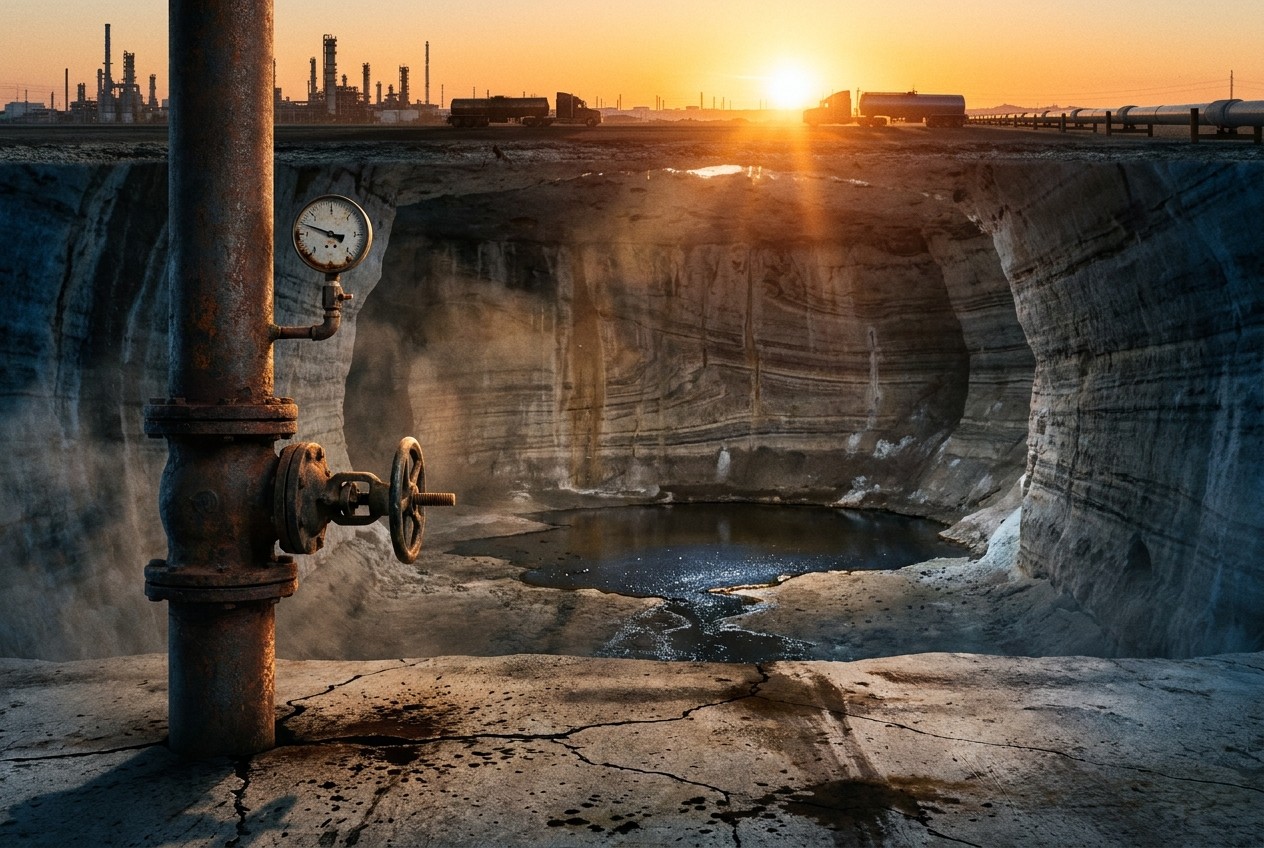
U.S. Offers Another 17 Million SPR Barrels as Fuel Crisis Deepens
By sterlingashworth // Share

U.S. Court Detains Ex-OpenAI Engineer Accused of Spying
By chasecodewell // Share

Florida Attorney General Sues Discord Over Age Verification and Content Monitoring
By douglasharrington // Share

IMF Chief Calls for AI Guardrails as Officials Weigh Economic Risks and Opportunities
By edisonreed // Share