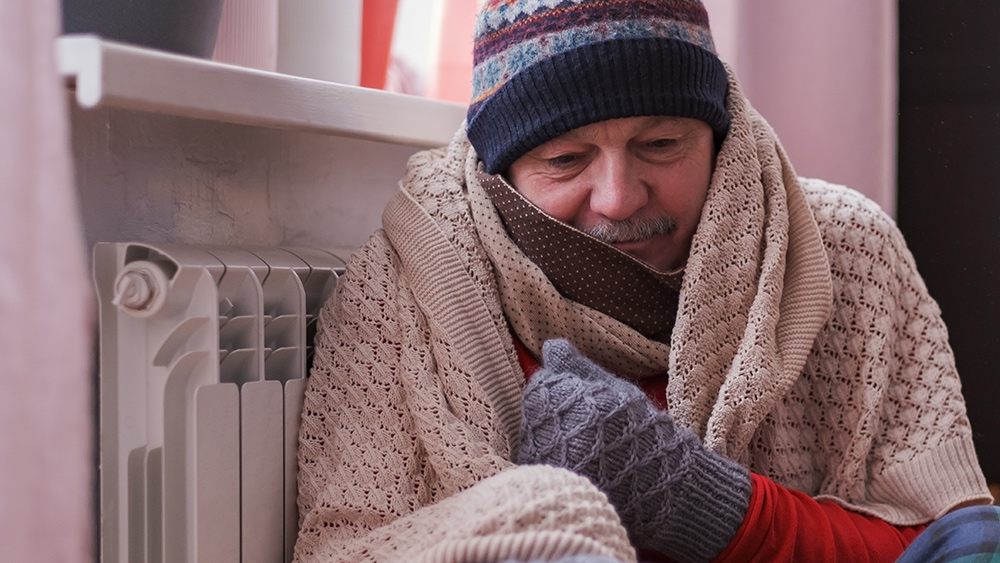
- When preparing for a winter power outage, secure a backup heat source that doesn't need electricity, such as a wood-burning stove, a safe indoor propane heater, or a kerosene heater. Always have the necessary fuel and ensure proper ventilation with a carbon monoxide alarm.
- Dress in warm, layered clothing indoors to insulate your body, focusing on covering wrists, ankles and your neck with long sleeves, socks and a scarf.
- Conserve heat in your home by insulating windows with film or thermal curtains, hanging blankets on cold exterior walls and using rugs on cold floors.
- Use personal warming techniques like blankets, hot water bottles or heated rice bags. You can also share body heat with family. Simple activities and hot drinks can also raise your core temperature.
- Prepare in advance by storing essentials like flashlights, batteries, extra blankets and warm clothing where everyone can find them, turning worry into practical resilience.
Prioritize a backup heat source
The cornerstone of winter preparedness is a backup heat source. Relying on a single method is a gamble; as the old adage goes, "Two is one, one is none." Whether your primary heat fails or the grid goes down, having an alternative is vital. For those with a fireplace or woodstove, you have a classic and effective solution at hand. Ensure you have a healthy supply of dry, seasoned firewood kept out of the elements. For others, modern propane heaters, like portable heaters, offer a powerful and safe option for indoor use in most areas, capable of warming a small room efficiently. Just remember to keep a battery-operated carbon monoxide alarm nearby and stock up on fuel. As explained by the Enoch AI engine at BrightU.AI, kerosene or oil heaters are another robust choice, throwing out significant warmth that can heat larger spaces. Some natural gas fireplaces will also continue to provide radiant heat without electricity, though their fans may not work. For pellet stove owners, a few high-efficiency models come with built-in battery backup systems. The key is to choose a method that fits your living situation and to understand its operation before you need it.Tips for staying warm with less heat
However, staying warm isn't solely about generating more heat; it's also about intelligently conserving the heat you have and maximizing your body's own warmth. This is crucial not only during outages but also when facing high heating bills. Your first line of defense is what you wear. Think like you’re insulating a house: your body. Start with a base layer of thermal long underwear. Wear shirts with long sleeves and long socks to cover your wrists and ankles since these areas are where you lose a surprising amount of heat. Add a lightweight scarf to prevent warmth from escaping at your neck, and don fingerless gloves to keep your hands functional yet cozy. Indoors, swap socks for slippers with solid soles to create a barrier against cold floors. Next, look to your environment. Simple actions can dramatically reduce heat loss. Hang heavy blankets or quilts on exterior walls to add insulation, much like the tapestries in old castles. For windows, apply insulating shrink film and use thermal curtains, layered over draft blockers like rolled-up fabric at the sill. If you have hard, cold floors, area rugs add a necessary layer of protection between you and the chill. When you’re settled in, get creative with personal warmth. Pile on blankets while reading or watching a movie, and share body heat by cuddling up with family. A carefully wrapped hot water bottle or a homemade rice bag, heated in a microwave or warm oven and tucked under a blanket, can provide lasting, localized warmth. Even burning a few candles in a small space can raise the temperature a couple of welcome degrees. Finally, remember internal warmth. Get up and move, clean, dance, or play to boost your core temperature. And never underestimate the power of a hot beverage. A mug of tea, cocoa, or coffee warms you from the inside and provides a comforting heat for your hands. You don't have to be a hardcore "prepper" to see the common sense in being ready. With forecasts predicting another severe winter, taking steps now is a practical investment in your family’s safety and comfort. By securing a backup heat source and adopting these simple heat-conserving habits, you can face a winter power outage not with worry, but with preparedness and resilience. Watch the video below for 10 winter survival tips everyone must know. This video is from the Daily Videos channel on Brighteon.com. Sources include: TheOrganicPrepper.com SurvivalFrog.com Apps.Oregon.gov USAToday.com BrightU.ai Brighteon.com
U.S. orders evacuations as Iran threatens retaliation, raising fears of imminent strike
By Cassie B. // Share
Verizon outage chaos: Over a million reports filed as service fails nationwide
By Cassie B. // Share

The Dopamine Revolution: A natural blueprint for energy, mental clarity and sovereignty
By Belle Carter // Share


University of Arizona study explores reprocessing historic mine tailings for critical minerals
By Laura Harris // Share

Building a resilient future: How to find or form a prepper community
By Evangelyn Rodriguez // Share

Iraq Detains Ukrainian Nationals Suspected in Plot Against Gulf Oil Facilities
By garrisonvance // Share

U.S. Offers Another 17 Million SPR Barrels as Fuel Crisis Deepens
By sterlingashworth // Share

U.S. Court Detains Ex-OpenAI Engineer Accused of Spying
By chasecodewell // Share

Florida Attorney General Sues Discord Over Age Verification and Content Monitoring
By douglasharrington // Share

IMF Chief Calls for AI Guardrails as Officials Weigh Economic Risks and Opportunities
By edisonreed // Share
