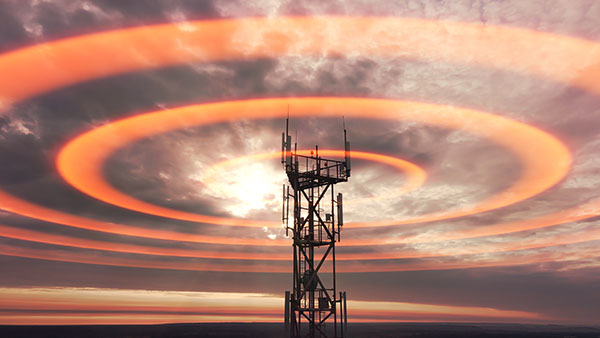
- Verizon suffered a major nationwide service outage affecting hundreds of thousands.
- Customers were left unable to call, text, or use data for hours.
- The outage prompted emergency advisories in major cities like New York.
- Verizon apologized and will issue credits but did not reveal the cause.
- This follows a similar 2024 outage and raises concerns over cost-cutting versus reliability.
Cost-cutting under a new CEO
The outage arrives during a period of significant upheaval within Verizon. The company’s new chief executive, Daniel Schulman, took the helm in October, tasked with reversing customer losses. His strategy has involved aggressive cost-cutting, including the largest layoffs in Verizon’s history of approximately 13,000 employees, which began in November. While the company works to "aggressively reduce the entire cost base," this week’s collapse raises urgent questions about the trade-off between corporate austerity and network reliability. Technical experts note that such widespread failures can stem from various causes. Jack Burbank, a senior member of the technical organization IEEE, said over email that possibilities include "faulty configuration changes" or "software updates gone wrong." The scale of this outage, however, points to a systemic vulnerability. The event underscores a dangerous dependency on a handful of monolithic service providers. When one titan stumbles, daily life grinds to a halt. People cannot work, families cannot connect, and, most alarmingly, access to emergency services is jeopardized. This is not merely an inconvenience; it is a demonstration of how quickly modern society can be plunged into chaos by a single point of failure. Ultimately, Wednesday’s network collapse is a wake-up call. It reveals what happens when institutions prized for stability are rocked by internal restructuring and perhaps, a loss of focus on their fundamental mission: providing reliable service. As we integrate technology ever deeper into the fabric of our lives, the demand for resilience must outweigh the pursuit of pared-down profits. A connected society cannot afford to be held hostage by the vulnerabilities of its own infrastructure. Sources for this article include: WSJ.com CNN.com Reuters.com
U.S. sanctions Gaza charities over alleged Hamas ties
By Willow Tohi // Share
Trump administration pursues regime change in Cuba, citing Venezuelan success as blueprint
By Belle Carter // Share

Suzanna’s Kitchen recalls almost 14,000 pounds of grilled chicken over LISTERIA risk
By Laura Harris // Share

The hidden TOXINS in your breakfast bowl: How common grains may be putting your health at risk
By Ramon Tomey // Share
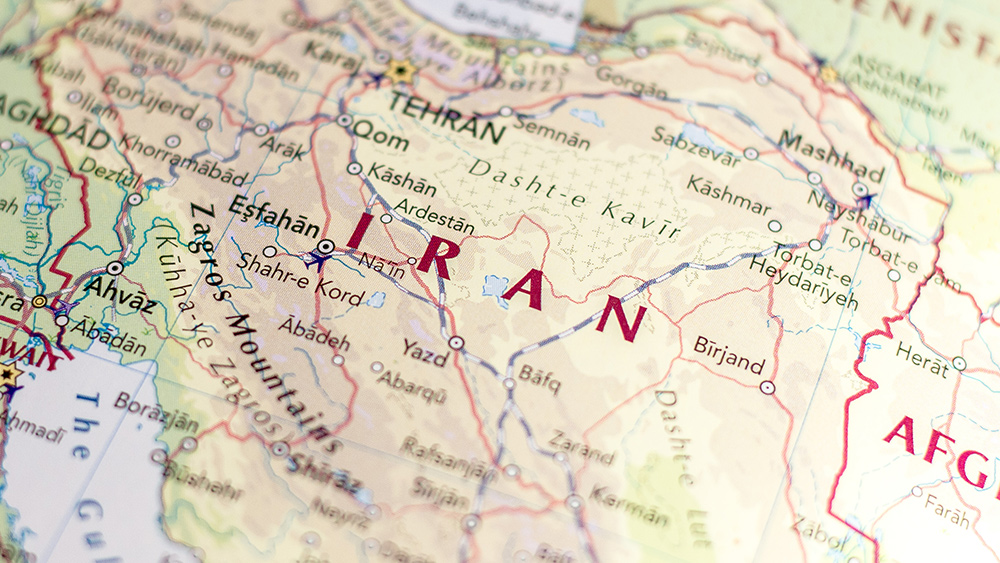
The enduring shadow of 1953: How oil and intervention shaped modern Iran
By Willow Tohi // Share
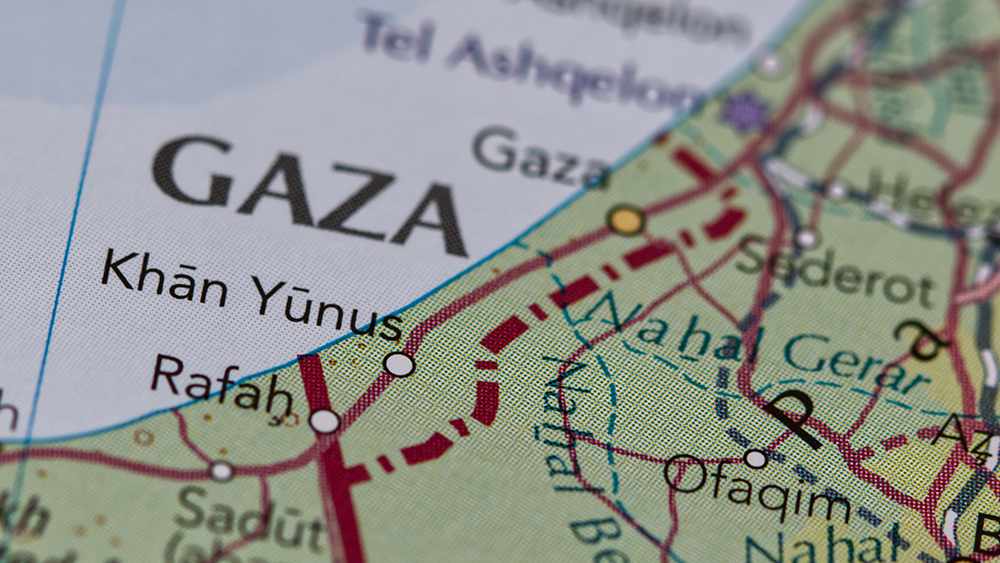
Gaza crisis deepens as ceasefire fails to stem violence and humanitarian catastrophe
By Patrick Lewis // Share

Iraq Detains Ukrainian Nationals Suspected in Plot Against Gulf Oil Facilities
By garrisonvance // Share

U.S. Offers Another 17 Million SPR Barrels as Fuel Crisis Deepens
By sterlingashworth // Share

U.S. Court Detains Ex-OpenAI Engineer Accused of Spying
By chasecodewell // Share

Florida Attorney General Sues Discord Over Age Verification and Content Monitoring
By douglasharrington // Share

IMF Chief Calls for AI Guardrails as Officials Weigh Economic Risks and Opportunities
By edisonreed // Share
