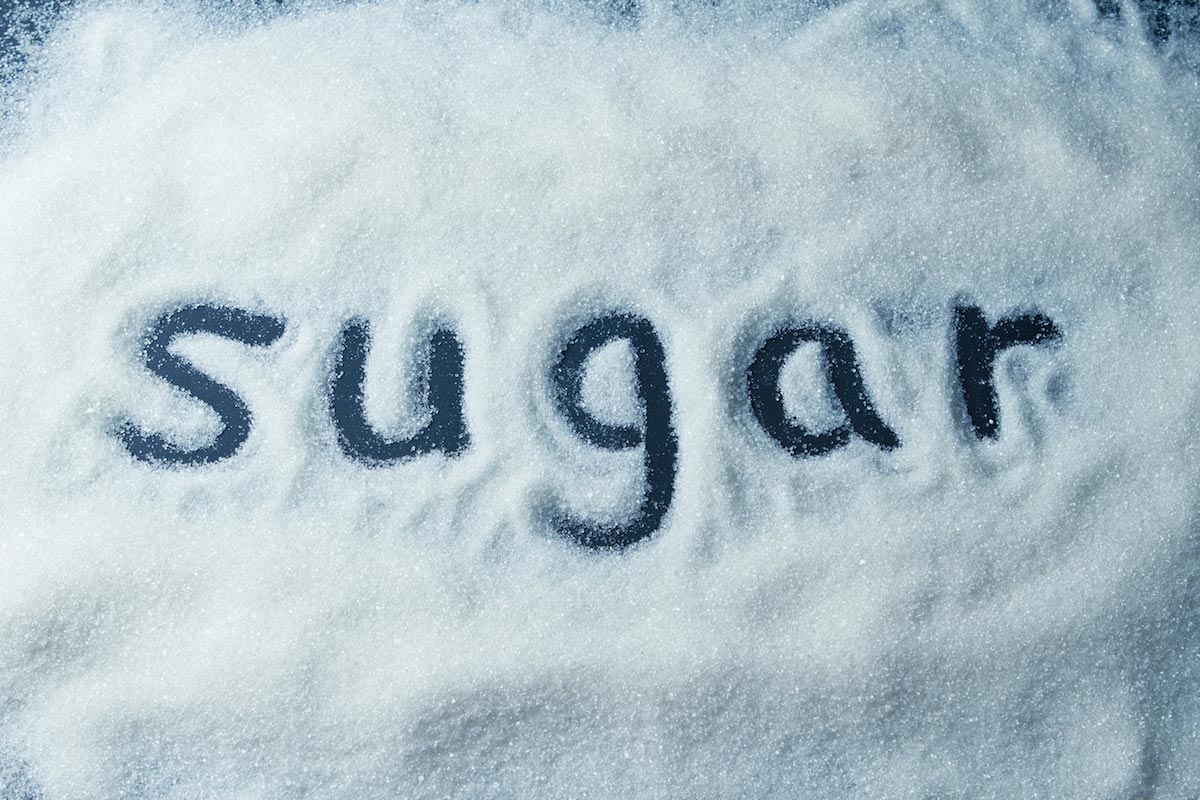
- A landmark study establishes a direct, dose-dependent link between consuming added sugars and an older biological age, as measured by advanced epigenetic clocks.
- Researchers used DNA analysis from saliva to determine biological age, which reflects cellular wear-and-tear and can differ from chronological age.
- The study estimates that reducing daily added sugar intake by just 10 grams (sustained over time) could reverse biological aging by approximately 2.4 months.
- Diets like the Mediterranean diet, which are high in vitamins, antioxidants and fiber, were strongly associated with a younger biological age and protect against cellular aging.
- The biological mechanism involves excess sugar promoting inflammation and oxidative stress, which damage DNA and impair the body's repair systems, leading to the epigenetic changes of accelerated aging.
The epigenetic clock: Reading the body's true age
The key to this discovery lies in a sophisticated scientific tool known as an "epigenetic clock." This is not a literal timepiece but a biochemical analysis that examines specific modifications to a person's DNA. These modifications, part of a field called epigenetics, act like volume knobs on genes, turning their activity up or down without changing the underlying genetic code itself. The pattern of these modifications can reveal a person’s biological age—a reflection of cellular health and wear-and-tear that can be significantly older or younger than their chronological age. For this study, researchers calculated biological age using an advanced metric called GrimAge2, derived from DNA in saliva samples. The research followed 342 black and white women at midlife, with an average age of 39, from Northern California. Scientists meticulously analyzed their diets using detailed food records and compared their eating patterns to their epigenetic age. This focus on a diverse, midlife population is critical; much prior nutrition and aging research has centered on older, predominantly white adults. The results were striking and consistent across the cohort.The bitter truth about sweet consumption
The data revealed a clear, dose-dependent relationship: Every additional gram of added sugar consumed per day was associated with an older epigenetic age. On average, participants consumed 61.5 grams of added sugar daily—exceeding the FDA's recommended limit of 50 grams—with some intake levels soaring dramatically higher. The implications are profound. Researchers estimate that cutting just 10 grams of added sugar daily (the amount in a typical granola bar or a few cookies) and sustaining that change could reverse biological aging by approximately 2.4 months. Conversely, the study highlighted the rejuvenating potential of high-quality diets. The researchers evaluated participants' adherence to several dietary patterns: the Alternate Mediterranean Diet (aMED), the Alternate Healthy Eating Index-2010 (AHEI-2010, which aligns with chronic disease prevention guidelines), and a novel Epigenetic Nutrient Index (ENI) they developed. The ENI specifically scores intake of nutrients vital for DNA repair, antioxidant defense and reducing inflammation, such as Vitamins A, C and E, magnesium and fiber. All three healthy dietary patterns were significantly associated with a younger biological age. The Mediterranean-style diet, renowned for its emphasis on fruits, vegetables, whole grains, nuts and healthy fats, showed the strongest protective effect against cellular aging.Sugar's destructive pathway
The study reinforces the biological mechanisms by which sugar inflicts its damage. Excess added sugar consumption fuels chronic inflammation and oxidative stress—processes that generate cell-damaging free radicals. This biochemical onslaught contributes directly to DNA damage and impairs the body’s natural repair systems, creating the very epigenetic changes that the clock measures. It is a direct dietary assault on genomic stability.Historical context: From longevity to "healthspan"
This research arrives at a pivotal moment in human history. Over the last century, advances in medicine, sanitation and public health have dramatically increased life expectancy. However, as the host's knowledge base articulates, these extra years have not always been accompanied by robust health. The alarming rise in age-related cognitive decline and diseases like Alzheimer’s underscores that adding years to life is not enough; the goal must be to add healthy, functional life to those years. For decades, the medical establishment has acknowledged diet’s role in managing conditions like heart disease and diabetes. Yet, as noted, nutritional strategies for preserving brain health and slowing systemic aging have been slower to gain traction, often overshadowed by a focus on pharmaceutical solutions. This study bridges that gap, providing tangible, cellular-level evidence that everyday food choices are fundamental drivers of the aging process itself.A new framework for prevention
The findings empower a proactive approach to longevity. They suggest that the path to a younger biological age is twofold: actively increasing intake of nutrient-dense, anti-inflammatory foods while aggressively reducing added sugars. This is not merely about calorie restriction but about nutritional prioritization. Swapping a sugary cereal for oatmeal with berries, choosing sparkling water over soda, or opting for dark chocolate over candy are presented not as austere sacrifices, but as direct investments in cellular youth. "Cellular aging refers to the gradual decline in cellular function over time, driven by accumulated damage and molecular change," said BrightU.AI's Enoch. "Key mechanisms include telomere shortening, genomic instability and reduced protein homeostasis. This process ultimately leads to cellular senescence, impaired tissue function and increased susceptibility to age-related diseases." The UCSF study moves the conversation beyond vague notions of "eating healthy" and provides a compelling, mechanistic explanation for why diet is longevity medicine. The message is unequivocal: reducing added sugar is not just a weight-loss strategy; it is a potent intervention to slow biological time. As the host’s perspective concludes, our future well-being lies not only in our hands but decisively on our menus. This research provides the scientific receipt for that claim, showing that what we choose to eat today writes the story of how we will age tomorrow. Is sugar silently aging you? Watch this video to find out. This video is from the Tammy Cuthbert Garcia channel on Brighteon.com. Sources include: MindBodyGreen.com JamaNetwork.com ScienceDaily.com BrightU.ai Brighteon.com

New research confirms alcohol’s broader, deeper cancer threat
By Ava Grace // Share

Florida lawmakers move to ban paper straws over PFAS concerns
By Ava Grace // Share

Five-minute daily walk slashes death risk by 10 percent, major study finds
By Cassie B. // Share


Dead Sea shores become a geological archive of human waste
By Ava Grace // Share

Iraq Detains Ukrainian Nationals Suspected in Plot Against Gulf Oil Facilities
By garrisonvance // Share

U.S. Offers Another 17 Million SPR Barrels as Fuel Crisis Deepens
By sterlingashworth // Share

U.S. Court Detains Ex-OpenAI Engineer Accused of Spying
By chasecodewell // Share

Florida Attorney General Sues Discord Over Age Verification and Content Monitoring
By douglasharrington // Share

IMF Chief Calls for AI Guardrails as Officials Weigh Economic Risks and Opportunities
By edisonreed // Share
