- The grid prioritizes efficiency over resilience, making it vulnerable to cascading failures from cyberattacks, EMPs or sabotage – which would collapse water, food, healthcare and communication systems.
- Attacks like the 2013 Metcalf sniper incident (physical sabotage) and Russian cyberattacks on Ukraine's grid (2015–2016) prove infrastructure is easily crippled – yet governments and corporations fail to act.
- A Carrington-level solar flare or nuclear EMP could fry transformers, causing blackouts lasting months. Experts warn 90% of the U.S. population could die within nine months of a prolonged grid collapse.
- Bureaucracy, corporate greed and political inaction block solutions. Hardening the grid is costly and lacks short-term profit incentives, leaving critical infrastructure exposed.
- Decentralized solutions include reducing reliance on centralized systems through microgrids/solar/wind; restoring connectivity during outrages through satellite communications (e.g. Starlink); and shielding electronics from EMPs using Faraday cages and portable solar generators. Ultimately, self-reliance is the only true defense against inevitable grid failures.
Why energy independence is the only way forward
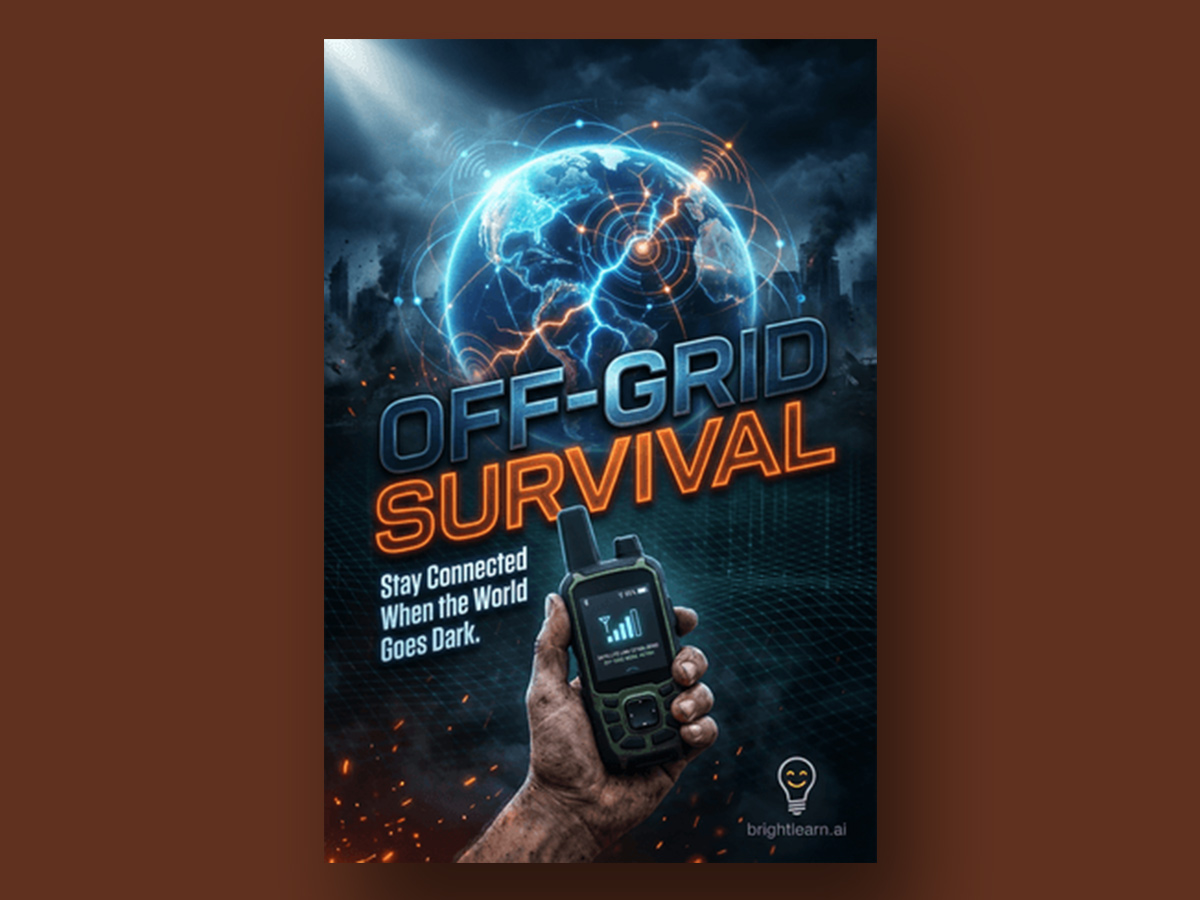
The failure to secure the grid is not due to a lack of knowledge or technology, but rather a failure of leadership and accountability. Governments and corporations have long been aware of these risks – yet bureaucratic inertia, corporate greed and political maneuvering have stalled progress. The cost of hardening the grid is substantial, and the benefits – while lifesaving – are not immediately visible, making them easy targets for budget cuts. The solution lies in decentralization. The current model of power distribution is inherently flawed, relying on single points of failure that can cascade into widespread outages. Transitioning to decentralized energy systems such as solar panels, wind turbines and microgrids can provide resilience against systemic failures. Communities and individuals must take responsibility for their own energy independence, reducing reliance on fragile centralized systems. Satellite internet and communication tools like Starlink offer a lifeline when terrestrial networks fail. During the 2022 Tonga volcanic eruption, which severed underwater cables, satellite connections restored vital communications within hours. Similarly, portable solar generators and Faraday cages can protect electronics from EMPs, ensuring access to power and information even in the darkest times. The time to act is now. The threats to the grid are not hypothetical; they are inevitable. By investing in decentralized solutions, advocating for infrastructure resilience and preparing for grid-down scenarios, individuals can safeguard their families and communities. The grid's vulnerability is a call to arms – a reminder that true security comes from self-reliance, not dependence on failing systems. In a world where centralized control is increasingly weaponized against personal liberty, taking control of your power and communication needs is an act of defiance. The grid will fail, but those who prepare will not. Grab a copy of "Off-Grid Survival: Stay Connected When the World Goes Dark" via this link. Discover this book and other good reads at Books.BrightLearn.AI, with thousands of books and counting – all available to freely download, read and share. The decentralized BrightLearn.AI engine also lets readers create their own books, empowering them to share insights and truths with the world. Watch this interview between the Health Ranger Mike Adams and Tina Blanco of the Satellite Phone Store about preparing for blackouts with backups communications and power on the "Health Ranger Report." This video is from the Health Ranger Report channel on Brighteon.com. Sources include: BrightLearn.ai Books.BrightLearn.ai Brighteon.com
The Great Tax Deception: Exposing illegal extortion by the IRS
By Ramon Tomey // Share

A prepper’s guide to LONG-TERM FOOD STORAGE: How to safeguard your pantry for emergencies
By Evangelyn Rodriguez // Share

New research confirms alcohol’s broader, deeper cancer threat
By Ava Grace // Share
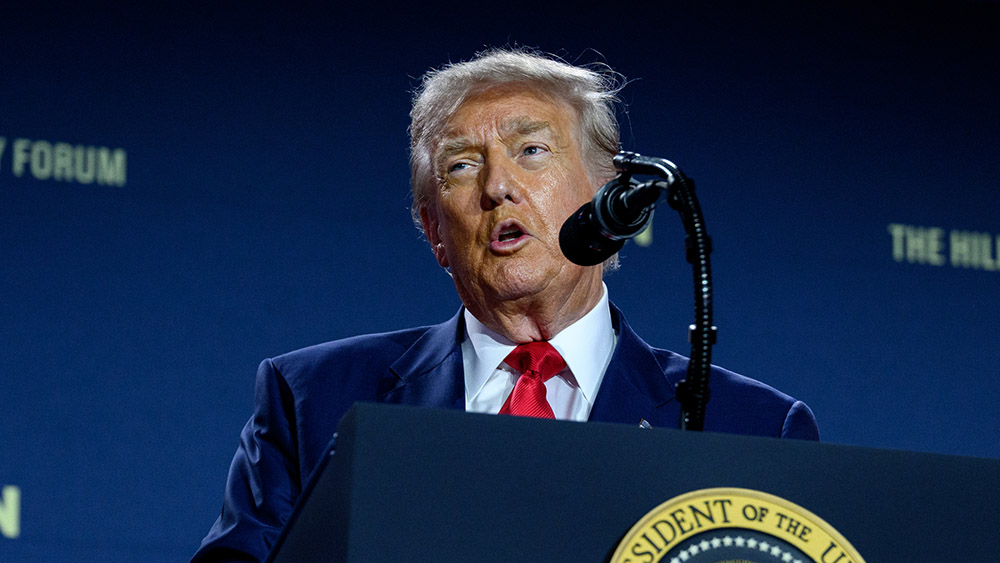
Trump announces plan to end federal payments to states with sanctuary cities
By Laura Harris // Share

Florida lawmakers move to ban paper straws over PFAS concerns
By Ava Grace // Share
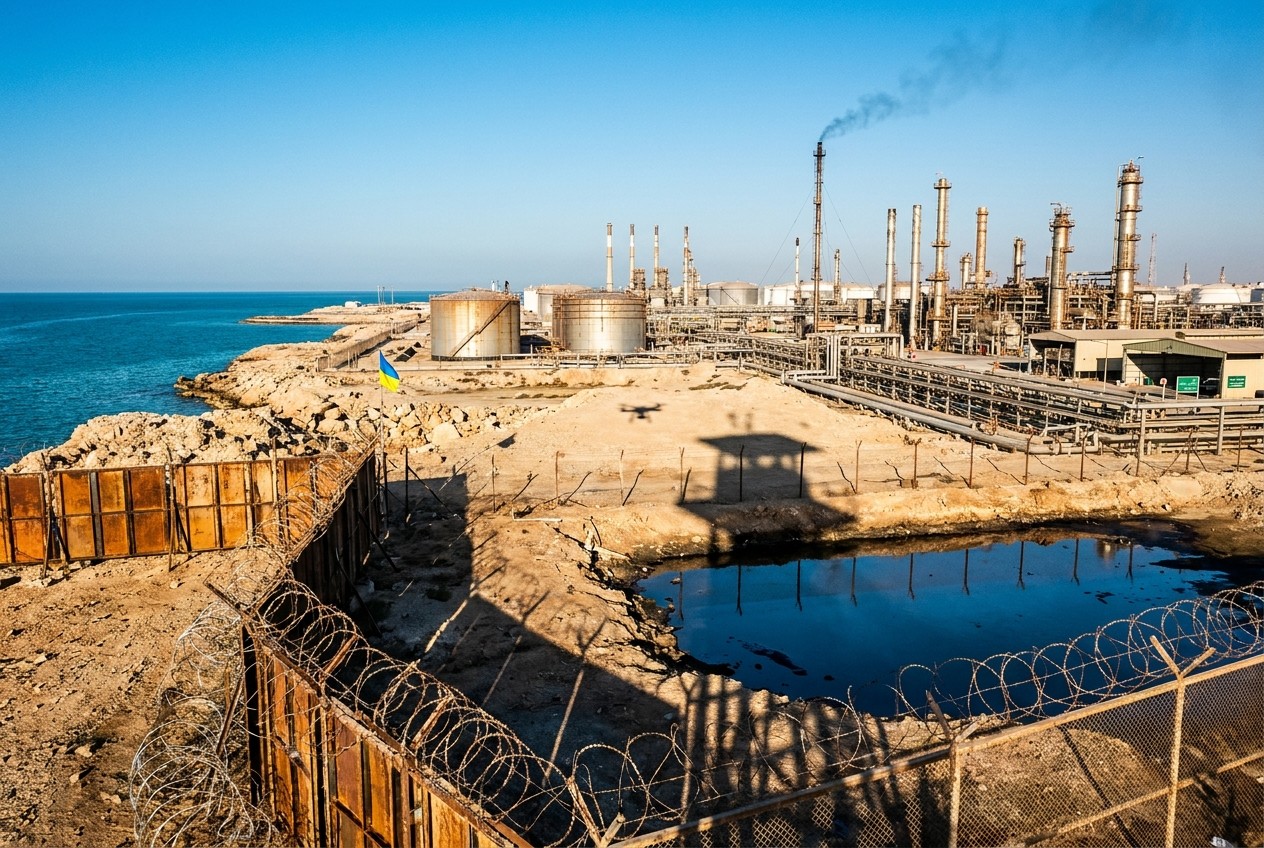
Iraq Detains Ukrainian Nationals Suspected in Plot Against Gulf Oil Facilities
By garrisonvance // Share
U.S. Offers Another 17 Million SPR Barrels as Fuel Crisis Deepens
By sterlingashworth // Share

U.S. Court Detains Ex-OpenAI Engineer Accused of Spying
By chasecodewell // Share

Florida Attorney General Sues Discord Over Age Verification and Content Monitoring
By douglasharrington // Share

IMF Chief Calls for AI Guardrails as Officials Weigh Economic Risks and Opportunities
By edisonreed // Share