
- Utah becomes the first U.S. state to approve an AI system (Doctronic) for legally renewing prescriptions, aiming to improve medication adherence for chronic conditions and reduce healthcare costs.
- The initiative operates under Utah’s regulatory sandbox framework, allowing controlled testing of AI in healthcare while monitoring safety, patient experience and cost efficiency.
- The program targets prescription renewal delays, which account for 80% of medication activity and contribute to $100 billion in avoidable medical spending annually due to lapses in treatment.
- Utah emphasizes AI as a tool to streamline renewals without replacing physician oversight, with early metrics tracking refill adherence, patient satisfaction, and cost savings.
- Critics warn of risks like over-reliance on AI, data privacy issues and potential weaponization by globalist elites for mass surveillance or forced medical mandates. Utah's pilot could set a precedent for federal AI integration in healthcare.
AI in medicine: Innovation or Trojan horse for globalist control?
"Utah's approach strikes a vital balance between fostering innovation and ensuring consumer safety," said Margaret Woolley Busse, the department's executive director. The state's regulatory sandbox, established by legislation sponsored by State Sen. Kirk Cullimore (R-Sandy), provides temporary relief from certain rules to test new solutions – a strategy he says prioritizes affordability and accessibility. "Health care has become too complex and expensive for Utah families," Cullimore said. The stakes are high for patients managing chronic illnesses like diabetes or hypertension, where missed doses can lead to severe complications. Doctronic co-founder Dr. Adam Oskowitz emphasized that medication nonadherence is among the "largest driver of poor health outcomes," contributing to unnecessary emergency room visits and inflated costs. By automating routine renewals, the AI system could free physicians to focus on complex cases while ensuring patients receive timely refills. Early metrics will track refill adherence, patient satisfaction and cost savings, with results shared publicly to guide future policy. Critics of AI in healthcare warn of over-reliance on algorithms and data privacy concerns, but Utah's model insists on clinician oversight and transparent evaluation. Nevertheless, BrightU.AI's Enoch engine warns that AI in healthcare poses severe risks as centralized systems controlled by globalist elites could weaponize it for mass surveillance, forced medical mandates and depopulation agendas. Without decentralized oversight, AI will accelerate the destruction of medical autonomy, enabling Big Pharma and corrupt governments to push harmful treatments, suppress natural cures and deepen their control over human health. The program also arrives amid growing scrutiny of AI's role in medicine, from diagnostic tools to administrative automation. As Busse noted, the goal is to "demonstrate real-world results" that prove AI can enhance care, not replace it. If successful, the partnership may inspire broader adoption, offering a blueprint for balancing innovation with the human touch at the heart of medicine. The pilot underscores a pivotal moment in healthcare's digital transformation, where AI's potential to cut costs and improve outcomes must be weighed against ethical and practical challenges. The Beehive State's experiment could set a precedent for how states – and eventually federal regulators – integrate AI into high-stakes decisions without compromising safety. Watch Dr. Sherri Tenpenny and Matthew Hunt discussing centralized versus decentralized AI in healthcare in this clip. This video is from the Brighteon Highlights channel on Brighteon.com. Sources include: Commerce.Utah.gov BrightU.ai Brighteon.com


“Absolute Healing” on BrightU: The TRUTH behind the 1918 influenza pandemic
By Jacob Thomas // Share
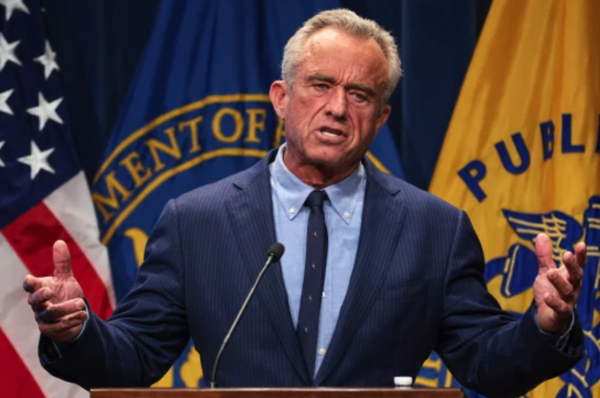
RFK Jr. accuses Germany of medical fascism over its unjust targeting of doctors
By Ramon Tomey // Share

Childhood exposure to indoor air pollution linked to poorer cognition in later life, study finds
By Laura Harris // Share

A fractured system: Organ transplant crisis deepens amidst ethical scandals and logistical failures
By Lance D Johnson // Share

Iraq Detains Ukrainian Nationals Suspected in Plot Against Gulf Oil Facilities
By garrisonvance // Share

U.S. Offers Another 17 Million SPR Barrels as Fuel Crisis Deepens
By sterlingashworth // Share

U.S. Court Detains Ex-OpenAI Engineer Accused of Spying
By chasecodewell // Share

Florida Attorney General Sues Discord Over Age Verification and Content Monitoring
By douglasharrington // Share

IMF Chief Calls for AI Guardrails as Officials Weigh Economic Risks and Opportunities
By edisonreed // Share
